L
O
A
D
I
N
G


Zoho, Odoo, ERPNext, Dynamics 365 and custom ERP, delivered by one accountable team.

A step-by-step method for UAE owners, finance heads and operations managers who need to pick one ERP platform and defend that choice to the board.
To choose ERP software in the UAE, map your order-to-cash, procure-to-pay and record-to-report processes first, then shortlist platforms, then select the implementation partner. Treat UAE VAT, Corporate Tax and the 2027 e-invoicing mandate as hard requirements, score every shortlisted platform against the same scripted demo, and compare five-year total cost of ownership rather than the first-year license quote.
Knowing how to choose ERP software in UAE is less about reading feature lists and more about proving that one platform can run your order-to-cash, procure-to-pay and record-to-report cycles with UAE VAT, corporate tax and the coming e-invoicing mandate built in. Most UAE companies that regret their ERP did not pick a bad product. They picked a product before they understood their own process, or they let the slickest demo decide.
This guide covers the software decision: which platform, which edition and which hosting model. Choosing the people who will implement it is a separate decision, covered in our guide on how to select an ERP vendor in the UAE. If you are new to the subject, read how ERP works first, because the method below assumes you know what a single ledger, a stock valuation method and a document flow are.
In practice, UAE businesses usually end up comparing four families: Zoho (Books, Inventory, CRM, or Zoho One), Odoo (Community or Enterprise), ERPNext on the Frappe framework, and Microsoft Dynamics 365 (Business Central for most SMEs, Finance and Supply Chain for larger groups). A custom ERP enters the picture when the core process is genuinely unusual. We implement all of these, so we have no reason to push one; the method below is the one we use when a client asks us to recommend by fit.
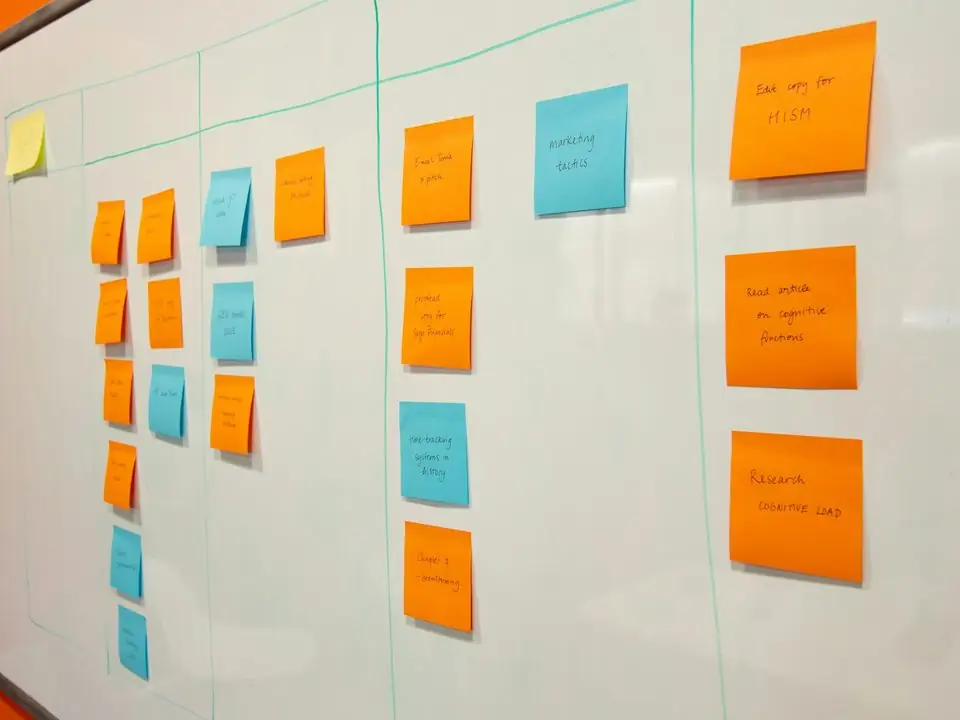
Each step produces a document you keep. By the end you have a defensible paper trail that explains why the chosen platform won.
Draw the as-is flow for sales, purchasing, inventory or projects, finance close and payroll. Note every spreadsheet, WhatsApp approval and re-keyed document. A trading company in Deira and a fit-out contractor in Al Quoz will produce very different maps, and that difference drives the platform choice.
Convert the map into must-have, should-have and nice-to-have requirements. Our ERP requirements checklist lists the UAE-specific lines most companies forget, such as designated zone VAT treatment, multi-currency landed cost and WPS salary files.
Write down user count today and in three years, number of legal entities (mainland, free zone, offshore), Arabic needs on documents, cloud versus on-premise preference, and the internal IT capacity you actually have. These constraints eliminate half the market before any demo.
Use the constraints to shortlist. A 15-user distributor with no IT staff rarely needs Dynamics 365 Finance; a 300-user manufacturing group with several entities will outgrow a light accounting app. Keep the list short so each demo gets proper attention.
Give every shortlisted platform the same script: create a customer with a TRN, raise a quotation in AED with a USD-priced item, deliver partially, invoice, receive payment, and show the VAT return boxes that the invoice affected. Unscripted demos show what the presenter is good at, not what you need.
Add licenses, hosting, implementation, integrations, training, support and internal staff time over five years. Our ERP total cost of ownership guide explains each cost driver so you can compare open-source and subscription models fairly.
Score each platform on fit, cost, scalability, local support and risk. Before signing, speak to at least one UAE company of similar size that runs the platform today, and ask what they would configure differently.
Use these as pass/fail gates during the demo and proposal stage. If a platform fails a gate, find out whether the gap is closed by configuration, an app or custom development, and what each option costs to maintain.
A starting point for your shortlist, not a final answer. Each platform can stretch beyond its sweet spot, but the effort and cost rise when it does.
| Company profile | Often a strong fit | Worth comparing | Watch-outs |
|---|---|---|---|
| 5-25 users, trading or services, no IT team | Zoho Books with Zoho Inventory and CRM, or Zoho One | Odoo (online or Odoo.sh) | Check depth of landed cost and multi-warehouse needs before committing |
| 20-100 users, distribution with warehouse and delivery | Odoo Enterprise | Dynamics 365 Business Central, ERPNext | Barcode, route and van-sales needs may require extra apps or configuration |
| Discrete or process manufacturing, cost-conscious | ERPNext or Odoo Manufacturing | Business Central with manufacturing | Confirm BOM versioning, routing and batch traceability in a scripted demo |
| Contracting, fit-out, MEP with BOQ and progress billing | Odoo or ERPNext with project and retention setup | Business Central with project extensions | Progress claims, retention and variation orders often need configuration work |
| Multi-entity group, 100+ users, Microsoft 365 shop | Dynamics 365 Business Central or Finance and Supply Chain | Odoo Enterprise multi-company | Implementation scope and partner capacity matter more than license choice |
| Unusual core process (e.g. specialist rental or regulated workflows) | Custom ERP or a low-code layer on a standard ledger | Zoho Creator, Frappe framework | Budget for long-term ownership of the custom code |
Fit depends on your requirements and edition. Compare platforms side by side in our Zoho vs Odoo comparison and other comparison pages.
Rushing selection to save a month often costs several months during implementation. These ranges are typical for a mid-sized UAE company and vary with internal availability.
Durations are typical ranges; your plan is agreed after discovery.
Workshops with sales, purchasing, warehouse, finance and HR. Collect sample documents: invoices, GRNs, delivery notes, payslips.
Scored requirement list, user counts, entity structure, hosting preference and budget envelope agreed with management.
Two or three platforms demonstrated against the same script, ideally using a sample of your real items and customers.
Five-year cost model, reference calls and clarification of edition, hosting and support terms.
Weighted scoring, board sign-off and the move to partner selection or contract negotiation.
The benefits show up long before go-live, because a clear decision shortens the implementation that follows.
Scored requirements and recorded demo results show the board, auditors and future staff why the platform was chosen.
Gaps found in the demo are priced and planned up front instead of appearing as change requests mid-project.
VAT, corporate tax and e-invoicing needs shape the chart of accounts and document flow from day one.
A five-year cost view stops the cheapest first-year quote from becoming the most expensive system to run.
We configure the system for the rules UAE businesses report against, and test it before go-live.
General information, not tax or legal advice. Confirm current requirements with the FTA, MOHRE or your advisor. See all UAE compliance guides.
On-site workshops in Dubai, Abu Dhabi and Sharjah, and remote or on-site delivery across the Northern Emirates and free zones.
Official sources and references
Facts on this page were checked against these sources in October 2026. Rules change, so confirm current requirements before acting.
Still have a question? Our consultants are happy to help.
Ask an ExpertShortlist platforms first, because your processes decide which platforms fit. Then compare partners for the shortlisted platforms. Many UAE partners, including us, implement several platforms, which lets you test both questions together, but keep the scoring for software and partner separate.
For most private companies, yes. Check where data is hosted, how backups work and whether your sector (for example healthcare or government-linked work) has data residency rules. Some platforms offer UAE or GCC data center regions; confirm the current options for your edition.
Two or three is usually right. Fewer than two gives you no benchmark; more than three spreads your team's attention too thin to run proper scripted demos.
The FTA maintains a Tax Accounting Software Register of accredited software, and you can check the current register for any product you consider. What matters day to day is that the system produces compliant tax invoices, maps the VAT return, keeps an audit trail and can export the FTA Audit File. Confirm your obligations with your tax advisor.
Yes, and it is often the sensible route. Choose a platform family where inventory, CRM, projects and payroll can be added without migrating the ledger, so growth does not force a second selection exercise.
A small steering group: the owner or general manager as sponsor, the finance head, the operations head, and one hands-on user per main department. External advisers can run the method, but the people who will live with the system must score the demos. See how we work with steering groups during selection.
Related Solutions
Related Industries
Related ERP Platforms
Share your process map and constraints and we will tell you which platforms fit, which do not, and why, including the ones we would not recommend for you. Learn more about why UAE companies work with us or read about choosing an ERP partner.
Dubai, United Arab Emirates