L
O
A
D
I
N
G


Zoho, Odoo, ERPNext, Dynamics 365 and custom ERP, delivered by one accountable team.

Accurate stock, true landed costs and fast VAT-compliant invoicing for importers, wholesalers and distributors across the UAE.
The best ERP for a UAE trading or distribution company depends on size: Zoho suits smaller traders, Odoo and ERPNext fit most mid-size distributors, and Dynamics 365 Business Central suits larger or multi-entity groups. Whichever you choose, it should give real-time stock across warehouses, calculated landed costs on imports, customer-specific B2B price lists and VAT-compliant tax invoices for goods moving through Jebel Ali or Khalifa Port.
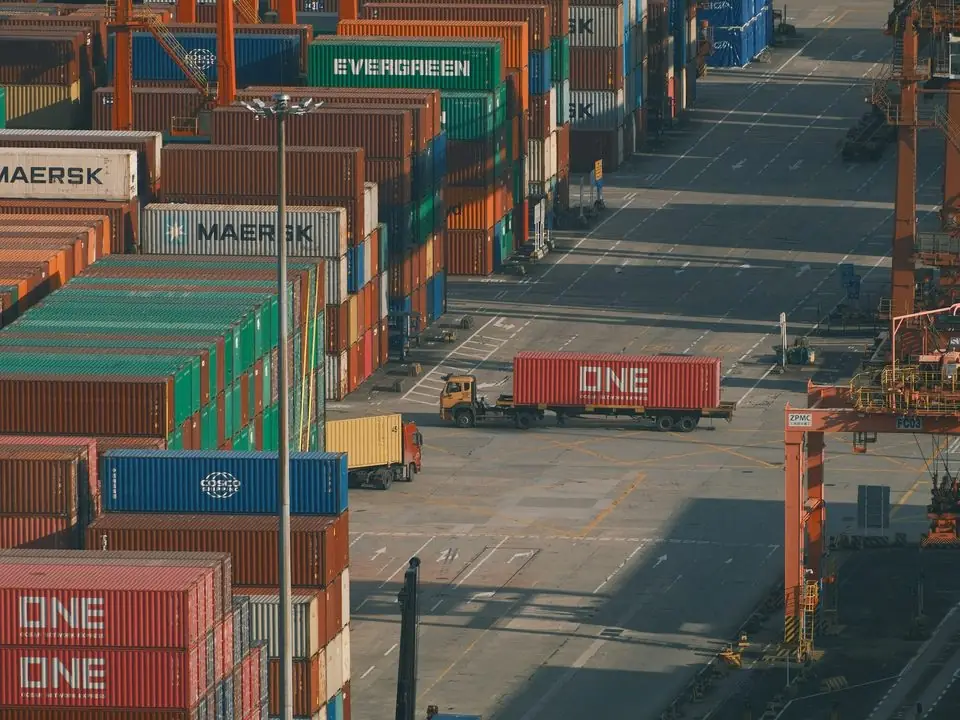
Trading is the backbone of the UAE economy. Importers bring goods through Jebel Ali and Khalifa Port, distributors supply retailers and contractors across the emirates, and many companies re-export to the GCC, Africa and South Asia. Margins are often thin, so knowing exactly what you hold and what it really cost matters.
Many trading companies still rely on basic accounting software plus spreadsheets for stock, pricing and shipments. That works until volume grows. Then stock counts drift, landed costs are estimated rather than calculated, and sales teams quote prices without knowing current availability.
A well-configured ERP for trading and distribution brings purchasing, inventory, sales and accounts into one system. Every receipt, transfer and delivery updates stock and finance together, and your team works from the same numbers.
These are the capabilities we configure most often for UAE trading companies.
Track stock by warehouse, location and bin, with transfers, reorder levels and live availability for sales teams.
Purchase requests, approvals, orders and supplier bills linked to receipts, with multi-currency for overseas suppliers.
Allocate freight, customs duty, clearing and insurance to items, so margins reflect what goods actually cost.
Trace items by batch, lot, serial number or expiry date for electronics, food, chemicals and spare parts.
Customer-specific price lists, discounts, credit limits and payment terms applied automatically on quotes and orders.
Bilingual tax invoices with TRN, 5% VAT, zero-rated exports and VAT return reports ready for FTA filing.

Every distributor is different, but these processes appear in almost every project.
Several ERPs handle trading well. The best fit depends on your scale and complexity.
Zoho Books with Zoho Inventory suits smaller distributors that want a clean, affordable, cloud-first setup.
Odoo combines strong inventory, purchasing and sales with e-commerce and CRM in one platform.
ERPNext offers solid stock, batch and serial handling on an open-source platform with no per-user license fees.
Business Central fits multi-entity distributors that need strong finance, controls and Microsoft integration.
Platforms and services that fit trading and distribution businesses.
We configure the system for the rules UAE businesses report against, and test it before go-live.
General information, not tax or legal advice. Confirm current requirements with the FTA, MOHRE or your advisor. See all UAE compliance guides.
On-site workshops in Dubai, Abu Dhabi and Sharjah, and remote or on-site delivery across the Northern Emirates and free zones.
Official sources and references
Facts on this page were checked against these sources in October 2026. Rules change, so confirm current requirements before acting.
Still have a question? Our consultants are happy to help.
Ask an ExpertIt depends on your size and complexity. Zoho suits smaller traders, Odoo and ERPNext cover a wide range of mid-size distributors, and Dynamics 365 Business Central fits larger or multi-entity groups. We compare them against your workflows during discovery.
Yes. Odoo, ERPNext and Dynamics 365 support landed cost allocation natively, and Zoho can handle it through configuration or extensions. Freight, duty, clearing and other charges are spread across items by value, quantity or weight.
Yes. Each warehouse, including free-zone and mainland locations, can be set up separately with its own stock, transfers and reports. Where free-zone and mainland operations are separate legal entities, we set those up as separate companies with inter-company flows.
Yes. Most platforms we implement support tracking by batch, lot, serial number and expiry date, with FEFO or FIFO picking where needed. This is common for food, pharmaceuticals, electronics and spare parts.
Yes. We regularly migrate customers, suppliers, items, open balances and stock from Tally, QuickBooks and spreadsheets. Test loads and reconciliation happen before go-live so opening figures match.
Related Solutions
Related Industries
Related ERP Platforms
Book a free consultation to see how an ERP would work for your trading business.
Dubai, United Arab Emirates