L
O
A
D
I
N
G


Zoho, Odoo, ERPNext, Dynamics 365 and custom ERP, delivered by one accountable team.

Most small UAE companies need invoicing, VAT, stock and a customer list that everyone can see. Odoo covers that with a handful of apps and grows when you do.
Odoo works well for small, owner-managed UAE businesses with one trade licence and processes still in spreadsheets or WhatsApp. A lean setup of three to five apps, such as Invoicing or Accounting, Sales, Purchase and Inventory on Odoo Online, covers VAT-ready invoicing, stock and customers without servers. Point of Sale, Website or Project can be added later on the same database.
Odoo for small business in the UAE works best for owner-managed companies with roughly a handful to a few dozen staff, one trade licence and processes that still live in spreadsheets, WhatsApp chats and a basic accounting package. Think of a Deira trading house, an Al Quoz interiors workshop, a Sharjah spare parts shop or a Dubai consultancy that has outgrown its invoicing tool.
The appeal is that Odoo lets you start small without boxing you in. You can begin with Invoicing or Accounting, add Sales, Purchase and Inventory once the basics are working, and switch on POS, Website or Project later. Everything shares one database, so a quotation becomes a delivery and an invoice without anyone retyping it, and the owner sees cash, receivables and stock in one place.
We keep small business projects deliberately lean: standard apps, Odoo Online hosting, minimal customization and practical training. If your company already runs several branches or entities, our Odoo for SMEs page covers that larger setup.

The products we configure, integrate and support on projects like this one.
 Odoo Invoicing / Accounting
 Odoo Sales
 Odoo CRM
 Odoo Inventory
 Odoo Purchase
 Odoo Manufacturing
Product names and logos are trademarks of their respective owners and are shown only to identify the software we implement.
These come up in almost every first conversation with owners and their accountants.
Cash, overdue customers and stock levels are pieced together from bank apps and spreadsheets. Decisions wait until the owner has time to check.
Invoices sit in different files and some lack the customer TRN. The external accountant spends days rebuilding records before each EmaraTax filing.
Goods are sold from WhatsApp orders and delivered without a record, so purchase decisions rely on guesswork.
Staff use their own Word or Excel templates, prices drift and the brand looks inconsistent to customers.
Nobody owns follow-up on overdue invoices, and post-dated cheques are tracked in a notebook.
This is the core cycle we set up first for most small trading and services companies.
One shared database: every step updates stock, finance and reports in real time.
Pick only what supports your current process. Each app can be added later without a new implementation.
Tax invoices with your TRN, customer statements, bank reconciliation and VAT reports for your accountant.
Consistent quotations with price lists and discounts that convert to orders in one click.
A shared pipeline so enquiries from calls, email and the website are not lost when someone is on leave.
Supplier quotations, purchase orders and vendor bills matched to goods received.
Stock levels, deliveries and reorder rules for one warehouse or a shop with a back store.
For counters and showrooms, a simple POS that updates stock and accounting as you sell.
For service firms, track jobs and hours and invoice by milestone or time spent.
Staff records, document expiry dates and leave requests in one place.
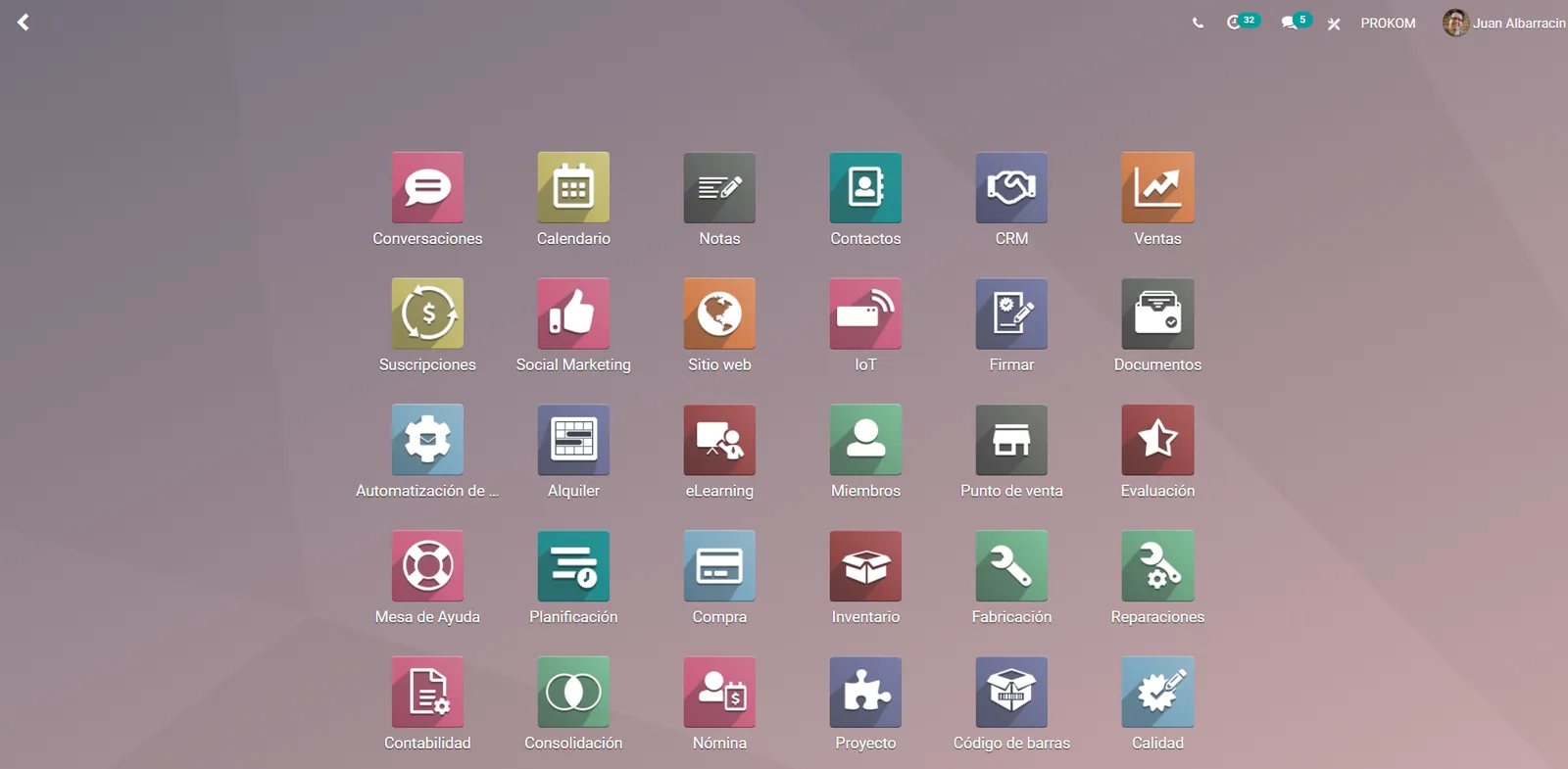
We build a simple home view that answers the questions owners ask every morning.
Odoo can be configured to support these requirements. Confirm your obligations with your tax advisor.
Registration is mandatory once taxable supplies exceed AED 375,000 over 12 months and voluntary from AED 187,500. Once registered, Odoo prints tax invoices with your TRN, applies the 5% rate and keeps zero-rated and exempt sales separate.
Taxable income up to AED 375,000 falls in the 0% band. Small Business Relief for revenue up to AED 3 million can be elected for tax periods ending on or before 31 December 2026. Clean books in Odoo make that assessment straightforward.
Businesses below AED 50 million in revenue are expected to appoint an Accredited Service Provider by 31 March 2027 and issue PINT AE e-invoices from 1 July 2027. Check the latest Ministry of Finance and FTA guidance as you plan.
Small companies on the mainland pay salaries through WPS. If you are not ready for Odoo Payroll, keep using your bank's SIF process and record payroll journals in Odoo.
General information, not tax or legal advice. Rules change; confirm current FTA, MOHRE and Ministry of Finance guidance with your advisor.
Small, standard projects move quickly when the owner makes decisions promptly. These ranges are typical, not guaranteed.
Durations are typical ranges; your plan is agreed after discovery.
We list your apps, users, invoice layout needs and data sources.
Company details, VAT taxes, products, price lists and document templates set up on Odoo Online.
Customers, suppliers, products, opening stock and opening balances imported and checked.
Short role-based sessions, then live use with our support through the first VAT period.
Compare options and explore the Odoo apps mentioned on this page.
We configure the system for the rules UAE businesses report against, and test it before go-live.
General information, not tax or legal advice. Confirm current requirements with the FTA, MOHRE or your advisor. See all UAE compliance guides.
On-site workshops in Dubai, Abu Dhabi and Sharjah, and remote or on-site delivery across the Northern Emirates and free zones.
Official sources and references
Facts on this page were checked against these sources in October 2026. Rules change, so confirm current requirements before acting.
Still have a question? Our consultants are happy to help.
Ask an ExpertNot if you keep the setup lean. With three or four apps and standard settings, most small teams are comfortable within a few weeks. Complexity comes from switching on everything at once.
Yes, if a single app such as Invoicing covers your needs. Once you add a second app you move to a paid plan, and your data carries over.
Usually not. Small teams rarely want to manage servers and upgrades, and Community lacks some accounting reports that help with VAT. Odoo Online on a paid plan is simpler for most.
Yes. Add your accountant as a user so they can reconcile, review VAT and prepare returns directly instead of asking for exports.
Both suit small UAE businesses. Zoho Books is very simple for accounting-led firms, while Odoo is stronger when stock, POS or manufacturing are central. We implement both and will recommend the better fit.
Related Solutions
Related Industries
Related ERP Platforms
Book a short call and we will suggest the smallest Odoo setup that solves your current problems.
Dubai, United Arab Emirates