
L
O
A
D
I
N
G


Zoho, Odoo, ERPNext, Dynamics 365 and custom ERP, delivered by one accountable team.

A practical reading path from the first requirements list to a stable go-live, written for UAE owners, finance heads and project leads.
A UAE company buying an ERP should move through set stages: define requirements, shortlist platforms, evaluate vendors, build the business case, plan the rollout and manage risks before go-live. Key documents include a requirements matrix, RFP, statement of work, data migration plan and UAT scripts. UAE-specific items such as VAT tax codes, Corporate Tax reporting, WPS payroll output and 2027 e-invoicing readiness belong in the scope.
Buying an ERP is a decision most UAE companies make once in ten years, so few people inside the business have done it before. These ERP buying and implementation guides cover each stage in order: defining requirements, shortlisting platforms, comparing vendors, building the business case, planning the rollout and avoiding the mistakes that stall projects.
The guides are written from the consultant's side of the table. They name the documents you will need (requirements matrix, RFP, statement of work, data migration plan, UAT scripts), the people who should own each step, and the UAE-specific items that are easy to miss, such as VAT tax codes, corporate tax reporting, WPS payroll output and readiness for the 2027 e-invoicing mandate.
If you already know which platform you want, jump to the implementation guides. If you are still comparing Zoho, Odoo, ERPNext and Dynamics 365, start with selection. Either way, the ERP implementation roadmap is a useful map of the full journey.
A pattern we see often in Dubai and Sharjah: a company picks software after two vendor demos, signs a licence, and only then discovers that nobody has written down how approvals, costing or intercompany billing should work. The project then pays for that discovery in change requests. Spending a few weeks on requirements and an RFP before signing is cheaper than any of the fixes later, and it gives you a clear basis for comparing partners such as those offering ERP implementation in Dubai.
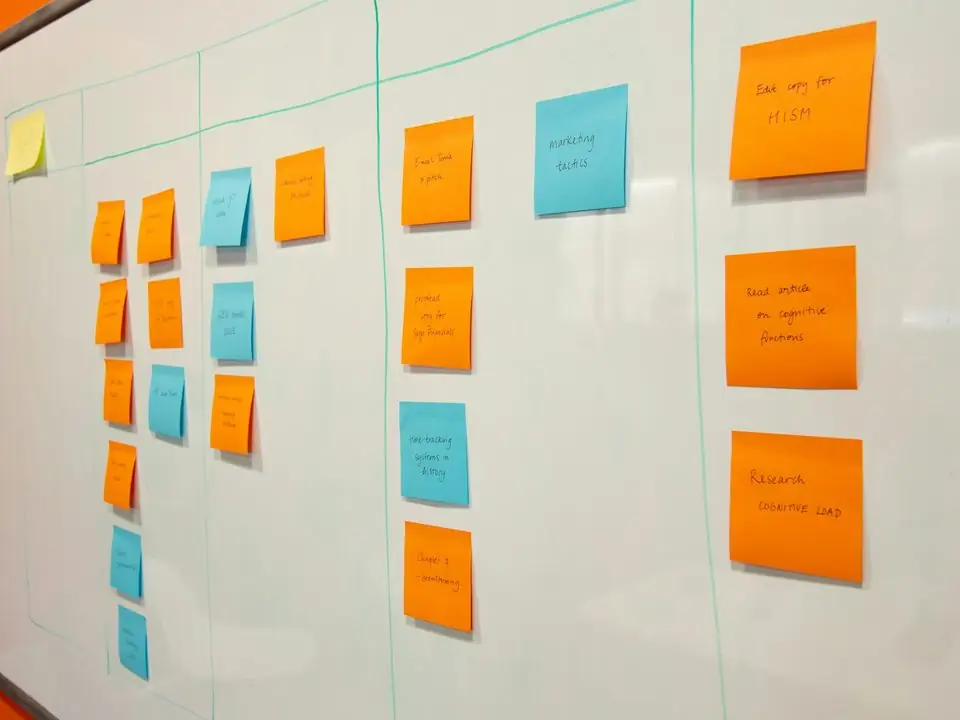
Each card points to the guides for one stage of the ERP journey.
List processes, reports and compliance needs before you look at software. Use the ERP requirements checklist to capture them by department.
Compare platforms on fit, not feature counts. How to choose ERP software in the UAE and the selection checklist walk through scoring.
The implementer matters as much as the software. Read how to select an ERP vendor and use the ERP RFP template to get comparable proposals.
Phases, milestones and realistic durations. See the ERP implementation timeline and the implementation methodology guide.
Scope creep, poor data and weak adoption cause most problems. ERP implementation risks and why ERP implementations fail cover them honestly.
Estimate benefits and full costs before you sign. Try the ERP ROI calculator, then read the total cost of ownership guide.
Start from where you are today.
| If you are... | Read this | What you get |
|---|---|---|
| Just starting and unsure what ERP should cover | ERP requirements checklist | A department-by-department list of processes, reports and UAE compliance items |
| Comparing Zoho, Odoo, ERPNext and Dynamics 365 | How to choose ERP software | A fit-based method and scoring criteria |
| Asking several partners for proposals | ERP RFP template | RFP sections that make proposals comparable |
| Asked by the board for a business case | ERP ROI guide | How to estimate benefits without inflated assumptions |
| Planning go-live dates around year-end | Implementation timeline | Typical phase durations and what lengthens them |
| Preparing the team for the project | Implementation checklist | Tasks, owners and sign-offs from kickoff to hypercare |
| Recovering a stalled project | Implementation challenges | Common blockers and how to get the project moving again |
| Worried about hidden costs | Total cost of ownership | Licences, implementation, hosting, support and internal time |
A short path for busy decision makers.
Spend a week with department heads on the requirements checklist. Mark each item as must-have or nice-to-have.
Use the selection guide to rule out platforms that do not fit your size, industry or budget model.
Send the same RFP and demo script to each partner so answers are comparable.
Combine the ROI guide with a realistic total cost of ownership over five years.
Fix phases, owners and acceptance criteria before signing, using the roadmap and methodology guides.
We configure the system for the rules UAE businesses report against, and test it before go-live.
General information, not tax or legal advice. Confirm current requirements with the FTA, MOHRE or your advisor. See all UAE compliance guides.
On-site workshops in Dubai, Abu Dhabi and Sharjah, and remote or on-site delivery across the Northern Emirates and free zones.
16 detailed guides in this section.
Official sources and references
Facts on this page were checked against these sources in October 2026. Rules change, so confirm current requirements before acting.
Still have a question? Our consultants are happy to help.
Ask an ExpertWe implement Zoho, Odoo, ERPNext, Microsoft Dynamics 365 and custom ERP, so we recommend by fit rather than pushing one product. We do not implement SAP, NetSuite, QuickBooks, Tally or Sage, though we help companies migrate from them.
It depends on scope, data quality and how quickly decisions are made. A focused rollout for a small company often takes six to ten weeks, while multi-company or manufacturing projects run several months. The timeline guide explains the drivers.
Small teams with simple processes sometimes self-implement cloud software. Most companies benefit from a partner for process design, data migration, UAE tax setup and training. See choosing an ERP implementation partner.
Unclear scope and weak ownership inside the business, followed by poor data migration. The software itself is rarely the main problem. Our failure and risk guides list early warning signs.
Yes, at the level of what the ERP must support: VAT tax codes and returns, corporate tax reporting, record keeping and e-invoicing readiness. They are not tax advice, so confirm specifics with your tax advisor.
Related Solutions
Related Industries
Related ERP Platforms
Share your requirements and we will tell you which platform fits and what a realistic rollout looks like.
Dubai, United Arab Emirates










