L
O
A
D
I
N
G


Zoho, Odoo, ERPNext, Dynamics 365 and custom ERP, delivered by one accountable team.

The method behind an ERP project decides how requirements are captured, when you see the system, and how change is controlled. Here is how the main approaches compare.
For most UAE SMEs and mid-size companies, a hybrid ERP implementation methodology works best: fixed phases, governance and sign-offs for control, with configuration built and demonstrated in two- to three-week sprints on the company's own data. Waterfall shows users the system late, while pure agile makes budgets harder to fix. A conference room pilot and formal UAT precede go-live.
An ERP implementation methodology UAE companies should ask about is the agreed way of working between you and your implementation team: how requirements become configuration, when users first see their own data in the system, how decisions and change requests are approved, and what documents prove each stage is complete. Two partners can quote similar effort for the same scope and still deliver very different results because of how they run the work.
There are three broad families. Waterfall runs fixed phases in sequence with sign-offs between them. Agile delivers working configuration in short sprints and adjusts as users react. Hybrid, which most mid-market ERP projects now use, fixes the overall phases and governance but configures and demonstrates in sprints. Software vendors also publish their own frameworks; Microsoft, for example, describes a Success by Design approach for projects on Dynamics 365, and Odoo and Frappe partners commonly use iterative, demo-led delivery.
This guide explains the options and what to expect from each. The sequence of business waves is a separate decision, covered in the ERP implementation roadmap, and practical do's and don'ts are on our ERP implementation best practices page.
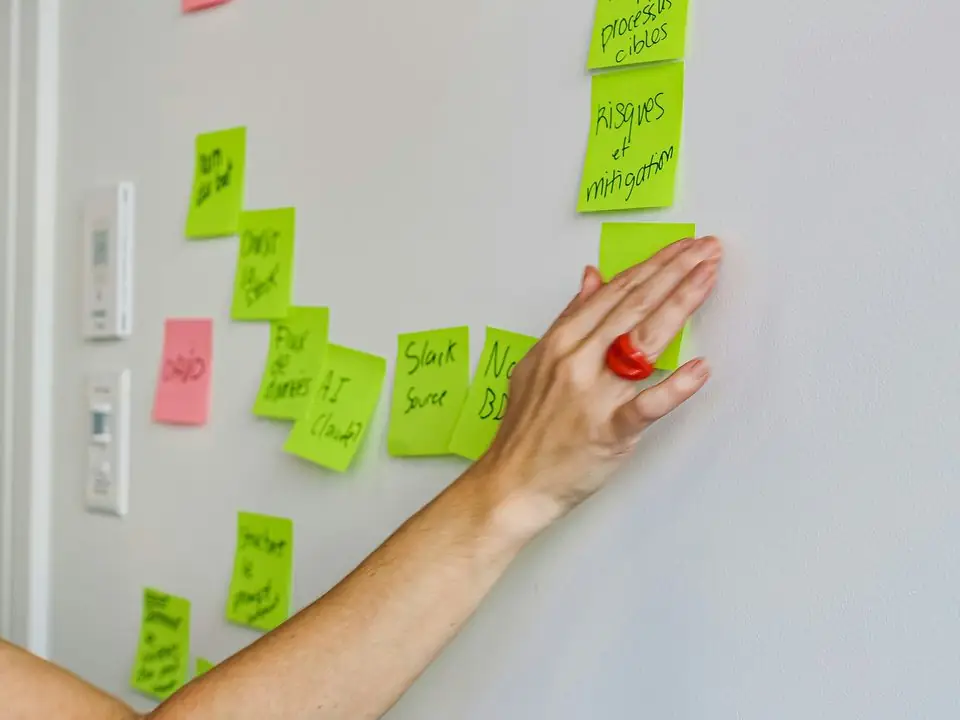
Fixed governance with iterative configuration. Each stage ends with a named deliverable.
Department workshops with finance, sales, stores, procurement and HR. Deliverables: current-state process notes, pain list, entity and TRN register, data inventory, and a baselined scope.
Future-state process maps for order-to-cash, procure-to-pay, inventory and payroll, plus a fit-gap list showing what is standard, configured, or needs development. Deliverable: signed solution design and configuration workbook.
Two- to three-week sprints, each ending with a demo on your own data: for example sprint one covers chart of accounts and VAT, sprint two purchasing and GRN, sprint three sales and delivery. Feedback goes into the next sprint's backlog.
Key users run full end-to-end scenarios in a test environment, from enquiry to payment receipt and from purchase requisition to supplier payment. Gaps are fixed before formal UAT.
Formal user acceptance testing with written scripts and sign-off, followed by role-based training. Deliverables: signed UAT log, training materials and user guides.
Cutover plan, go/no-go decision, go-live and hypercare through the first close, then structured handover to support with a list of enhancements for the next phase.
Use these in partner interviews or your RFP. Vague answers are a warning sign.
How the three approaches compare on the points that matter for UAE ERP projects.
| Waterfall | Agile | Hybrid | |
|---|---|---|---|
| How requirements are captured | Detailed requirements document signed before build | User stories in a backlog, refined each sprint | Signed high-level design, detail refined in sprints |
| When users see the system | Late, often at testing | From the first sprint | From the first sprint, on their own data |
| Scope and budget control | Strong on paper, change requests are formal | Flexible, harder to fix a total budget | Fixed scope envelope with a managed backlog |
| Documentation | Extensive | Light | Design, configuration workbook, UAT evidence |
| Demand on key users | Heavy at start and end | Steady and continuous | Steady, with peaks at pilot and UAT |
| Fit for compliance-heavy setup (VAT, WPS, e-invoicing) | Good, because rules are fixed early | Needs care to keep evidence | Good: rules fixed in design, tested in sprints |
| Typical fit | Regulated or fixed-price tenders, very stable processes | Custom apps and continuous improvement after go-live | Most SME and mid-size ERP rollouts |
These are general characteristics; a capable partner adapts the method to your project rather than applying it rigidly.
Benefits of agreeing the method up front, before the first workshop is booked.
Because users have seen sprint demos on their own data, formal testing confirms what they already know instead of revealing a system they do not recognize.
A fit-gap list and a change request process mean every customization has a reason, an estimate and an approver, which protects the budget.
Signed designs, configuration workbooks and UAT logs show how VAT, corporate tax and payroll rules were set up and tested, supporting record-keeping obligations.
Documented configuration lets your internal admin or support team maintain the system after go-live without depending on the individuals who built it.
The core method is the same, but each platform shapes the detail.
Apps can be switched on one at a time, so sprints often follow app boundaries: Books, then Inventory, then People and CRM, with Zoho Flow or Deluge for automation. See Zoho implementation in Dubai.
One database and many modules suit demo-led sprints. Studio changes and custom modules should be logged in the fit-gap list. See Odoo implementation.
Built on the Frappe Framework, with custom doctypes and scripts that are quick to prototype in sprints; version upgrades need regression testing in the plan. See ERPNext implementation.
Finance and Supply Chain projects typically use formal design reviews, separate test and production environments and structured release management. Business Central projects often run a lighter version of the same hybrid method, with fewer environments and shorter sprints.
Smaller projects need a concise design and UAT log; group projects add process ownership matrices and test strategies.
Whatever the platform, the method should produce evidence that tax codes, invoice formats and payroll output were designed, tested and approved.
We configure the system for the rules UAE businesses report against, and test it before go-live.
General information, not tax or legal advice. Confirm current requirements with the FTA, MOHRE or your advisor. See all UAE compliance guides.
On-site workshops in Dubai, Abu Dhabi and Sharjah, and remote or on-site delivery across the Northern Emirates and free zones.
Official sources and references
Facts on this page were checked against these sources in October 2026. Rules change, so confirm current requirements before acting.
Still have a question? Our consultants are happy to help.
Ask an ExpertThere is no universal best. For most UAE SMEs and mid-size companies a hybrid approach works well: fixed phases and sign-offs for control, with sprint demos so users shape the system early. Pure waterfall suits fixed-price tenders with stable processes; agile suits continuous improvement after go-live.
Agile without guardrails can let scope grow and budgets drift. Agile sprints inside a fixed scope envelope, with a backlog that the sponsor prioritizes, keeps the benefit of early feedback without losing cost control.
A structured session where key users run complete business scenarios end to end in a test system before formal UAT. It finds process gaps early, when they are cheaper to fix.
Yes. Methods that show working configuration early tend to reduce rework late in the project. Our ERP implementation timeline guide shows typical phase durations.
Ask for sample deliverables and a walkthrough of a past project's stages with client details removed. If you are delivering in the northern emirates, our ERP implementation in Sharjah page covers on-site support there. Our guide on choosing an ERP implementation partner lists further questions.
The governance and stages are the same for Zoho, Odoo, ERPNext and Dynamics 365. The sprint content, tooling and testing depth change with the platform and the size of the project.
Related Solutions
Related Industries
Related ERP Platforms
We will walk you through our stages, deliverables and sprint plan applied to your scope and platform.
Dubai, United Arab Emirates