L
O
A
D
I
N
G


Zoho, Odoo, ERPNext, Dynamics 365 and custom ERP, delivered by one accountable team.

A brokerage earns nothing until a deal closes and the commission is collected. We connect your CRM, listings, compliance records and commission accounting so every deal can be followed from first enquiry to agent payout.
ERP for real estate brokers in the UAE joins CRM to commission accounting. Leads from property portals, websites and walk-ins flow into the CRM with listing references, agents work them through viewings and offers, and closed deals then drive commission invoicing, collection from sellers, buyers or developers, agent splits and payouts released only once the commission is actually received.
ERP for real estate brokers in the UAE starts with leads but cannot stop there. A Dubai or Abu Dhabi brokerage receives enquiries from property portals, its website, social campaigns and walk-ins, assigns them to agents, and works them through viewings, offers and agreements. That part is CRM. What happens after the deal is signed is where many brokerages fall back on spreadsheets: invoicing the commission, collecting it from a seller, buyer or developer, splitting it between listing and selling agents, and paying agents on time.
Off-plan sales add another layer. Developer commissions are often paid only after the buyer reaches a payment milestone, so a closed deal can take months to turn into cash. Agents want to know when they will be paid; management wants to know how much commission is earned but not yet received. Without a system that links deals to receivables and payouts, those questions are answered from memory.
Compliance is the third pillar. Brokers must hold proper agreements for each listing and deal, keep client identification records, and meet anti-money laundering obligations that apply to real estate agents. We configure ERP so these records are captured inside the deal, not chased afterwards. For developers and landlords, see ERP for real estate companies and ERP for property management companies.

These are the operational problems brokerage owners and finance managers bring to us.
Enquiries from several portals arrive by email, call tracking and WhatsApp. Slow or uneven assignment means some leads are never called back and portal spend is wasted.
Deal values, commission rates, co-broker shares and agent splits often live in a finance workbook. Disputes with agents are common because nobody trusts the numbers.
Developer commissions depend on buyer payment milestones. Without a receivables view by developer and project, earned commission and actual cash drift far apart.
Passport and Emirates ID copies, source-of-funds notes and risk checks are stored in email and phones. That makes audits by regulators slow and risky.
Duplicate listings, expired agreements and missing permit references create compliance problems and confuse buyers.
We model both secondary market and off-plan deals, with the finance steps attached to the sales steps.
One shared database: every step updates stock, finance and reports in real time.
These modules connect the front office with finance and compliance.
Leads, contacts, requirements, viewings and offers with assignment rules and follow-up reminders.
Properties for sale and rent with owner details, agreement dates, permit references and media.
Lead capture from portals, website forms, call tracking and WhatsApp into one pipeline.
Deal records with value, commission rate, co-broker share and listing and selling agent splits.
Off-plan commission due by developer, project and milestone, with ageing and follow-up.
Commission statements per agent, payout approvals and payment through payroll or supplier payments.
Client identification documents, risk notes and approvals stored against each deal.
Commission invoices with VAT, bank reconciliation and management reports.
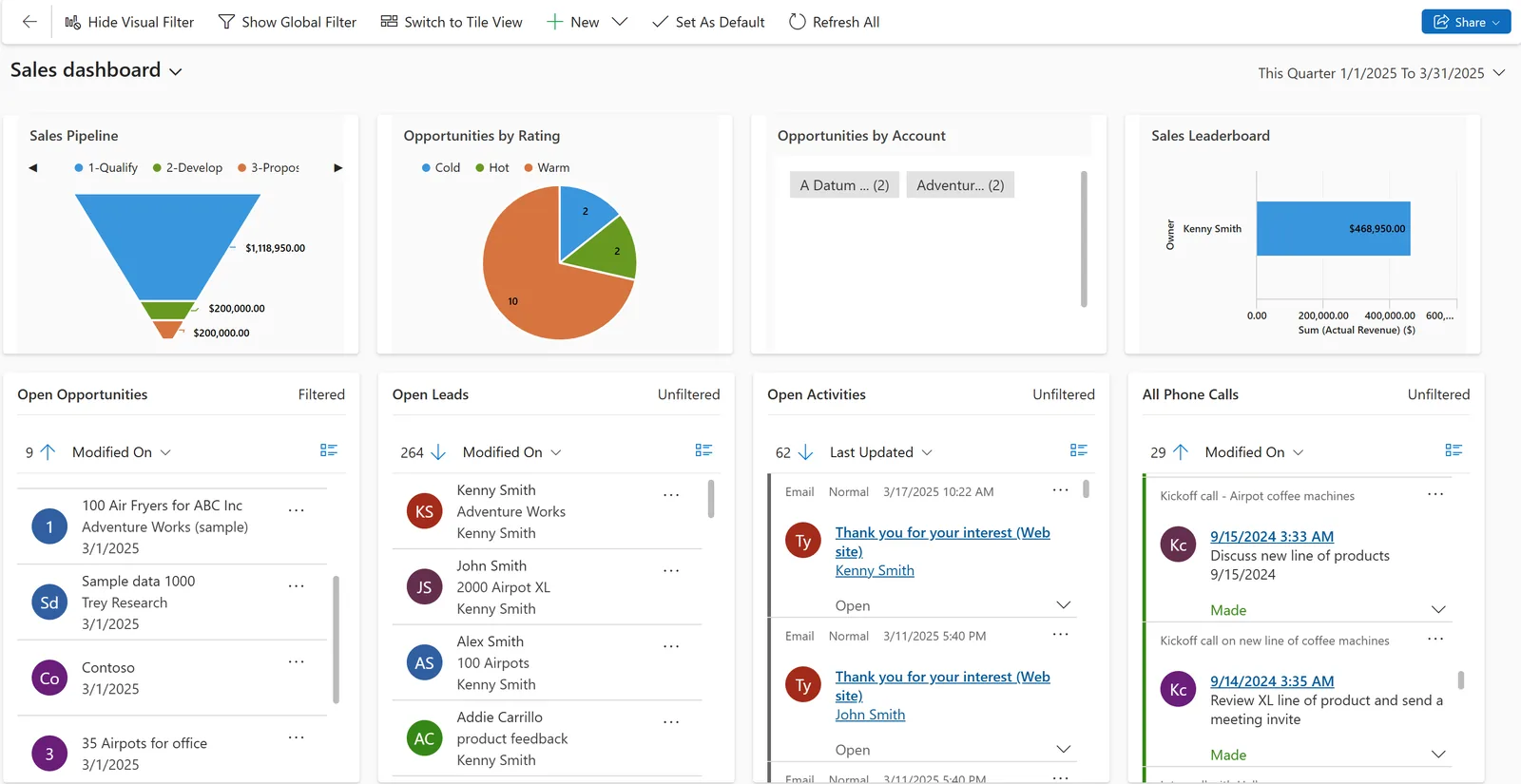
Sales managers see pipeline and agent activity; finance sees commission earned, invoiced and collected.
Most brokerages need a strong CRM tied to finance. Here is how the platforms we implement usually line up.
| Brokerage profile | Usual fit | Why |
|---|---|---|
| Boutique agency with a small team | Zoho CRM with Zoho Books | Strong CRM, portal lead capture through integrations and simple commission invoicing |
| Mid-size brokerage with secondary and off-plan desks | Odoo or Zoho One | CRM, accounting, documents and commission rules in one system |
| Brokerage wanting a tailored deal and commission engine | ERPNext or Zoho Creator | Custom deal records and split logic on a flexible framework |
| Brokerage within a developer or investment group | Microsoft Dynamics 365 | CRM and finance shared with the wider group, with multi-entity reporting |
We configure ERP to keep the records these rules require. Confirm specifics with your legal, compliance and tax advisors.
Brokerage commission is generally standard-rated at 5%. Commission invoices to sellers, buyers, landlords or developers need your TRN and the prescribed tax invoice fields.
Real estate brokers and agents are designated non-financial businesses under UAE AML rules and report through the goAML system where required. ERP should keep KYC documents and risk notes with each deal so reviews and reports can be supported.
In Dubai, brokers work under RERA rules covering broker registration, standard agreements and advertising permits. Storing agreement and permit references on each listing and deal makes audits easier.
Commission invoices will move to structured e-invoices exchanged through an Accredited Service Provider. Businesses below AED 50 million in revenue are mandatory from 1 July 2027. Check the latest Ministry of Finance and FTA guidance.
General information, not tax or legal advice. Rules change; confirm current FTA, MOHRE and Ministry of Finance guidance with your advisor.
Outcomes vary by team and market, so we help you measure them rather than promise them.
Automatic assignment and reminders mean portal leads are called back quickly and consistently.
Splits and payouts are calculated from deal records, reducing disputes and manual statements.
Earned but unpaid developer commission is tracked by milestone, improving cash planning.
KYC documents and agreements sit with each deal, so compliance reviews take less time.
Ranges assume a brokerage with one office and a few dozen agents.
Durations are typical ranges; your plan is agreed after discovery.
Map lead sources, deal types, commission structures, payout rules and compliance records.
Configure pipelines, assignment rules, listing records and portal and WhatsApp integrations.
Build commission rules, invoicing, developer receivables and agent payout statements.
Import contacts, listings and open deals, and train agents and finance staff.
Monitor lead response and the first payout cycle, then refine reports.
CRM platforms and other real estate segments.
We configure the system for the rules UAE businesses report against, and test it before go-live.
General information, not tax or legal advice. Confirm current requirements with the FTA, MOHRE or your advisor. See all UAE compliance guides.
On-site workshops in Dubai, Abu Dhabi and Sharjah, and remote or on-site delivery across the Northern Emirates and free zones.
Official sources and references
Facts on this page were checked against these sources in October 2026. Rules change, so confirm current requirements before acting.
Still have a question? Our consultants are happy to help.
Ask an ExpertIn most cases, yes. Portals typically send leads by email, API or a lead feed, and we capture them into the CRM with the listing reference attached. The exact method depends on what each portal offers your account.
Each deal records the total commission, any co-broker share and the listing and selling agents. Split rules by agent tier or deal type are applied automatically, and agent statements show the calculation.
Yes. Payout rules can release agent commission when the client or developer payment is received, or on a schedule you choose. Finance approves payouts before they are paid.
It stores KYC documents, risk notes and approvals with each deal and can flag deals missing documents. Reporting to authorities is still done through goAML by your compliance officer; the ERP keeps the supporting records organized.
Zoho CRM is a common choice for its CRM strength and integrations, while Odoo suits brokerages wanting CRM and accounting in one database. We implement both, plus ERPNext, Dynamics 365 and custom ERP, and recommend after discovery.
Related Solutions
Related Industries
Related ERP Platforms
Talk to our Dubai team about a brokerage setup that follows every deal from portal lead to agent payout.
Dubai, United Arab Emirates