L
O
A
D
I
N
G


Zoho, Odoo, ERPNext, Dynamics 365 and custom ERP, delivered by one accountable team.

Link every dish sold at the POS to the recipe behind it, so restaurant groups see real food cost, wastage and outlet profit instead of guessing at month-end.
An ERP for restaurants in the UAE links every dish sold at the POS to its recipe, deducting ingredients from outlet stock so groups can compare theoretical with actual food cost, track wastage and see outlet profit. It also handles purchasing, central kitchen production and transfers, and separates aggregator commissions from food revenue. Odoo, ERPNext, Zoho or Dynamics 365 can work alongside an existing POS.
An ERP for restaurants in the UAE starts where the POS stops. The POS knows you sold forty chicken biryanis tonight. An ERP knows that each one used a set weight of rice, chicken, oil and spices, deducts those from the kitchen's stock, and tells you whether food cost on that dish is still in line after the supplier raised chicken prices last week.
Restaurant groups in Dubai, Abu Dhabi and Sharjah typically run several outlets, sometimes a central kitchen, and a mix of dine-in, takeaway and delivery aggregator orders. Each outlet orders from suppliers, receives fresh produce daily, and throws away what it cannot use. Without one system, the finance team sees revenue by outlet but not why margin differs so much between them.
We implement restaurant ERP on Odoo, ERPNext, Zoho or Dynamics 365, often alongside a specialist restaurant POS the group already likes. The aim is simple: recipes, purchasing, stock, staff and accounts in one place, with the POS feeding sales in. Cafes and delivery-only kitchens have their own pages, and our restaurant POS page covers front-of-house in more detail.
We hear these from casual dining groups, fine dining operators and franchise brands alike.
Stock is counted once a month and food cost is worked out from purchases. By the time a problem shows up, four weeks of margin are gone.
Recipe cards exist in a binder, but portion sizes drift from chef to chef. Without recipe-based deduction, overportioning is invisible.
Fresh produce, meat and seafood prices change weekly. Menu prices stay fixed, so margins erode unless someone compares recipe cost against selling price regularly.
Sauces, marinades and prepped items move from the central kitchen to outlets without a proper transfer value. Outlet profit and loss is then distorted.
Delivery platforms pay out net of commission and promotions. If only the net payout is recorded, delivery looks more profitable than it is.
Cooks and servers move between outlets, rosters change daily, and WPS payroll must still be accurate for every employee.
Each outlet and the central kitchen share the same recipes, item master and accounts.
One shared database: every step updates stock, finance and reports in real time.
Start with recipes, purchasing and inventory; add the rest once the core is stable.
Recipes with ingredients, yields and portions, costed at latest purchase price and compared with menu price.
Par-level ordering per outlet, approved supplier lists and price checks against agreed rates.
Stock per outlet, store room and walk-in chiller, with daily counts for high-value items.
Batch production of prepped items, transferred to outlets at a standard cost.
Dish-level sales from your restaurant POS posted to the ERP to drive stock deduction and revenue.
Wastage recorded by reason, such as spoilage, prep error or customer return, for each outlet.
Shifts across outlets, attendance, overtime and WPS salary files for kitchen and service staff.
Outlet-level profit and loss, aggregator commission accounts and VAT reporting.
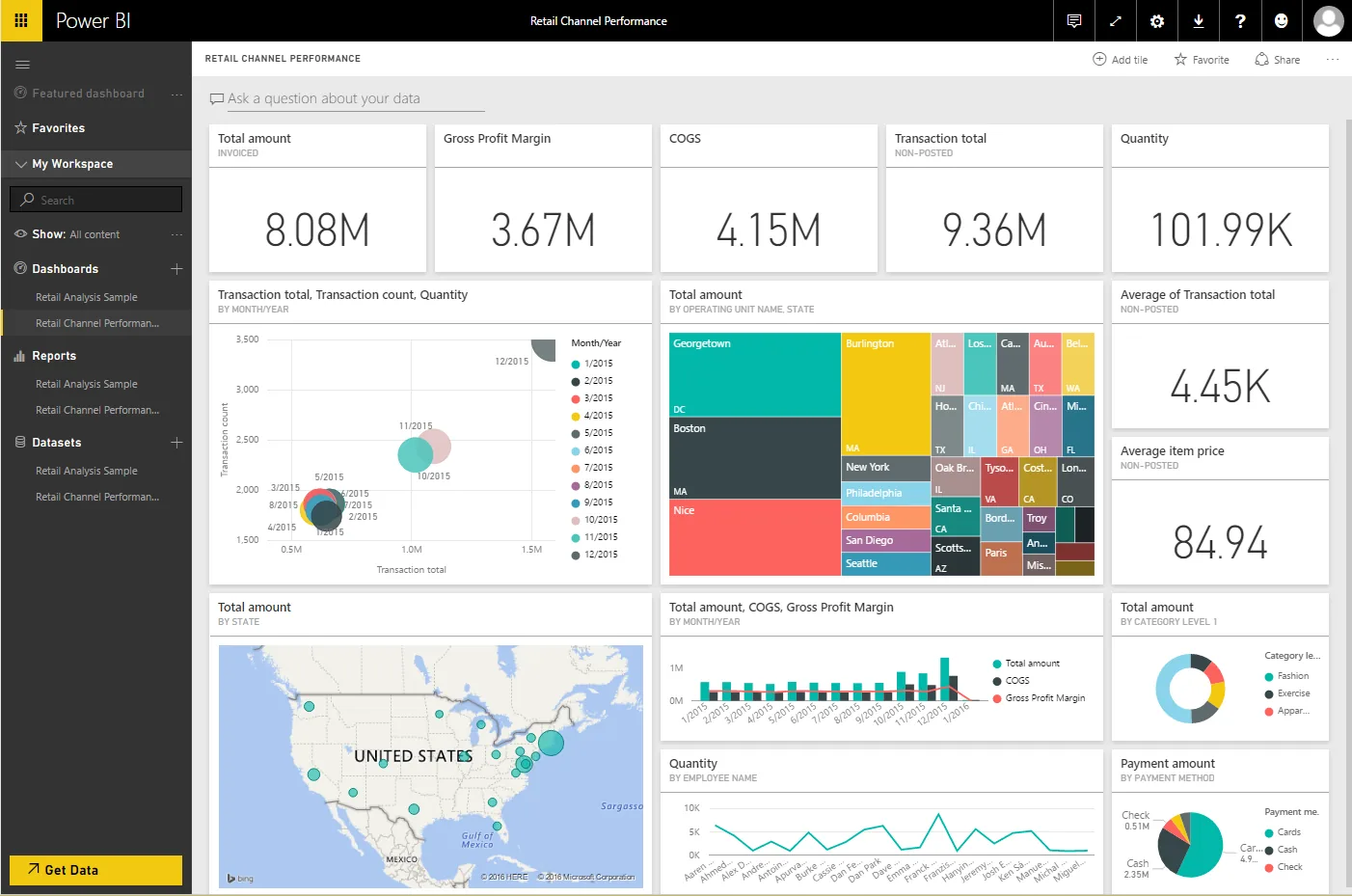
Operations managers use this daily to spot outlets drifting off target.
Many restaurant groups keep a specialist POS. The ERP choice then depends on back-office depth and number of outlets.
| Restaurant profile | Often a good fit | Why | Watch-outs |
|---|---|---|---|
| Single restaurant, owner-operated | Odoo with POS Restaurant | Floor plans, kitchen order printing, inventory and accounting in one product. | Recipe deduction needs careful setup of units and yields. |
| Group with three to ten outlets | Odoo | Shared recipes, outlet stock, transfers and consolidated reporting. | Agree who owns recipe changes so outlets stay consistent. |
| Group with central kitchen and specialist POS | ERPNext or Dynamics 365 Business Central with POS integration | Strong manufacturing and costing for the central kitchen, POS sales imported. | POS integration must map every menu item and modifier. |
| Franchise operator with several brands | Dynamics 365 Business Central or Odoo multi-company | Separate brands and companies with group reporting. | Franchise royalty calculations may need configuration. |
| Group already using Zoho Books | Zoho Books with Zoho Inventory and a POS integration | Keeps existing accounts while adding stock and purchase control. | Recipe-level deduction may need Zoho Creator or custom logic. |
We configure the ERP to support these requirements. They are not tax advice; confirm with your tax advisor.
Restaurant sales are standard-rated at 5% VAT. Menu prices shown to customers should be VAT-inclusive, and receipts must meet simplified tax invoice rules with your TRN.
Where a service charge or a local fee applies, it should be a separate line with the correct tax treatment. Rules differ by emirate and venue type, so confirm with your advisor.
Municipal food safety authorities expect traceability of ingredients. Batch and expiry details recorded at receiving support recalls and inspections.
Kitchen and service staff are paid through MOHRE's Wage Protection System using a Salary Information File, with gratuity calculated under UAE Labour Law.
Outlet-level accounts and clean cost allocation support corporate tax returns filed through EmaraTax.
General information, not tax or legal advice. Rules change; confirm current FTA, MOHRE and Ministry of Finance guidance with your advisor.
We avoid promising figures. These are the outcomes restaurant clients ask us to deliver.
Theoretical cost from recipes is compared with actual usage every week, so variances are investigated while they still matter.
Each dish shows current cost and contribution, helping chefs and owners decide what to reprice, reformulate or remove.
Central kitchen transfers, aggregator fees and shared staff are allocated properly, giving a fair picture of each outlet.
Wastage recorded by reason shows where prep, ordering or storage needs to change.
Typical ranges for a small group. Recipe data entry is the step that takes the most effort from your chefs.
Durations are typical ranges; your plan is agreed after discovery.
We visit outlets and the central kitchen, review menus, POS setup, supplier list and current stock counting.
Ingredients, units, yields, sub-recipes and menu items are built with your chefs and checked against real portions.
Purchasing, inventory, central kitchen transfers, POS integration and accounting are set up and tested.
One outlet goes live, and we compare theoretical and actual food cost after the first counts.
Remaining outlets join in sequence, each with an opening count and staff training.
More on restaurant systems, hospitality and food supply.
We configure the system for the rules UAE businesses report against, and test it before go-live.
General information, not tax or legal advice. Confirm current requirements with the FTA, MOHRE or your advisor. See all UAE compliance guides.
On-site workshops in Dubai, Abu Dhabi and Sharjah, and remote or on-site delivery across the Northern Emirates and free zones.
Official sources and references
Facts on this page were checked against these sources in October 2026. Rules change, so confirm current requirements before acting.
Still have a question? Our consultants are happy to help.
Ask an ExpertUsually yes. If your POS offers an API or a reliable sales export, we post dish-level sales into the ERP. If integration is not practical, the ERP's own restaurant POS is an option.
Each menu item has a recipe listing ingredients and quantities. When the POS records a sale, the ERP deducts those ingredients from the outlet's stock, giving a theoretical usage to compare with actual counts.
Yes. Production in the central kitchen consumes raw ingredients, and transfers to outlets are valued at standard or actual cost, so each outlet carries its true food cost.
Aggregator orders are captured through the POS or an integration where available. Payouts are recorded gross, with commission and promotion costs posted separately so delivery margin is visible.
This page covers full-service and casual dining restaurants and multi-outlet groups. Cafes and delivery-only kitchens have simpler menus and different priorities, which we cover on their own pages.
Related Solutions
Related Industries
Related ERP Platforms
Book a kitchen walk-through with our team to plan recipes, stock and POS integration for your restaurants.
Dubai, United Arab Emirates