L
O
A
D
I
N
G


Zoho, Odoo, ERPNext, Dynamics 365 and custom ERP, delivered by one accountable team.

Run appointments, checkout, stylist commission and product stock in one system, so every chair, service and bottle of color shows up in the numbers.
Yes. An ERP for salons in the UAE links appointments, front-desk POS, stylist commission, back-bar product stock and accounting, so each branch has its own P&L and VAT-ready tax invoices. Commission is calculated from closed POS orders by stylist grade, service and target, and each service carries a recipe that deducts colour and products from stock. Existing booking apps can often stay connected.
An ERP for salons in the UAE joins the parts of the business that usually sit in separate tools: the booking calendar, the front-desk POS, stylist commission sheets, the product store room and the accounting file. Ladies' salons in Jumeirah and Al Barsha, gents' barbershops in Deira and Mussafah, and nail and lash bars inside malls all face the same gap. The booking app knows who came in, but the accounts do not know what each service really cost.
The cost of a blow-dry or a keratin treatment is more than staff time. It includes back-bar product, the stylist's commission tier, card fees and station rent. A joined-up system shows which services, stylists and branches actually make money.
UAE ERP Experts is based in Dubai and works with salon owners in all seven emirates. We usually keep a dedicated booking front end where clients already like it and connect it to Odoo, Zoho or ERPNext for stock, commission, payroll and VAT. Where a salon also sells retail haircare, the setup overlaps with our retail ERP work, and multi-site groups often need multi-branch ERP controls from day one.
These come up in almost every first meeting, whether the business is one ladies' salon or a group of ten barbershops.
Stylists earn different rates on services, retail sales and tips, often with targets that change the percentage. When the calculation lives in a spreadsheet, payday turns into an argument and senior staff threaten to move to a competitor.
Hair color, developer, keratin and wax are opened at the chair and rarely recorded. Owners know product cost is high but cannot tell which service, branch or stylist is using more than the recipe allows.
The same shampoo brand may be sold to clients and used in the wash area. Without separate locations, stock counts never match and retail margin looks better or worse than it is.
Clients buy ten-blow-dry packages, bridal bundles or prepaid wallet credit. Unused balances are a liability, and losing track of them causes both revenue errors and unhappy clients.
This is the flow we configure for most salons. Walk-ins enter at the check-in step and follow the same path.
One shared database: every step updates stock, finance and reports in real time.
Not every salon needs all of these. A single-branch barbershop may start with four and add the rest later.
Per-stylist calendars with service durations, buffer times and online booking, either native or connected from an existing booking app.
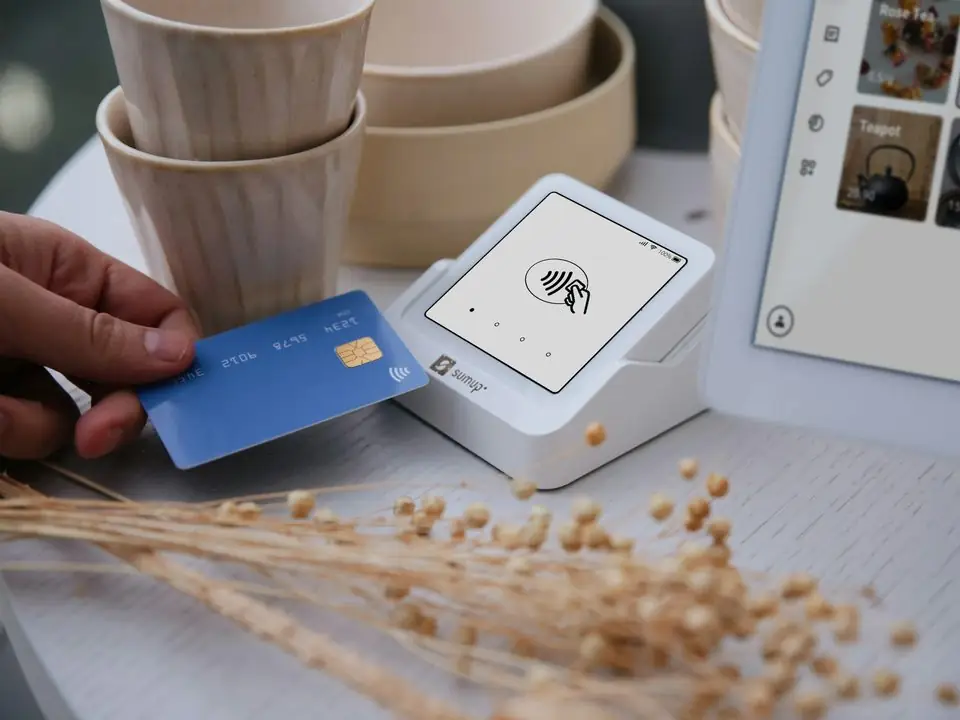
Front-desk checkout that handles split payments, tips, gift cards and package redemption, with a VAT-compliant receipt.
A bill of materials for each service, such as grams of color and developer for a root touch-up, so product usage posts automatically.
Separate retail and back-bar locations, reorder points per branch and transfers from a central store.
Rules by stylist grade, service category and monthly target, with a statement each stylist can check before payday.
Visit history, color formulas, allergies noted by the client, birthday offers and WhatsApp reminders.
Staff files, visa and Emirates ID expiry alerts, attendance, commission merged into payroll and a WPS salary file.
Branch-wise P&L, card settlement matching, deferred revenue for packages and VAT return mapping.
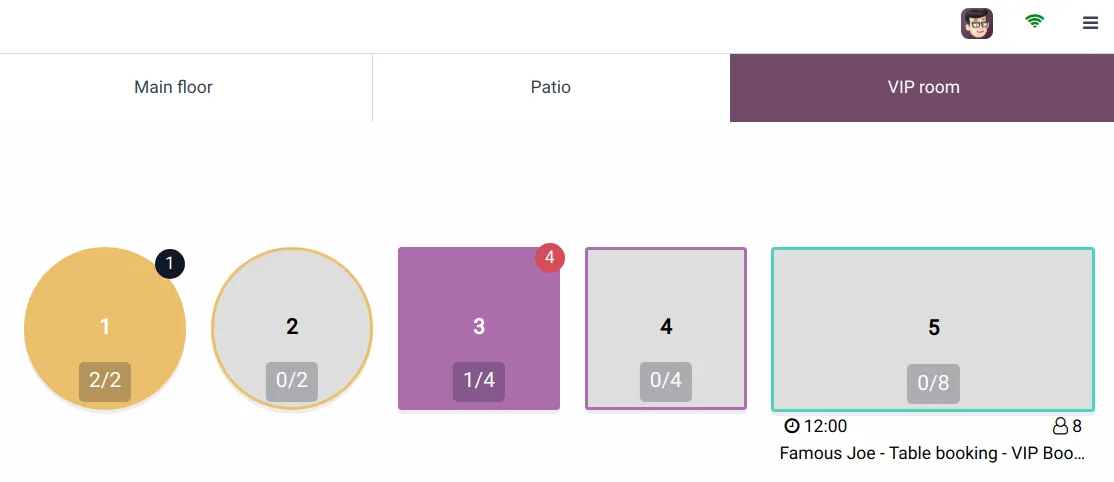
A front-desk and owner view built on POS and booking data, filtered by branch and stylist.
The right choice depends on the number of branches, how much retail you sell and whether you want to keep your current booking app.
| Salon profile | Platform that usually fits | Why it fits | Watch-out |
|---|---|---|---|
| Single salon or barbershop, booking app already in place | Zoho Books with Zoho Inventory | Simple VAT invoicing and stock, quick to set up, connects to common booking tools | Commission tiers usually need Zoho Creator or a custom function |
| Two to fifteen branches with real retail sales | Odoo | Appointments, POS, inventory, HR and accounting share one database, so a sale updates stock and commission at once | Scope the POS carefully so staff are not trained on features you do not use |
| Group that wants to own its code and host it | ERPNext | Open source, flexible POS and stock, and commission logic can be added as a custom app | Needs a partner for hosting, backups and upgrades |
| Salon brand inside a larger holding or franchise group | Dynamics 365 Business Central | Multi-company consolidation and Power BI reporting for the parent group | Front-desk booking usually stays in a specialist app connected by API |
We implement Zoho, Odoo, ERPNext, Dynamics 365 and custom ERP. We do not resell salon booking apps; we integrate with them where they offer an API.
Salons are mostly cash and card businesses, but the tax and labor rules still apply in full. Confirm specific treatments with your tax advisor.
Services and retail products are generally standard-rated at 5%. The timing of VAT on prepaid packages and gift cards depends on how they are sold and redeemed, so the ERP must record both the sale and each redemption clearly.
Receipts must carry your TRN and the prescribed fields. Corporate clients, such as hotels booking grooming for staff, may ask for full tax invoices, which the POS should produce on request.
Stylists and therapists on employment visas are paid through the Wage Protection System. Commission and tips paid through payroll need to appear in the Salary Information File, not in a separate cash envelope.
Under Federal Decree-Law No. 47 of 2022, salons need clean books to assess whether income is above the AED 375,000 threshold and whether Small Business Relief applies for eligible periods.
General information, not tax or legal advice. Rules change; confirm current FTA, MOHRE and Ministry of Finance guidance with your advisor.
These are the outcomes salons usually aim for. Results depend on how consistently the front desk records usage and redemptions.
Each stylist sees the services, retail and targets behind their number, so payday questions are settled with a statement instead of a debate.
Service recipes reveal where color or treatment usage exceeds the standard, by stylist and branch.
Knowing the real cost of each service lets owners reprice treatments that look busy but lose money.
Every branch reports on the same chart of accounts, so expansion decisions rest on comparable numbers.
Indicative ranges for one to five branches. Larger groups or custom booking integrations take longer.
Durations are typical ranges; your plan is agreed after discovery.
Map services, commission rules, product lines and package sales.
Configure service catalog, back-bar recipes, stock locations, tax codes and POS payment methods.
Connect the booking app, card terminals and WhatsApp reminders, and test commission calculations against last month.
Go live in one branch, train front desk and stylists, and fix gaps before rolling out.
Bring remaining branches live one at a time and review commission and stock reports after the first payroll.
Industry, platform and module pages that salon owners usually read next.
We configure the system for the rules UAE businesses report against, and test it before go-live.
General information, not tax or legal advice. Confirm current requirements with the FTA, MOHRE or your advisor. See all UAE compliance guides.
On-site workshops in Dubai, Abu Dhabi and Sharjah, and remote or on-site delivery across the Northern Emirates and free zones.
Official sources and references
Facts on this page were checked against these sources in October 2026. Rules change, so confirm current requirements before acting.
Usually, yes. If the booking app has an API or a reliable export, we connect completed appointments and payments to the ERP. Clients keep booking the way they are used to while stock, commission and accounts move into one place.
We set rules by stylist grade, service category, retail sales and monthly targets. The system calculates commission from closed POS orders and posts it to payroll, and each stylist can see a statement before salaries are processed.
Each service gets a recipe with standard quantities. When the service is checked out, product is deducted from the back-bar location. Stylists can adjust the actual grams used, which gives owners a clear view of variance.
Yes. Packages and gift cards are recorded as liabilities when sold and reduced as clients redeem them. Your tax advisor should confirm the VAT timing, and the system can be configured to follow that advice.
Yes. Odoo, Zoho Payroll and ERPNext can produce the Salary Information File your bank or exchange house needs, with commission included in the salary components.
Related Solutions
Related Industries
Related ERP Platforms
Share your branch count, booking tool and commission rules, and we will suggest a practical setup and rollout plan.
Dubai, United Arab Emirates