L
O
A
D
I
N
G


Zoho, Odoo, ERPNext, Dynamics 365 and custom ERP, delivered by one accountable team.

We configure ERP software for KEZAD companies that import raw materials through Khalifa Port, run production lines and sell into Abu Dhabi, the wider UAE and export markets. Zoho, Odoo, ERPNext, Dynamics 365 or custom, set up around your plant and your licence.
KEZAD, Abu Dhabi, UAEOn-site and remote ERP support
ERP software for KEZAD companies must follow material from a Khalifa Port vessel through silos and production lines to outbound trucks, while tracking which legal entity, plot and customs status each transaction belongs to. KEZAD groups free zone and industrial land plots, so metals, polymers, food and building materials operators selling into mainland Abu Dhabi need entity-aware setups in Zoho, Odoo, ERPNext, Dynamics 365 or custom ERP.
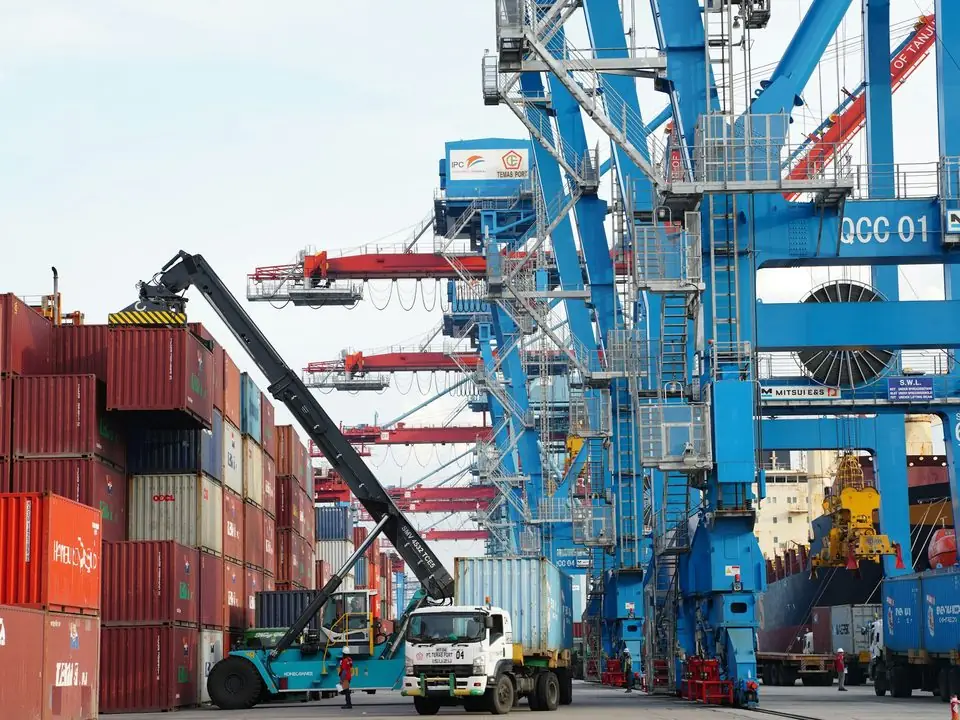
Choosing ERP software for a KEZAD company is rarely about accounting alone. Khalifa Economic Zones Abu Dhabi, part of AD Ports Group, sits between Abu Dhabi and Dubai beside Khalifa Port, and much of what happens there is heavy: metals processing, polymers and plastics conversion, food processing, building materials, chemicals, and large warehousing and logistics yards. The ERP has to follow tonnes of material from a vessel to a silo, through a production line, and out of the gate on a truck.
KEZAD is also not one uniform area. It groups several zones and clusters, and some plots operate under free zone rules while others are industrial land with a different licensing and customs position. A single business can hold a free zone licence for one activity and sell heavily into mainland Abu Dhabi. Your ERP needs to know which legal entity, which plot and which customs status each transaction belongs to, or month-end turns into manual reclassification.
UAE ERP Experts is based in Dubai and works with industrial clients in Abu Dhabi on site and remotely. We implement Odoo Manufacturing, ERPNext, Zoho, Dynamics 365 Business Central and custom builds. For KEZAD operators we usually start on the shop floor and at the weighbridge, not in the finance office, because that is where inventory accuracy is won or lost.
Free zone status changes how some transactions are treated, but it does not remove compliance work. These are the areas we set up in the ERP and then review with your tax advisor, because the right answer depends on your licence, your plot and your actual activities. Confirm with your tax advisor before relying on any treatment.
Under Federal Decree-Law No. 47 of 2022, a Qualifying Free Zone Person can apply 0% corporate tax to qualifying income if it meets conditions such as adequate substance, a de minimis limit on non-qualifying revenue and audited financial statements. Manufacturing and processing are among the activities the rules recognize, but sales to mainland customers need careful classification. The ERP tags revenue by customer location and activity so your advisor can test eligibility each year. Other income falls under the standard regime of 0% up to AED 375,000 and 9% above.
Only areas listed by Cabinet Decision as designated zones get special VAT treatment for certain goods movements, and the list covers specific areas, not every free zone plot. Goods sold from a designated zone to a mainland Abu Dhabi customer are typically subject to 5% VAT. We map tax codes per warehouse and per customer type, and your advisor confirms which apply to your site.
Imported raw materials held under customs suspension, and finished goods that later enter the local market, need clear records of declaration numbers, HS codes and values. The ERP stores these against each receipt and dispatch so duty and VAT on import can be reconciled with customs statements.
Under Ministerial Decisions No. 243 and 244 of 2025, UAE e-invoicing uses the Peppol-based PINT AE format through Accredited Service Providers. Businesses with revenue of AED 50 million or more must appoint an ASP by 30 October 2026 and go live from 1 January 2027; smaller businesses follow from 1 July 2027. Many KEZAD manufacturers sit above the threshold, so customer and item master data should be cleaned now. Check the latest Ministry of Finance and FTA guidance, as dates have been amended before.
Shift-based plant teams often fall under MOHRE and WPS, with salaries paid through approved channels using a Salary Information File. The HR module handles overtime, shift allowances, accommodation and end-of-service gratuity under Federal Decree-Law No. 33 of 2021.
General information, not tax or legal advice. Rules change; confirm current FTA, MOHRE and Ministry of Finance guidance with your advisor.
This is the typical flow for a processor importing raw materials through Khalifa Port and selling both locally and abroad. Each step creates a record the next one depends on, so a gap at the weighbridge shows up later as a costing error.
One shared database: every step updates stock, finance and reports in real time.
These six capabilities matter more in KEZAD than in an office-based free zone. We check each one in a demo using your own materials, units and documents before recommending a platform.
Bills of materials with yield percentages, co-products and by-products, plus batch records that capture actual consumption, as covered in our manufacturing ERP guide. This suits polymer, food and chemical processors where output never exactly matches theory.
Each coil, bag, drum or bulk lot carries its supplier lot or mill heat number through production. If a customer raises a quality claim, you can trace back to the inbound container in minutes.
Bulk goods arrive in metric tonnes, get consumed in kilograms and are sold in bags or pallets. The ERP holds conversion rules and can take weighbridge readings directly or through a simple import, so the receipt matches the truck ticket.
Electricity, gas, machine hours, scrap and rework are allocated to production orders, not left in overheads. Finance sees margin per product and per line, which is often a surprise for teams used to standard costs set years ago.
Delivery orders, gate passes and transporter details are generated together. Security at the gate checks the pass against the system, which reduces unrecorded loads leaving the plot.
Preventive schedules for extruders, kilns, presses and forklifts, with spare parts drawn from the same inventory. Downtime is logged against the production plan so planners can see its effect on delivery dates.
KEZAD hosts a broad industrial mix. These are the business types where we have tailored workflows, units of measure and reports for Abu Dhabi industrial clients.
Explore our free zone hub, manufacturing pages and Abu Dhabi support options.
We configure the system for the rules UAE businesses report against, and test it before go-live.
General information, not tax or legal advice. Confirm current requirements with the FTA, MOHRE or your advisor. See all UAE compliance guides.
Nearby areas, free zones and emirates we serve from our Dubai base, alongside KEZAD.
Official sources and references
Facts on this page were checked against these sources in October 2026. Rules change, so confirm current requirements before acting.
Still have a question? Our consultants are happy to help.
Ask an ExpertIt depends on production complexity and group size. Odoo and ERPNext handle process and discrete manufacturing well for mid-sized plants, Dynamics 365 Business Central fits groups already on Microsoft, and Zoho works better for KEZAD traders and warehousing firms with light assembly. We compare them using your own bills of materials before recommending one.
Yes. All the platforms we implement support multiple companies in one database with separate ledgers, tax settings and numbering. Intercompany sales and transfers can be posted on both sides automatically, which keeps transfer pricing records consistent.
Our office is in Dubai, and we visit Abu Dhabi industrial sites for discovery workshops, warehouse walk-throughs, go-live and training. Configuration and support are mostly remote. A focused plant rollout often takes 10-16 weeks, depending on how many lines, sites and integrations are involved.
Weighbridge tickets can usually be pulled in through a file export or an API if the weighbridge software provides one. Machine and PLC data integration is possible but is scoped as a separate project, because it depends on the equipment and its interfaces.
No implementation partner can claim that. The FTA keeps a Tax Accounting Software Register, and you should check the current register for any specific product you are considering. What we do is configure tax invoices, VAT return mapping, audit trails and the FTA Audit File so your records support the rules.
Start by cleaning customer TRNs, addresses and item descriptions, then choose an Accredited Service Provider and confirm your ERP can produce PINT AE data. The current timeline asks large businesses to appoint an ASP by 30 October 2026, but check the latest Ministry of Finance guidance before planning.
Related Solutions
Related Industries
Related ERP Platforms
Call +971 55 145 3265 or email contact@uaeerpexperts.com to book a discovery session at your KEZAD site.
Dubai, United Arab Emirates