L
O
A
D
I
N
G


Zoho, Odoo, ERPNext, Dynamics 365 and custom ERP, delivered by one accountable team.

Know exactly which lots of resin, flour, steel coil or chemicals you hold, which are approved for use, and which production order consumed them.
An ERP manages raw materials by receiving them against purchase orders with supplier lot and expiry dates, holding them in quarantine until quality approval, storing them by location, and issuing them to production orders with documented quantities. UAE manufacturers importing through Jebel Ali or Khalifa Port gain lead-time-aware reordering and traceability from supplier lot to finished batch.
An ERP for raw material management in the UAE controls the inputs side of the plant: materials arriving from suppliers or through Jebel Ali and Khalifa Port, being checked, stored, reserved and issued to production. For a food manufacturer that means flour, sugar and packaging with expiry dates. For a plastics plant it means resin grades and masterbatch by lot. For a fabricator it means steel coil, sheet and profiles by heat number.
Most UAE manufacturers import a large share of their inputs, so lead times are long and uneven: four to ten weeks by sea from Asia or Europe is normal. That pushes companies to hold more stock, and the store becomes the place where cash sits. Yet in many plants the store keeper still tracks materials on a ledger or spreadsheet, production takes material without a document, and the stock figure in accounts is corrected once a year after the physical count.
This page focuses on the material itself: receipt, quality status, storage, issue and replenishment. How much material each product needs is defined in the bill of materials, and the netting of demand against stock and open POs is the job of MRP software.
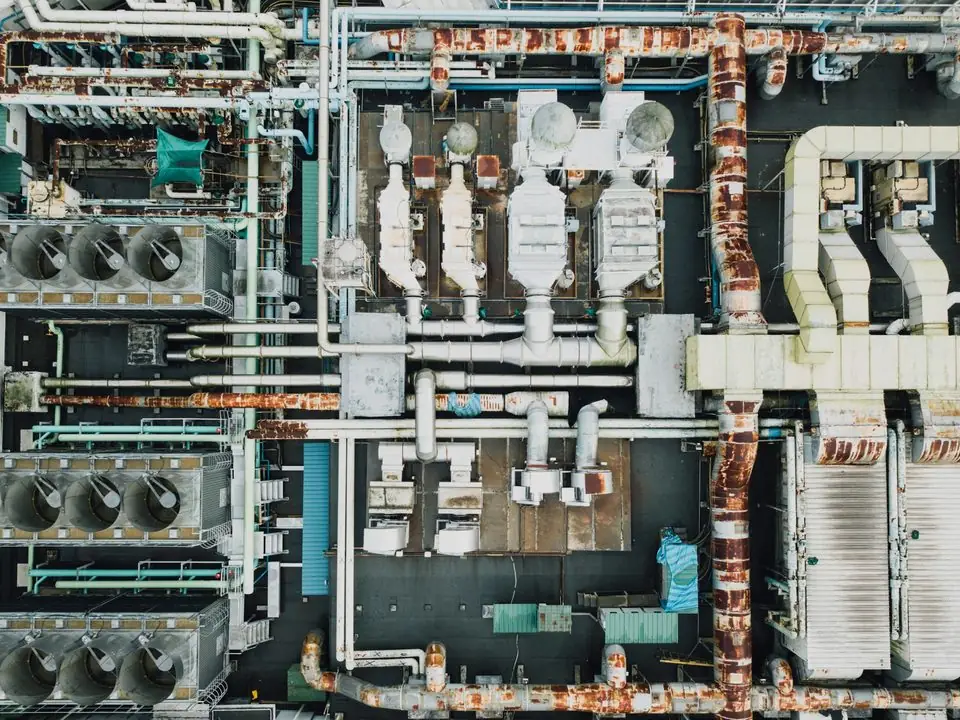
These are the patterns we find when we walk a store and compare it with the books.
A key additive or packaging film runs out because nobody saw the reorder point. With imported material on a six-week lead time, a local emergency buy at a higher price is the only option.
Supervisors collect extra bags or sheets at the start of a shift and return nothing. The store balance drifts from reality, and consumption per order is unknown.
When a customer complains about a batch, the plant cannot say which supplier lot of raw material went into it. A recall becomes a guess.
Material waiting for lab results sits next to approved stock. Without a quarantine status, operators pick whatever is nearest, including expired lots.
Resin is bought in tonnes, stored in 25 kg bags and issued in kg. Steel is bought by weight and used by length. Wrong conversions create phantom stock and wrong costs.
Buyers order full containers for a price break without seeing current stock and planned usage, so slow-moving grades and obsolete packaging accumulate.
Each step creates a document, so the store balance, quality status and cost stay correct at any moment.
One shared database: every step updates stock, finance and reports in real time.
Raw material management sits between purchasing, the store, quality and production. These modules need to share the same item and lot data.
Purchase, stock and issue units with fixed conversions, plus material grade, shelf life and storage conditions.
POs with supplier lead times and incoterms; vendor history feeds supplier management.
GRN against the PO, capturing supplier lot, manufacture and expiry dates, and container or delivery note number.
Every lot traceable from supplier to finished batch; see batch tracking.
Incoming checks with test parameters; stock stays in quarantine until approved.
Bins for cold, hazardous or bonded storage, and separate quarantine and reject locations.
Issue against a manufacturing order with backflush or picked quantities, and returns of unused material.
Min-max and lead-time based reorder rules tied to inventory replenishment.
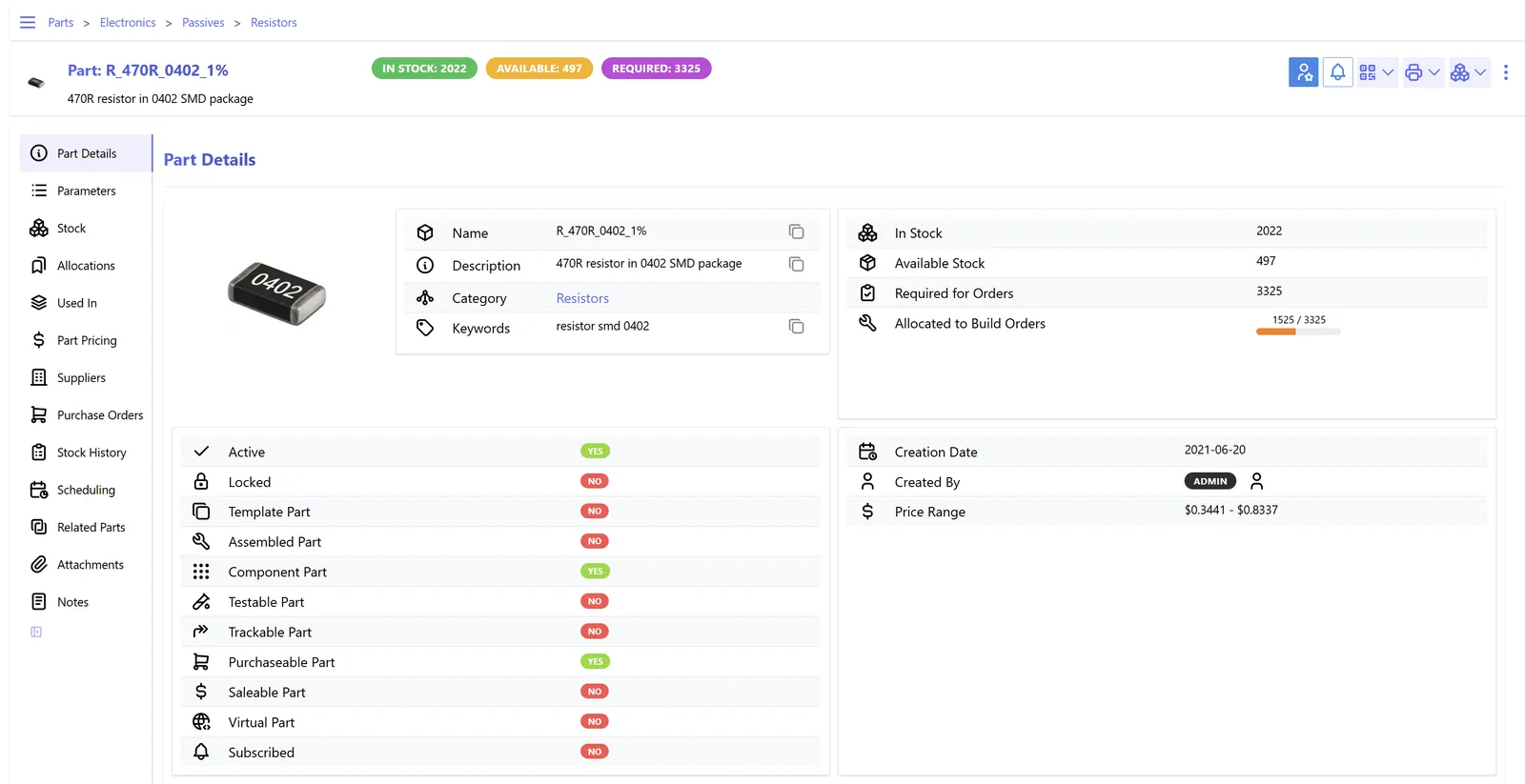
An inventory view filtered to raw materials shows availability, quality status and ageing in one place.
All four platforms we implement manage lots and issues; quality and planning depth varies. Confirm features for your edition.
| Zoho | Odoo | ERPNext | Dynamics 365 | |
|---|---|---|---|---|
| Lot and expiry tracking | Batch tracking with manufacture and expiry dates in Zoho Inventory | Lots and serial numbers with expiration dates (expiry option in Inventory settings) | Batch doctype with expiry date and batch-wise stock | Item tracking codes for lot and serial numbers with expiration |
| Incoming inspection | Usually a custom check in Zoho Creator before stock is approved | Quality app (Enterprise) with control points on receipts | Quality Inspection on Purchase Receipt with templates | Quality orders in Finance and SCM; Business Central usually via an app |
| Quarantine handling | Separate warehouse or location used as quarantine | Multi-step receipt with an input or quality location | Separate quarantine warehouse and transfer on approval | Quarantine orders or blocked inventory status |
| Issue to production | Through assembly transactions on composite items | Components consumed on manufacturing orders, with pick step optional | Material Transfer for Manufacture to the WIP warehouse | Consumption journals or picking on production orders |
| Reorder planning | Reorder points per item | Min-max reordering rules and MRP replenishment | Material Request from reorder levels and production plans | Planning worksheet and requisition worksheet |
| Units of measure | Basic UoM support; confirm conversions for your plan | UoM categories with purchase and stock units | UoM conversion factors per item | Multiple units per item with conversions |
Raw material data comes from suppliers, the gate, the lab and the shop floor.
Raw material records support your VAT, customs and food safety obligations. Confirm specifics with your advisors.
Imported materials carry customs declarations and import VAT, usually handled by reverse charge for registered businesses. Link the declaration number to the GRN so the VAT return and landed cost reconcile; see landed cost software.
Materials moving between a designated zone and the mainland may change VAT treatment. Record the source and destination location on transfers and confirm the treatment with your tax advisor.
Food manufacturers face municipality and food safety requirements for traceability and shelf life. Lot and expiry tracking with FEFO issue supports those audits.
Keep GRNs, supplier invoices, inspection records and stock movements for at least five years under Cabinet Decision 74 of 2023.
General information, not tax or legal advice. Rules change; confirm current FTA, MOHRE and Ministry of Finance guidance with your advisor.
The gains come from fewer surprises on the line and less cash tied up in the store.
Reorder suggestions consider lead time and planned production, so imported materials are ordered in time.
Days-of-cover reports show which grades are over-stocked before the next container is ordered.
Every finished batch can be traced back to supplier lots within minutes, not days.
Issues against orders show actual usage versus the BOM, which feeds production costing.
Raw material control is often the first manufacturing phase, because everything else depends on it. Durations are typical ranges.
Durations are typical ranges; your plan is agreed after discovery.
Standardize material codes, grades and unit conversions; remove duplicates.
Define bins, quarantine and reject areas, and label locations with barcodes.
Count and load stock with lot and expiry details, valued at agreed cost.
Train store keepers and supervisors; stop all undocumented issues from day one.
Adjust reorder levels after observing real consumption and supplier lead times.
We configure the system for the rules UAE businesses report against, and test it before go-live.
General information, not tax or legal advice. Confirm current requirements with the FTA, MOHRE or your advisor. See all UAE compliance guides.
On-site workshops in Dubai, Abu Dhabi and Sharjah, and remote or on-site delivery across the Northern Emirates and free zones.
Official sources and references
Facts on this page were checked against these sources in October 2026. Rules change, so confirm current requirements before acting.
Still have a question? Our consultants are happy to help.
Ask an ExpertNot always. Track lots where quality, expiry or traceability matters: food ingredients, chemicals, resins, steel with mill certificates. Low-value consumables such as fasteners or tape can be tracked by quantity only.
Backflushing consumes the BOM quantity automatically when output is reported. It suits stable, high-volume lines. Manual issue suits processes with variable usage, because the actual quantity is what you want to see.
Set the purchase unit (kg or tonne) and the stock or issue unit (meter or piece) with a conversion per item, or per lot where the weight per meter varies. Test conversions on real deliveries before go-live.
The principles are similar, but construction material management tracks deliveries to sites and projects, while a factory issues material to manufacturing orders inside one plant.
Yes. Most platforms let you attach documents to the receipt or lot. A supplier portal or email-to-document capture can make this automatic for regular suppliers.
Related Solutions
Related Industries
Related ERP Platforms
Related Guides
Walk us through your store and current stock sheet, and we will map the receipt, inspection and issue flow your ERP should run.
Dubai, United Arab Emirates