L
O
A
D
I
N
G


Zoho, Odoo, ERPNext, Dynamics 365 and custom ERP, delivered by one accountable team.

Win more of the bids worth chasing. Track every RFP from bid/no-bid to submission, reuse approved content, control commercial sign-off and learn from each win and loss.
Proposal management software tracks each RFP or tender from bid/no-bid decision to submission. UAE firms use it to log deadlines for site visits, clarifications and bid bonds, assign section owners, draft from a library of approved company content, separate technical review from commercial pricing sign-off, and record win/loss reasons. It can run on Zoho, Odoo, ERPNext or Dynamics 365.
Proposal management software UAE companies adopt is built for the multi-week, multi-author effort behind a formal response: an RFP from a semi-government entity, a facility management tender from a master developer, an IT services bid for a bank, or a consultancy proposal for a free zone authority. The output is usually a technical proposal (understanding, scope, methodology, team CVs, project plan, compliance matrix) and a separate commercial proposal, often submitted through the client's e-procurement portal by a fixed deadline.
In most firms these bids are assembled in shared folders and WhatsApp groups. The bid manager chases the delivery lead for a methodology section, finance for a cost build-up and HR for CVs, and somebody searches old submissions for the company profile and HSE policy. Nobody records why a bid was declined, what price was submitted, or why it was lost.
A proposal process inside your CRM gives each bid an opportunity record with a deadline, owners, a checklist of required documents, an approval path for pricing and a final outcome. It complements quotation management, which handles short priced offers, and links to construction tender management for BOQ-driven contractor bids.
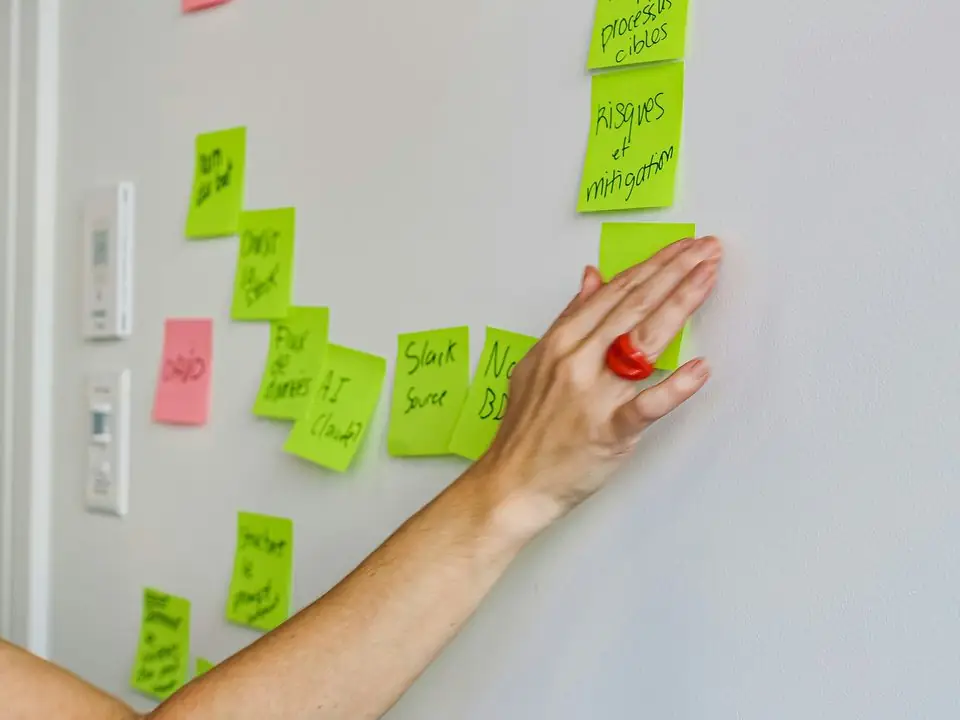
Proposal teams in the UAE are usually small and stretched across several bids at once. The same issues come up repeatedly.
Without a bid/no-bid step, teams spend weeks on tenders they have little chance of winning. Strong opportunities then get rushed submissions.
Company profiles, trade licences, ISO certificates, HSE policies and case write-ups are copied from the last bid, sometimes with expired documents or another client's name left in.
RFPs have dates for site visits, clarification questions and bid bonds as well as submission. These sit in one person's calendar and are easy to miss.
The commercial proposal is built in a spreadsheet, and the final margin is agreed late at night on a call. There is no record of who approved the price or the assumptions behind it.
Evaluators score against the RFP's requirements. Without a compliance matrix, a mandatory item is missed and the bid is disqualified technically.
When a bid is lost, the reason is rarely recorded. The same pricing or staffing mistakes repeat in the next tender.
This is the bid lifecycle we usually configure in the CRM, with tasks and approvals at each stage.
One shared database: every step updates stock, finance and reports in real time.
Proposal work spans sales, delivery and finance. These components carry it.
Each RFP as an opportunity with client, reference number, submission date, estimated value and bid stage.
Section owners, due dates for drafts, reviews, site visits and clarification questions, with reminders.
Approved, dated versions of company profile, licences, certificates, CVs, methodologies and policies.
Templates that merge client and opportunity data into cover letters, compliance matrices and proposal sections.
Manpower, materials, subcontract and overhead lines that produce the commercial offer and margin.
Bid/no-bid sign-off and commercial approval routed by value to the director or GM, with a timestamped record.
On award, the scope, price and team move into a project so delivery starts from what was promised.
Outcome, competitor, price gap and reason recorded for every bid and reported by sector and client.
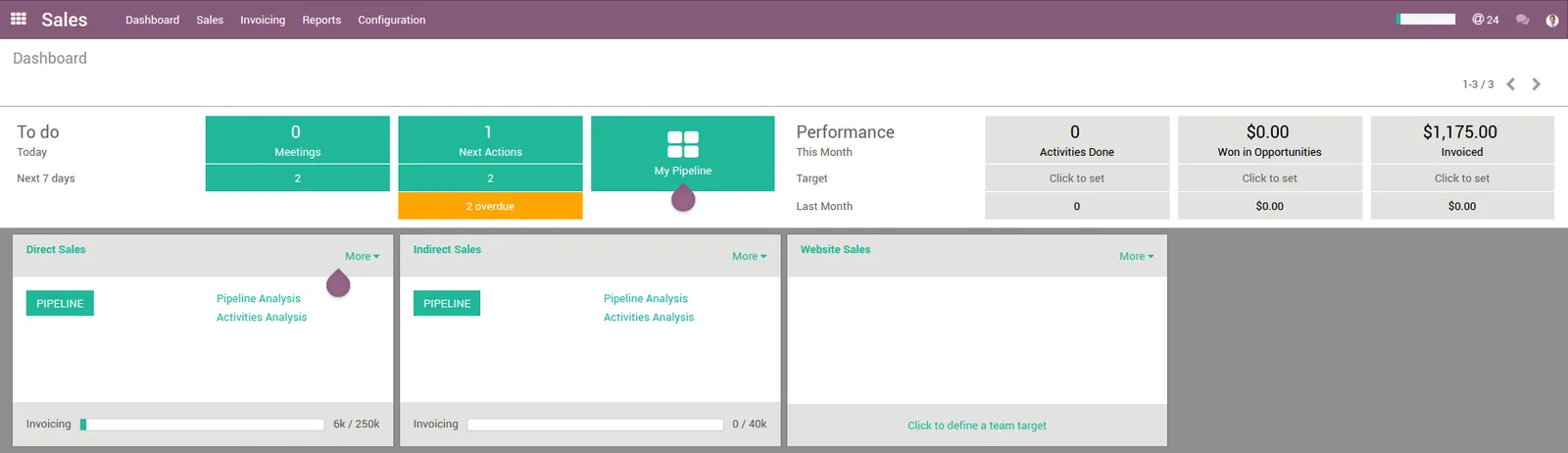
Directors want to know what is being bid, when it is due and what the team is winning. These reports answer that.
None of these platforms is a dedicated proposal tool out of the box. Each can carry the process well with configuration. Confirm features for your edition.
| Zoho | Odoo | ERPNext | Dynamics 365 | |
|---|---|---|---|---|
| Bid register | Deals or a custom Bids module in Zoho CRM | CRM opportunities with custom stages and fields | Opportunity doctype or a custom Bid doctype | Opportunities in Dynamics 365 Sales |
| Deadlines and owners | Tasks, Blueprint stages and Zoho Projects | Activities and the Project app | ToDo, Tasks and Projects | Activities, Planner and Teams channels |
| Content library | Zoho WorkDrive folders with controlled access | Documents app (Enterprise) or Knowledge | File manager with tagged attachments | SharePoint document libraries |
| Document generation | Zoho Writer mail merge templates | Quotation templates and reports; custom QWeb layouts | Print formats and Jinja templates | Word templates and document generation tools |
| Commercial approval | Approval Processes on deals | Studio approval rules or customization | Workflow with role-based states | Power Automate approvals |
| Handover on award | Deal to Zoho Projects | Sale order to Project with tasks | Opportunity to Project | Opportunity to Project Operations |
Hedged comparison. Heavy RFP-response users sometimes add a specialist proposal tool and integrate it; we advise on that during CRM consulting.
These integrations save the most time for UAE bid teams.
These are configuration items, not legal advice. Confirm tender-specific rules with the issuing entity and your advisors.
State whether prices include or exclude 5% VAT and show the VAT amount. Many government and semi-government tenders specify the format; the template should follow it.
Trade licence, VAT registration certificate, ICV certificate where requested, and insurance certificates expire. Track expiry dates in the content library so no expired document is submitted.
Proposals contain staff CVs and client information. Restrict access by role and keep personal data handling in line with the UAE PDPL and any free-zone data rules that apply to you.
Submitted proposals and award letters support the contract and later invoicing. Keeping them in the system with a timestamp supports the five-year tax record retention requirement.
General information, not tax or legal advice. Rules change; confirm current FTA, MOHRE and Ministry of Finance guidance with your advisor.
Results depend on how consistently the process is used. These are the typical gains.
A recorded bid/no-bid step moves effort toward winnable opportunities instead of every tender that arrives.
Approved content and templates replace searching old folders, so writers spend time on the client-specific sections.
Every commercial offer has an approved cost build-up and a named approver, which reduces margin surprises after award.
Win/loss reasons and competitor data build up over time and inform the next pricing and staffing decision.
Ranges for adding a proposal process to an existing CRM. A new CRM rollout takes longer; see CRM implementation.
Durations are typical ranges; your plan is agreed after discovery.
Map how bids arrive, who writes what, how pricing is approved and what is submitted.
Configure bid fields, stages, deadlines, owners and the bid/no-bid approval.
Collect, clean and date approved content; build cover letter and compliance matrix templates.
Set up the cost build-up template and value-based commercial approval.
Run two or three real bids through the system and adjust before wider use.
We configure the system for the rules UAE businesses report against, and test it before go-live.
General information, not tax or legal advice. Confirm current requirements with the FTA, MOHRE or your advisor. See all UAE compliance guides.
On-site workshops in Dubai, Abu Dhabi and Sharjah, and remote or on-site delivery across the Northern Emirates and free zones.
Official sources and references
Facts on this page were checked against these sources in October 2026. Rules change, so confirm current requirements before acting.
Still have a question? Our consultants are happy to help.
Ask an ExpertFor most UAE SMEs answering a few RFPs a month, a well-configured CRM with a content library and templates is enough. Teams producing many long responses a week sometimes add a specialist tool and integrate it with the CRM.
Quotes are short priced offers created many times a day. Proposals are multi-author documents with technical and commercial parts, deadlines and reviews. Many companies need both, connected to the same customer record.
Yes. We add scoring fields such as relationship, fit, competition, margin and resource availability, and route the decision to a director for approval.
Contractor tenders are usually driven by BOQs and estimates, which are better handled by construction estimation software. The proposal workflow can still manage the deadlines, documents and approvals around them.
Yes. On award, the opportunity converts into a project with the scope, budget and team from the proposal, so delivery starts from what was agreed.
It depends on what you already run. Zoho suits firms on Zoho One, Dynamics 365 suits Microsoft 365 heavy teams, and Odoo or ERPNext suit firms wanting proposals tied to projects and accounts in one system.
Related Solutions
Related Industries
Related ERP Platforms
Tell us how your bids are produced today and we will map a proposal workflow on the platform you use or plan to use.
Dubai, United Arab Emirates