L
O
A
D
I
N
G


Zoho, Odoo, ERPNext, Dynamics 365 and custom ERP, delivered by one accountable team.

Bill clients accurately, track every handling charge and keep aircraft parts and warehouse stock under control around Al Maktoum International Airport.
Dubai South, UAEOn-site and remote ERP support
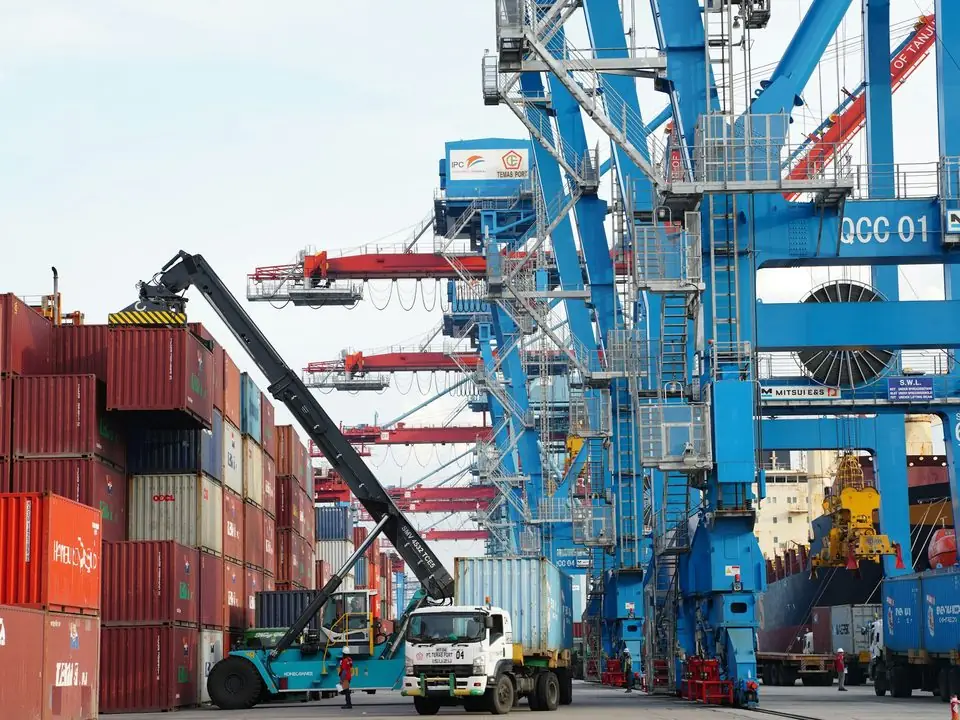
ERP software for Dubai South companies centres on services: storing, moving, fulfilling and maintaining goods for others around Al Maktoum International Airport. Firms in the Logistics District, Aviation District and Business Park need storage and handling billing from rate cards, bin-level warehouse control with barcode scanning, and aircraft parts and work orders. Odoo, Dynamics 365 and ERPNext can all support this.
Dubai South is a large master-planned district in the south of the emirate, built around Al Maktoum International Airport (DWC) and next to Expo City Dubai. Its free zone areas include a Logistics District positioned between Jebel Ali Port and the airport, an Aviation District for aircraft services and maintenance, and a Business Park for offices. ERP Software Dubai South companies look for tends to center on services, not just products: storing, moving, fulfilling and maintaining things for other businesses.
That changes what the ERP must do. A third-party logistics provider in the Logistics District earns revenue from storage per pallet per day, inbound and outbound handling, value-added services like labeling, and transport. If those charges are not captured automatically from warehouse activity, the business underbills its clients every month. A trading company in the same district, by contrast, needs classic purchasing, stock and margin control.
The Aviation District brings a different profile again: ground handlers, maintenance and repair organizations, aircraft parts suppliers and training providers. These firms track rotable parts by serial number and condition, manage work orders against tail numbers, and hold certificates for every component. A generic retail inventory module is not enough.
UAE ERP Experts implements Odoo, Microsoft Dynamics 365, ERPNext, Zoho and custom ERP for Dubai South businesses, and we travel to DWC-area sites for discovery and training. Many logistics clients pair this page with our guide to ERP for 3PL companies; operators also running sites in Jebel Ali can compare notes on our JAFZA ERP page.
These notes describe what the ERP should record. Confirm the tax treatment of your activities with your tax advisor, as the rules differ by activity and counterparty.
Logistics services are among the activities the corporate tax rules list as potentially qualifying for a Qualifying Free Zone Person, subject to the substance, audit, arm's length and de minimis conditions. Revenue from mainland clients or other activities may be treated differently. We tag each charge line by service type and client location so the split can be reviewed.
Certain aircraft leasing, maintenance and related aviation services are addressed specifically in the qualifying activity rules. Because the conditions are detailed, the ERP should keep aviation revenue in its own accounts and dimensions, rather than mixed with general trading or office income.
Whether designated zone VAT treatment applies to goods in a particular Dubai South facility depends on the Cabinet's current list and the conditions attached, so check before relying on it. Services such as storage and handling generally follow normal VAT rules, including place of supply tests for overseas clients. Separate tax codes keep the EmaraTax return traceable.
Logistics and aviation firms issuing B2B invoices fall within the UAE e-invoicing program. Large businesses go live from 1 January 2027 and others from 1 July 2027 through an Accredited Service Provider. Check the latest Ministry of Finance and FTA guidance before finalizing your plan.
General information, not tax or legal advice. Rules change; confirm current FTA, MOHRE and Ministry of Finance guidance with your advisor.
Goods arriving by sea at Jebel Ali and leaving by air from Al Maktoum International need a documented chain. This is how we map it.
One shared database: every step updates stock, finance and reports in real time.
These capabilities cover the logistics, fulfillment and aviation work that defines the district.
Storage days, pallet positions, handling moves and labeling tasks are counted from warehouse activity. Monthly invoices are generated from these counts against each client's rate card.
Clients log in to see their stock, open orders and invoices. This reduces email requests and builds trust in your numbers.
Orders from client web stores and marketplaces flow in for picking. Courier labels and tracking numbers flow back to the client's channel.
Maintenance jobs are planned against aircraft, vehicles or equipment, with parts reserved from stock. Labor and parts costs roll up into each job.
Components carry serial numbers, condition codes and certificate documents. You can see the full history of any part across repairs and installations.
Trucks, trailers and drivers are scheduled for transfers and deliveries. Fuel, Salik tolls and maintenance costs are posted against each vehicle and trip.
Profiles from the Logistics District, Aviation District and Business Park.
Further reading on logistics, fulfillment and fleet systems for UAE operators.
We configure the system for the rules UAE businesses report against, and test it before go-live.
General information, not tax or legal advice. Confirm current requirements with the FTA, MOHRE or your advisor. See all UAE compliance guides.
Nearby areas, free zones and emirates we serve from our Dubai base, alongside Dubai South.
Official sources and references
Facts on this page were checked against these sources in October 2026. Rules change, so confirm current requirements before acting.
Still have a question? Our consultants are happy to help.
Ask an ExpertOdoo and Dynamics 365 can both support storage and handling billing, usually with some configuration or an add-on for rate cards. ERPNext can do it with custom doctypes. The deciding factors are the number of clients, how complex your rate cards are, and whether clients need a portal.
For many mid-size warehouses, yes. Odoo, Business Central and ERPNext have solid warehouse features including bins, barcode scanning and wave picking. Very high-volume operations may still need a specialist WMS, in which case we integrate it with the ERP for billing and accounting.
We implement maintenance, parts and work order processes on Odoo, Dynamics 365 and custom builds. Regulated airworthiness records and specific aviation authority requirements may need a specialist MRO system, and we will tell you honestly if that is the case. The ERP then handles finance, procurement and inventory.
Salik statements and fuel card exports can be imported and matched to vehicles and trips. Costs are then posted to the right vehicle, driver or client job so profitability by route is visible.
Yes. We travel from our Dubai office for discovery workshops, warehouse walkthroughs, scanner setup and go-live. Day-to-day support is mostly remote, with site visits scheduled when needed.
A 3PL with one warehouse and standard rate cards often goes live in 10-14 weeks. Adding client portals, multiple sites or carrier integrations extends that. We confirm a hedged timeline after mapping your operations.
Related Solutions
Related Industries
Related ERP Platforms
Walk us through your warehouse or hangar and we will map the billing, stock and cost flows before recommending a platform.
Dubai, United Arab Emirates