L
O
A
D
I
N
G


Zoho, Odoo, ERPNext, Dynamics 365 and custom ERP, delivered by one accountable team.

Where your ERP runs affects cost, security, access from branches and how upgrades happen. Here is how UAE companies weigh the options.
Cloud ERP in the UAE runs on servers managed by a vendor or hosting provider and is reached through a browser or app, while on-premise ERP runs on servers the company controls. For most UAE SMEs cloud is now the default because it removes server upkeep and simplifies branch access; private cloud or on-premise suits firms needing data control, specific regulation or heavy customisation.
Cloud ERP in the UAE means the system runs on servers managed by a vendor or hosting provider and staff reach it through a browser or mobile app. On-premise means the software runs on servers you own or rent, managed by your IT team. Between the two sit options such as private cloud, where a dedicated environment is hosted for you.
For most UAE small and mid-size companies, cloud hosting is now the default, mainly because it removes server maintenance and makes access from branches, warehouses and sales staff on the road straightforward. Some organizations still prefer on-premise or private cloud for data control, specific regulatory needs or heavy customization.
This page compares those options for a UAE business: hosting choices for each platform we implement, data residency questions to put to vendors, security responsibilities, cost models and remote access. If you plan to move an existing system, see ERP cloud migration.

These are reasonable questions. Each has a practical answer, but you need to ask them before signing.
Some sectors and clients ask for data to stay in the UAE or GCC. Hosting regions differ by vendor and change over time, so availability must be confirmed in writing.
A browser-based system needs a connection. Branches and warehouses need reliable links and, for retail, POS that can keep working offline and sync later.
Vendor-hosted software updates on the vendor's schedule. Customizations must be built so they survive those updates.
Monthly fees look small but add up over years. Ownership models have their own costs in hardware, IT staff and upgrades.
If you leave a cloud vendor, you need your data back in a usable format. Few buyers check this before they sign.
Use these factors to compare cloud and on-premise options side by side for your company.
The vendor hosts, updates and backs up the system. Least IT effort, least control over timing of changes.
A dedicated environment for your company on a cloud provider, managed by a partner. More control over versions, customizations and region.
Servers in your office or data center. Full control, but you handle hardware, backups, security patches and remote access.
Which country and region the data sits in, where backups are kept, and whether you can choose.
How branches, sales teams and drivers reach the system, and what happens when connectivity is poor.
Subscription per user per month versus upfront license and hardware with annual maintenance.
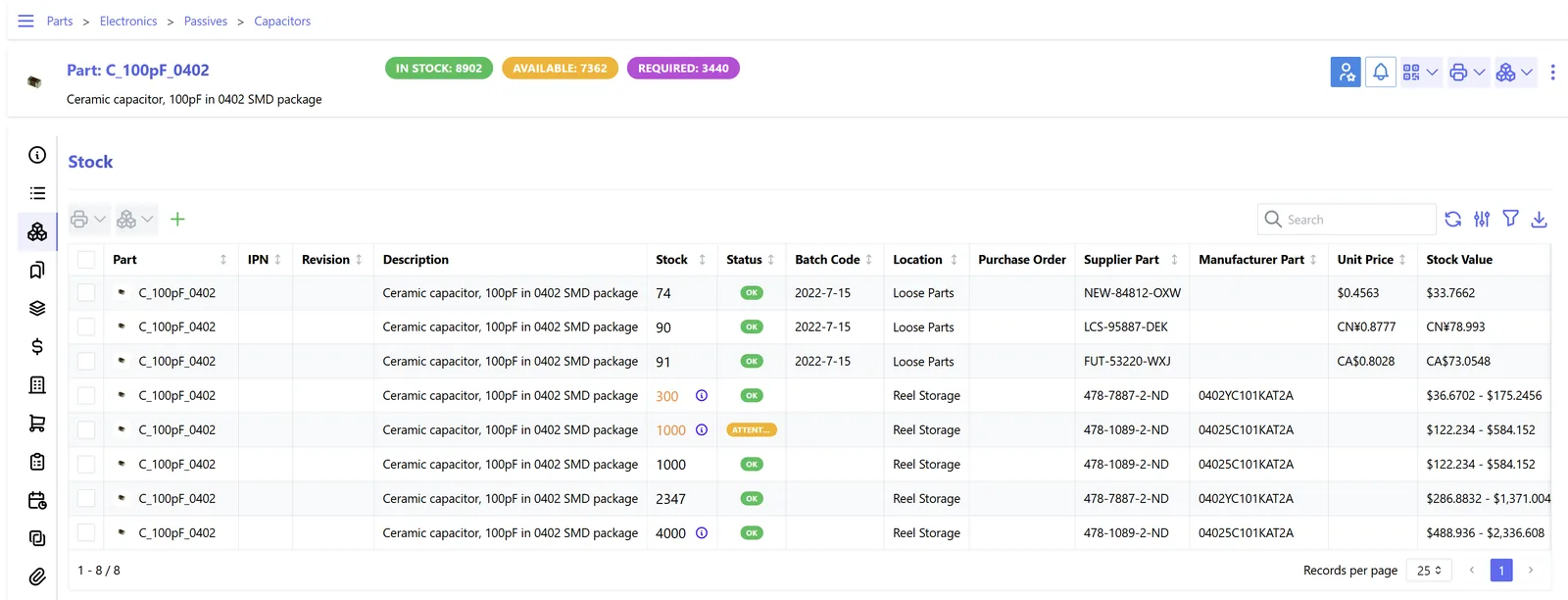
A common reason UAE companies move to cloud ERP is seeing every location in one place.
How the platforms we implement can be hosted. Region availability changes, so ask the vendor for current UAE or nearby options before you decide.
| Zoho | Odoo | ERPNext | Dynamics 365 | Custom ERP | |
|---|---|---|---|---|---|
| Public cloud | Yes, vendor-hosted only | Odoo Online | Frappe Cloud | Yes, on Microsoft cloud | On a cloud provider of your choice |
| Private or partner cloud | No | Odoo.sh or self-managed cloud server | Self-managed cloud server | Finance and Supply Chain are cloud; Business Central is also available on-premise | Yes |
| On-premise | No | Yes (Community or Enterprise) | Yes | Business Central on-premise | Yes |
| Data residency question to ask | Which data center region serves UAE accounts today? | Which region hosts Odoo Online or Odoo.sh for us? | Which region will our server or Frappe Cloud site use? | Which Azure region is our tenant in, and is a UAE region available for this product? | Which provider and region will host it? |
| Who applies updates | Vendor | Vendor on Online; you or partner elsewhere | You, partner or Frappe Cloud | Microsoft, on a release schedule | You or your developer |
| Customization freedom | Within low-code tools | Limited on Online; full elsewhere | Full | Through extensions | Full |
We do not assert specific data center locations because they change. We help you put these questions to each vendor and get written answers.
Typical phases for a UAE company choosing hosting for a new or existing ERP. Durations are ranges, not commitments.
Durations are typical ranges; your plan is agreed after discovery.
List data location needs from clients, regulators or group policy, plus branch connectivity and integrations.
Get written answers on hosting region, backups, uptime commitments, access controls and data export.
Compare five-year costs of subscription, private cloud and on-premise, including IT staff time.
Provision the environment, configure security and move data, testing performance from each branch.
Monitor backups, access logs and updates, and review costs and user counts regularly.
Hosting choice affects record-keeping and data handling. Confirm specific obligations with your legal and tax advisors.
UAE VAT and corporate tax rules require businesses to keep records for set periods. Make sure your cloud contract and export options let you retain and retrieve them for that time.
Healthcare, financial services and government-linked entities may face additional data location rules. Check with your regulator before choosing a region.
Cloud ERP will need to exchange PINT AE e-invoices through an Accredited Service Provider from 2027. Check the latest Ministry of Finance and FTA guidance.
General information, not tax or legal advice. Rules change; confirm current FTA, MOHRE and Ministry of Finance guidance with your advisor.
Benefits depend on the platform and how it is set up, but these are the ones most often reported.
Hardware, patches and backups move to the provider, freeing internal IT time.
Branches across the emirates, remote staff and field teams work in the same live system.
A new branch or warehouse needs users and settings, not new servers.
Subscription costs scale with users and are easier to budget than hardware refresh cycles.
More on cloud platforms, hosting and migration.
We configure the system for the rules UAE businesses report against, and test it before go-live.
General information, not tax or legal advice. Confirm current requirements with the FTA, MOHRE or your advisor. See all UAE compliance guides.
On-site workshops in Dubai, Abu Dhabi and Sharjah, and remote or on-site delivery across the Northern Emirates and free zones.
Official sources and references
Facts on this page were checked against these sources in October 2026. Rules change, so confirm current requirements before acting.
Still have a question? Our consultants are happy to help.
Ask an ExpertMajor cloud vendors invest heavily in security, often more than a single company could. The bigger risks are usually on the customer side: weak passwords, shared logins and excessive user rights. We set up roles, two-factor authentication where supported and access reviews as part of implementation.
It depends on the product and the vendor's current hosting regions, which change over time. Self-hosted options such as Odoo, ERPNext or Business Central on-premise give you full control over location. For SaaS products, ask the vendor for written confirmation of the region.
Usually at the start, because there is no hardware to buy. Over five or more years the comparison depends on user numbers, IT staff costs and upgrade effort. We prepare a side-by-side estimate based on your figures.
Check the export options before signing. Most platforms let you export masters and transactions, but formats vary. Keep regular exports or backups so you are never dependent on a single provider for your records.
Mobile apps and offline-capable POS help, but warehouses need reasonable Wi-Fi or mobile data for live stock updates. We review connectivity at each site during discovery.
Related Solutions
Related Industries
Related ERP Platforms
Send us your branch list and data requirements and we will outline hosting options and the questions to put to each vendor.
Dubai, United Arab Emirates