
L
O
A
D
I
N
G


Zoho, Odoo, ERPNext, Dynamics 365 and custom ERP, delivered by one accountable team.

An ERP consultant turns how your business works into how the system is set up. Knowing which kind you need, and how to brief them, saves weeks.
An ERP consultant in the UAE translates how a business quotes, buys, stores, sells, pays staff and closes its books into how the ERP is configured. Functional consultants handle process and settings; technical consultants handle code, integrations, reports and migration scripts. Businesses can engage them per project, on retainer or fractionally, and should provide a clear brief and an internal decision-maker.
An ERP consultant in the UAE sits between your team and the software. They learn how you quote, buy, store, sell, pay staff and close the books, then decide how the ERP should be configured to support those steps. Good consultants also challenge habits that only exist because the old system forced them.
The title covers two quite different jobs. A functional consultant understands accounting, inventory, sales or HR processes and configures the system through its settings. A technical consultant writes code, builds integrations, designs reports and handles data migration scripts. Most projects need both, in different proportions.
This page explains those roles, what a consultant does week by week, the engagement models available (project, retainer and fractional), and how to brief a consultant so the first conversation is productive. For firm-level consulting see ERP consulting company UAE.
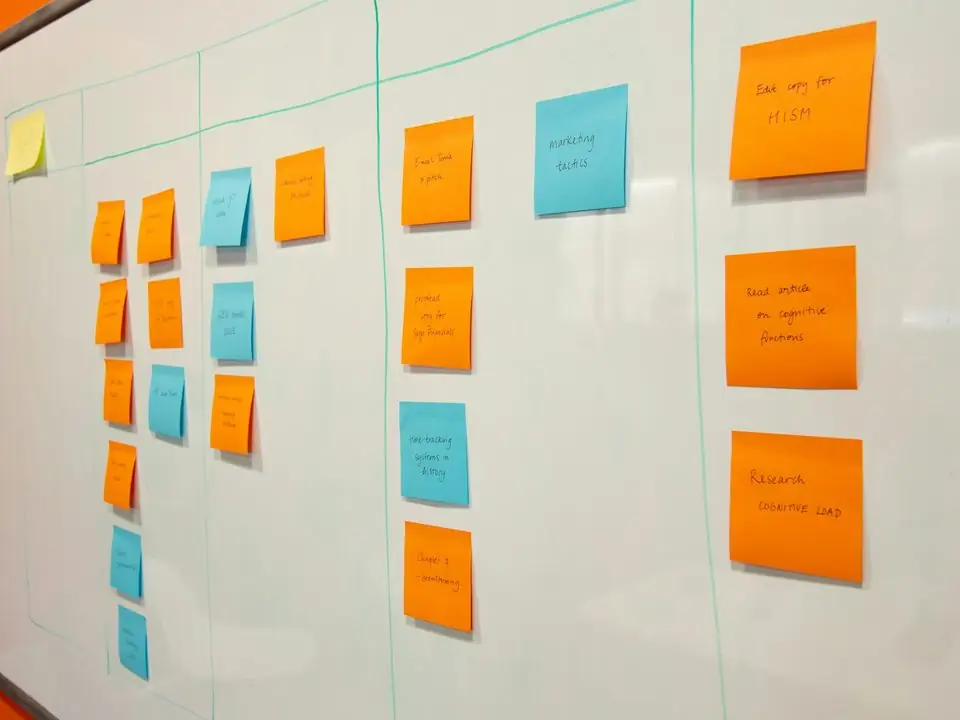
Most mismatches come from hiring the wrong kind of consultant, or giving the right one too little to work with.
When month-end takes too long because of unclear approval steps, more code rarely helps. A functional consultant would redesign the process first.
A bank integration or a marketplace sync needs someone who reads API documentation and writes tests. A functional lead may underestimate the effort.
Consultants need a decision-maker who knows the business. Without one, workshops end without answers and configuration stalls.
Paying by the hour with no defined outcome makes it hard to judge progress. Paying a fixed fee for undefined work leads to disputes.
Someone strong in one ERP may not know another's limits. Ask which platforms and versions the consultant has configured recently.
On a typical UAE project you will meet several of these roles, sometimes combined in one person.
Designs the chart of accounts, VAT codes, cost centers, bank reconciliation and month-end close steps.
Configures warehouses, units of measure, costing methods, purchase approvals and stock transfers between sites.
Sets up employee records, leave rules, salary structures, gratuity and WPS output where payroll is in scope.
Builds custom modules, scripts, reports and integrations, and writes data migration routines.
Connects the ERP to banks, e-commerce stores, POS terminals, logistics providers and, ahead of 2027, an e-invoicing service provider.
On larger or multi-entity projects, owns the overall design and makes sure finance, operations and integrations fit together.
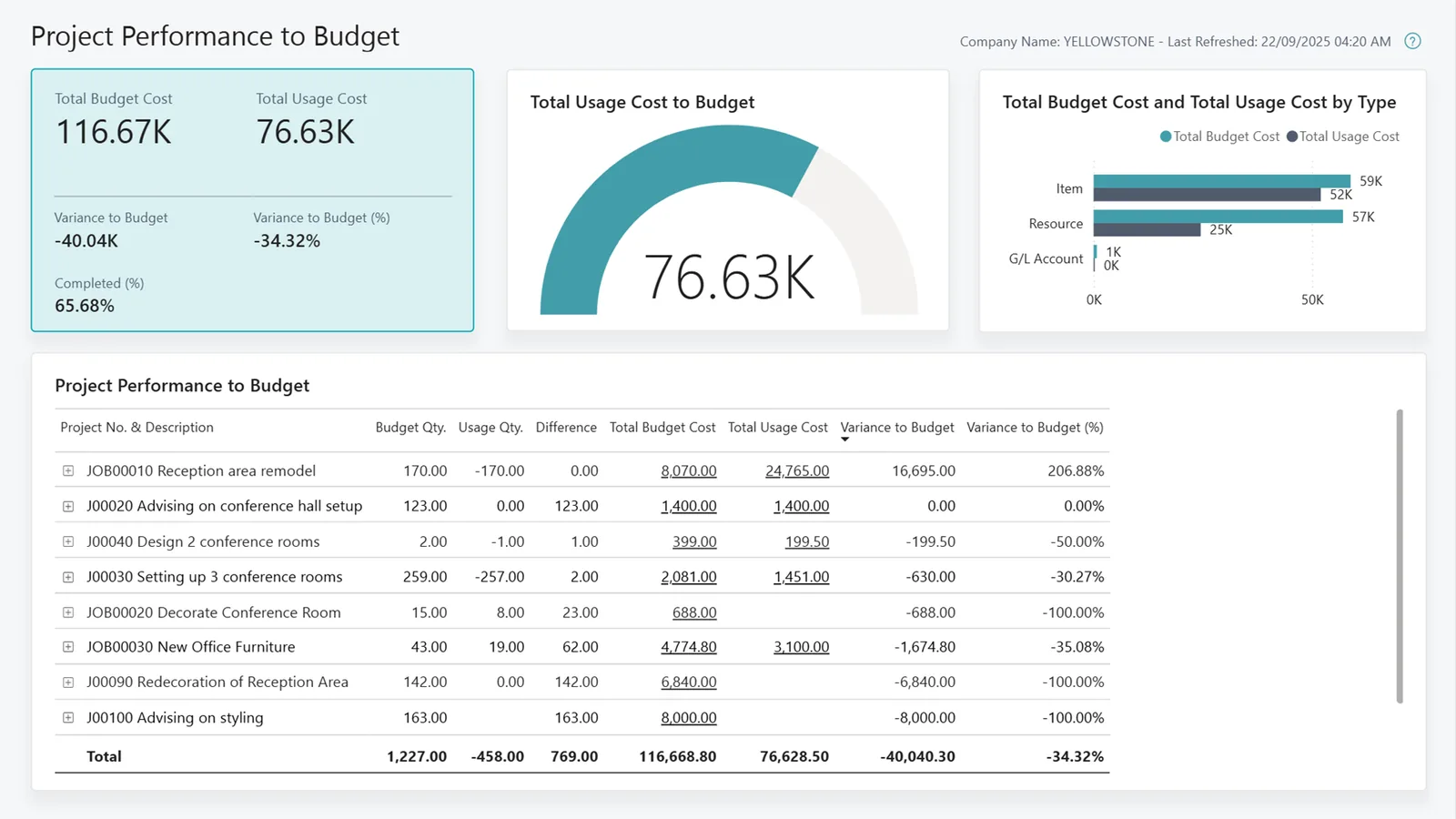
Consultants work from a requirements list that should be visible to you at any time.
Each model suits a different situation. Many UAE companies start with a project and move to a retainer after go-live.
| Project | Retainer | Fractional | |
|---|---|---|---|
| What it is | Defined scope with milestones | A fixed block of hours each month | Part-time embedded consultant, a set number of days per week or month |
| Best for | New implementation or a migration | Ongoing changes, reports and user support | Companies without an internal ERP manager |
| Pricing basis | Fixed fee per phase or time and materials | Monthly fee for agreed hours | Day rate or monthly fee |
| Who leads | Consultant, with your sponsor approving | Your team raises requests | Consultant acts as your ERP owner |
| Risk to watch | Scope creep | Unused hours or backlog building up | Knowledge sitting with one person |
| Typical length | Weeks to months | Rolling, often reviewed quarterly | Months, often until an internal hire is made |
We do not publish standard rates because they depend on platform, scope and location. Ask for a written quote.
An illustrative view of a focused implementation. Durations vary with scope; treat these as typical ranges.
Durations are typical ranges; your plan is agreed after discovery.
Interviews with finance, sales, purchasing and warehouse staff. Collect sample invoices, POs and reports. Document current and target processes.
Agree chart of accounts, VAT codes, item structure, approval rules and user roles. List gaps that need development.
Set up the system, build reports and integrations, and run the first trial data load.
Users test real scenarios such as a reverse-charge import or a branch transfer. Train key users and admins.
Load final balances, support the first VAT period and month-end close, then hand over to support.
A consultant configures the system to support compliance. Tax positions themselves should be confirmed with your tax advisor.
Tax codes for the 5% standard rate, zero-rated exports and exempt supplies, reverse charge on imported services and goods, and a return summary for EmaraTax.
Accounts and tags that help your advisor identify taxable income, the AED 375,000 threshold position, and any free zone qualifying income.
Mapping invoice data to the PINT AE fields and planning the ASP connection before the 2027 mandatory dates. Check the latest Ministry of Finance and FTA guidance.
SIF file generation for MOHRE's Wage Protection System and end-of-service calculations under Federal Decree-Law No. 33 of 2021.
General information, not tax or legal advice. Rules change; confirm current FTA, MOHRE and Ministry of Finance guidance with your advisor.
The quality of your brief shapes the quality of the outcome.
Sample documents and a named sponsor let the consultant move from questions to design quickly.
A functional lead who understands the process often finds a standard feature where you expected code.
Every requirement has a status, so you can see what is done and what is waiting on you.
Documented configuration and admin training reduce reliance on any one consultant.
Platform-specific consultants and related consulting services.
We configure the system for the rules UAE businesses report against, and test it before go-live.
General information, not tax or legal advice. Confirm current requirements with the FTA, MOHRE or your advisor. See all UAE compliance guides.
On-site workshops in Dubai, Abu Dhabi and Sharjah, and remote or on-site delivery across the Northern Emirates and free zones.
Official sources and references
Facts on this page were checked against these sources in October 2026. Rules change, so confirm current requirements before acting.
Still have a question? Our consultants are happy to help.
Ask an ExpertSend a one-page summary of the business, entity and branch list, user count by department, current systems, the three biggest pain points, sample invoices and purchase orders, and the reports management uses. Name the person who can make decisions. This gives the first meeting real substance.
If the problem is how work flows, approvals or reports, start functional. If the problem is a missing integration, custom document or data migration, you need technical skills. Most implementations use both.
A consultant who works part-time as your in-house ERP owner, handling requests, small changes, user questions and vendor coordination. It suits companies that are too small for a full-time ERP manager but too dependent on the system to leave it unmanaged.
Much of the configuration and support work is done remotely. Discovery workshops, training and go-live usually benefit from being on-site. We are based in Dubai and visit clients across the emirates as needed.
Zoho, Odoo, ERPNext, Microsoft Dynamics 365 and custom ERP. We do not provide consultants for SAP or NetSuite, though we can help you migrate from them.
Related Solutions
Related Industries
Related ERP Platforms
Send us your brief and we will suggest the right consultant profile and engagement model.
Dubai, United Arab Emirates