
L
O
A
D
I
N
G


Zoho, Odoo, ERPNext, Dynamics 365 and custom ERP, delivered by one accountable team.

We set up back-office ERP for UAE travel agencies so every ticket, hotel voucher and visa service lands in accounts with its cost, markup, commission and VAT.
A UAE travel agency needs a back-office ERP that turns each booking file of tickets, hotel vouchers, visas, insurance and packages into accounting entries: customer sale, supplier cost, and the markup or commission between them, with the correct VAT treatment. GDS and BSP data should be imported and reconciled, and customer credit limits checked before issue. The booking engine or GDS still handles search and ticketing.
A UAE travel agency might issue airline tickets through a GDS, book hotels through bed banks, arrange visas, sell insurance and package holidays, all in one booking for one customer. Each component has a different supplier, a different settlement cycle and sometimes a different VAT treatment. ERP for travel agencies UAE is about turning that booking file into accounting entries automatically: sale to the customer, cost from the supplier, the margin or commission in between, and the tax on the right amount.
Booking tools are good at searching and issuing. Accounting tools are good at ledgers. The gap is the middle office: matching issued tickets to BSP billing, catching refunds and reissues, tracking supplier deposits, chasing corporate clients on credit, and making sure staff do not issue on credit for customers who are already over their limit. That middle office is where agencies lose money quietly, and it is the focus of this page.
We cover agencies that sell outbound travel to UAE residents and corporate travel desks. Inbound tour operators and destination management companies have a different operating model, which we describe on our ERP for tourism companies page.

Most agencies we speak to recognise at least three of these.
Matching each billing period's airline sales, refunds and memos against issued tickets is often done in spreadsheets. Unmatched ADMs and refunds can sit unnoticed until they become a loss.
A ticket that is changed twice and partly refunded creates several documents. If the accounting system does not link them to the original booking, profit per file is wrong.
Corporate clients book on credit, and agents under pressure issue tickets regardless of outstanding balances. Without a credit check at issue, receivables grow faster than sales.
Hotel bed banks, consolidators and visa service providers often need deposits or top-ups. Tracking what is consumed and what remains is hard without supplier sub-ledgers.
International flights, local hotels, visa services and agency service fees can each be treated differently. Staff applying tax codes by memory produce messy returns.
Each step links back to the same booking file so profit and tax are traceable.
One shared database: every step updates stock, finance and reports in real time.
The core is finance and sales, supported by integrations and reporting.
One file per trip that holds passengers, segments, hotels, visas and services, with sale and cost per line.
Issued tickets, refunds and voids brought in from GDS reports or interfaces instead of typed by hand.
Billing files compared with issued documents, with mismatches listed for the ticketing team to resolve.
Corporate accounts with credit limits, statements, aging and automated reminders.
Deposits, top-ups and consumption tracked per supplier, from airlines and consolidators to bed banks.
Enquiries, follow-ups and quotations for leisure and corporate clients, linked to the booking file once confirmed.
Airline incentives, supplier commissions and agent targets tracked against actual sales.
Supplier invoices in USD, EUR or other currencies converted with exchange differences posted correctly.
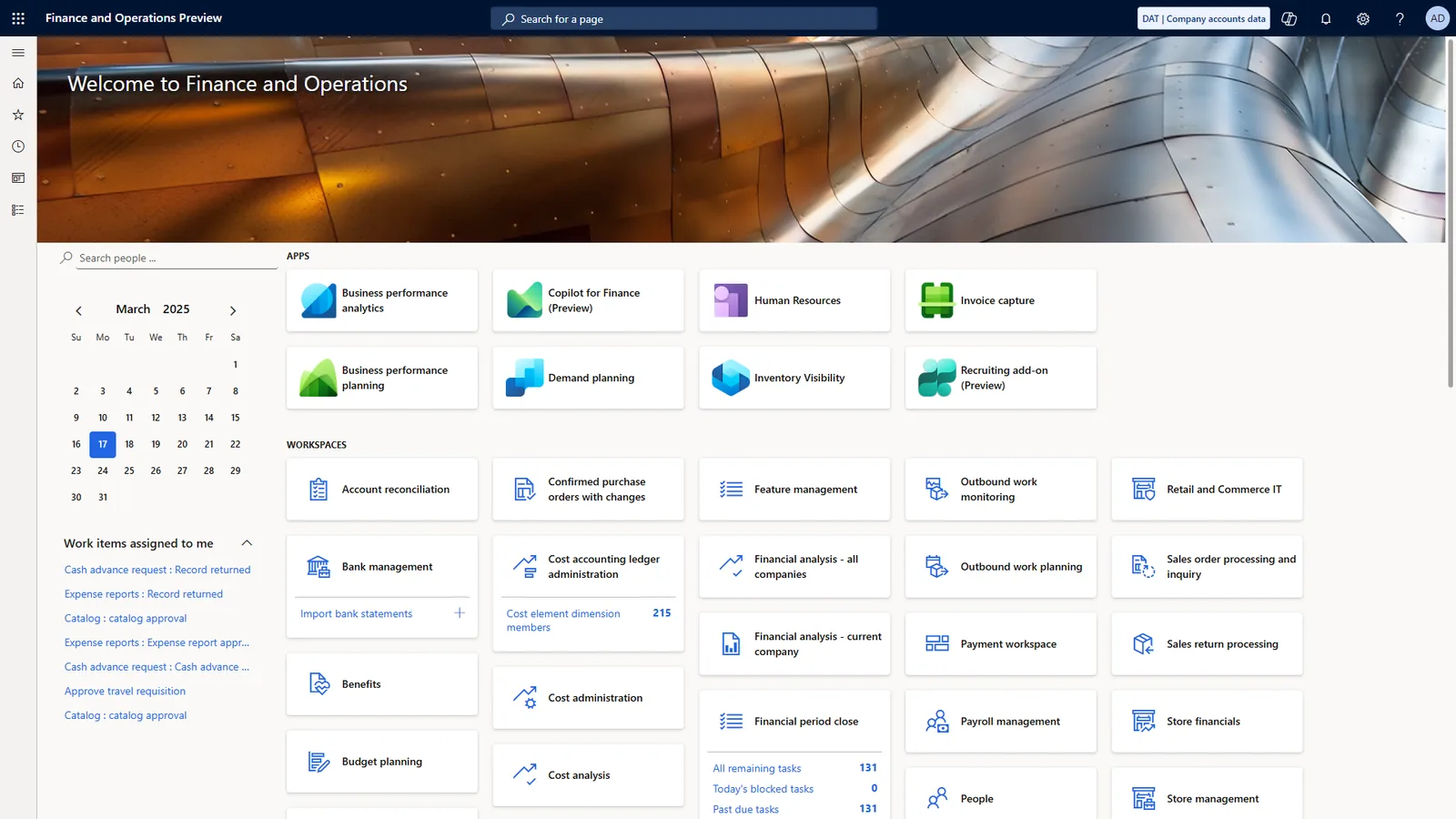
A single screen for the owner and finance manager, refreshed from posted transactions.
We implement Zoho, Odoo, ERPNext, Microsoft Dynamics 365 and custom ERP. Travel agencies usually need some custom booking-file logic on any platform.
| Agency profile | Often a good fit | Why |
|---|---|---|
| Small leisure agency, one branch | Zoho Books with Zoho CRM | Quotations, invoicing and VAT with light customization for booking references. |
| Mid-size agency with corporate accounts | Odoo with booking file extensions | CRM, invoicing, credit control and supplier ledgers in one system, with custom ticket imports. |
| Agency that wants to own its code | ERPNext with a custom travel app | Open-source accounting with a doctype for booking files and BSP reconciliation built to fit. |
| Multi-branch or GCC agency group | Microsoft Dynamics 365 Business Central | Multi-company, multi-currency and approval controls, with integrations from the booking engine. |
| Agency with its own booking platform | Custom ERP | Back office built around your existing booking system and data model. |
Specialist travel back-office products also exist. We compare them honestly where they may suit you better.
We configure tax codes and documents to support these rules. VAT for travel is technical, so confirm your treatments with a tax advisor.
Whether you act as an agent or as a principal for each product changes what VAT is charged on: the full price or only your fee or margin. The ERP needs separate products and tax codes for each case.
International passenger transport and related services may be zero-rated, while local hotel stays and agency service fees are generally standard-rated at 5%. Your advisor should confirm each product's code.
Invoices need your TRN and prescribed fields, and records must be kept for the required period. The ERP stores invoices with their booking file for audit.
Invoices to corporate customers will move to the PINT AE e-invoicing model via an Accredited Service Provider from 2027, depending on revenue. Check the latest Ministry of Finance and FTA guidance.
General information, not tax or legal advice. Rules change; confirm current FTA, MOHRE and Ministry of Finance guidance with your advisor.
These depend on clean booking data, but they are the outcomes owners aim for.
Every booking shows sale, cost and margin after reissues, refunds and commissions.
Automated matching leaves the team to investigate only the exceptions.
Credit limits checked at issue reduce overdue corporate balances.
Product-based tax codes replace manual choices by booking staff.
Ranges are typical; GDS and booking engine integrations affect the schedule most.
Durations are typical ranges; your plan is agreed after discovery.
Products, suppliers, GDS outputs, BSP process and VAT treatments mapped with your finance team.
Booking file structure, products, tax codes, credit rules and supplier ledgers set up.
Ticket imports, BSP files and supplier statements connected and tested with live data.
Agents and accounts move to the new process, ideally at the start of a BSP period.
Help with first reconciliations, VAT return and month-end close.
Industry, CRM and finance pages that travel agencies often read next.
We configure the system for the rules UAE businesses report against, and test it before go-live.
General information, not tax or legal advice. Confirm current requirements with the FTA, MOHRE or your advisor. See all UAE compliance guides.
On-site workshops in Dubai, Abu Dhabi and Sharjah, and remote or on-site delivery across the Northern Emirates and free zones.
Official sources and references
Facts on this page were checked against these sources in October 2026. Rules change, so confirm current requirements before acting.
Still have a question? Our consultants are happy to help.
Ask an ExpertIn most cases, yes, through the GDS's reporting outputs or an interface. We review what your GDS setup provides and build the import around it.
Yes. The ERP is the back office. Your booking engine or GDS handles search and issue, and the ERP handles accounting, reconciliation and credit control.
Each is linked to the original ticket and booking file, so the customer balance, supplier balance and margin all update together.
Yes. The ERP can warn or block when a booking would push a customer over their limit or when invoices are overdue.
Yes. We do not implement those products, but we migrate customers, suppliers and opening balances from them into the new ERP.
Yes. We are based in Dubai and support agencies in every emirate on-site and remotely.
Related Solutions
Related Industries
Related ERP Platforms
Related Guides
Talk to us about connecting your booking tools to a travel agency back office.
Dubai, United Arab Emirates