
L
O
A
D
I
N
G


Zoho, Odoo, ERPNext, Dynamics 365 and custom ERP, delivered by one accountable team.

When a supplier recalls a lot or a customer complains about one carton, you need to know where every unit of that batch went. An ERP that records batches at every movement makes that a report, not a week of searching through delivery notes.
ERP batch tracking records a lot number against every unit as it is received, inspected, moved, sold or returned, so a recall becomes a single forward-trace report listing each customer, delivery note and quantity. UAE food, pharmaceutical, cosmetics, chemical and building-material traders use it with QC quarantine holds and GS1 labels in Zoho Inventory, Odoo, ERPNext or Dynamics 365.
An ERP for batch tracking in the UAE records a lot or batch number against every unit of stock as it is received, produced, moved, sold or returned. A batch groups units made or packed together: the same production run of yogurt, the same lot of paint from a factory in Turkey, the same consignment of surgical gloves. Because the units share a history, they share a risk, and when something goes wrong with one, you need to find all of them.
Most UAE trading companies we meet start batch tracking on paper. The storekeeper writes the lot number on the GRN, the sales team never sees it, and the delivery note leaves the warehouse without it. When a supplier in China or India issues a recall notice for lot 24B-117, finance has invoices, the warehouse has a stock card, and nobody can say which twelve customers received that lot. Food, pharmaceutical, cosmetics, chemical and building-material businesses feel this most, especially those that receive full containers through Jebel Ali and split them across several customers, a flow that pairs well with container tracking in the ERP.
This page covers the batch process itself: capture, quality hold, movement, sale and trace. Date-driven questions, such as alerts before stock expires, are covered on our expiry date tracking page, and unit-level tracking of high-value items is covered under serial number tracking. Both sit within the wider ERP inventory and warehouse processes section.
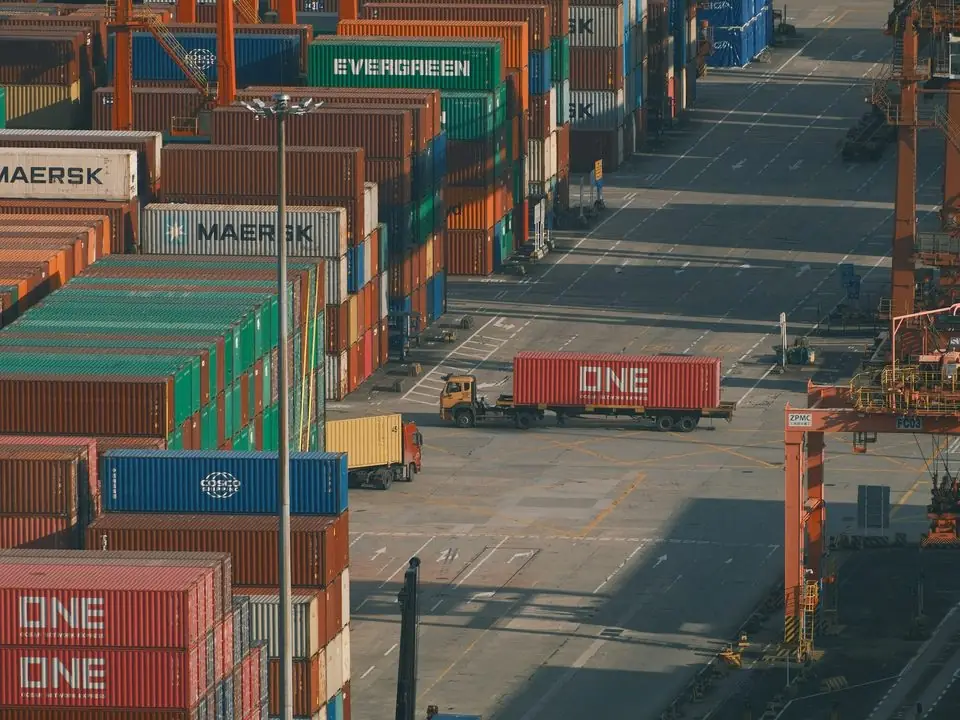
These are the patterns we see in UAE warehouses that handle lot-controlled goods without proper system support.
The receiving clerk records the batch, but sales orders, pick lists and delivery notes only show the item code. The link between a lot and a customer is lost the moment the goods leave the shelf.
When a manufacturer or a health or food safety authority asks which customers received a lot, staff search through scanned delivery notes and WhatsApp photos. Some customers are missed, and the business cannot prove the recall was complete.
Containers often arrive with two or three lots of the same SKU mixed on pallets. Without batch-level putaway, pickers pull whichever carton is nearest and stock records stop matching the shelf.
Goods waiting for a lab certificate or a supplier COA are 'kept aside' with a handwritten sign. Sales can still allocate them because the system shows them as available.
When a batch is defective, the supplier asks for the lot, quantity received, quantity sold and quantity returned. Assembling that from spreadsheets weakens the claim and delays the credit note.
The goal is to enter the batch number once, at the point the goods enter your control, and let every later document inherit it.
One shared database: every step updates stock, finance and reports in real time.
Batch control touches more than the inventory app. These are the modules we configure together.
A 'batch tracked' flag per item, batch naming rules (supplier lot or internal series) and whether manufacturing and expiry dates are mandatory.
Batch numbers captured on the GRN line, with one GRN line split across several lots when a delivery contains more than one.
Inspection on receipt, attached certificates of analysis and a release step that moves the batch from quarantine to available.
Locations hold stock by item and batch, so a putaway or transfer records which lot moved where.
Pick lists suggest batches according to your rule and the delivery note prints the lot numbers the customer received.
Component batches consumed in a work order are linked to the finished-goods batch produced, giving full genealogy.
Customer returns are received against the original lot so you can see whether complaints cluster around one batch.
Batch-wise stock, lot trace, batch movement history and supplier batch quality reports.
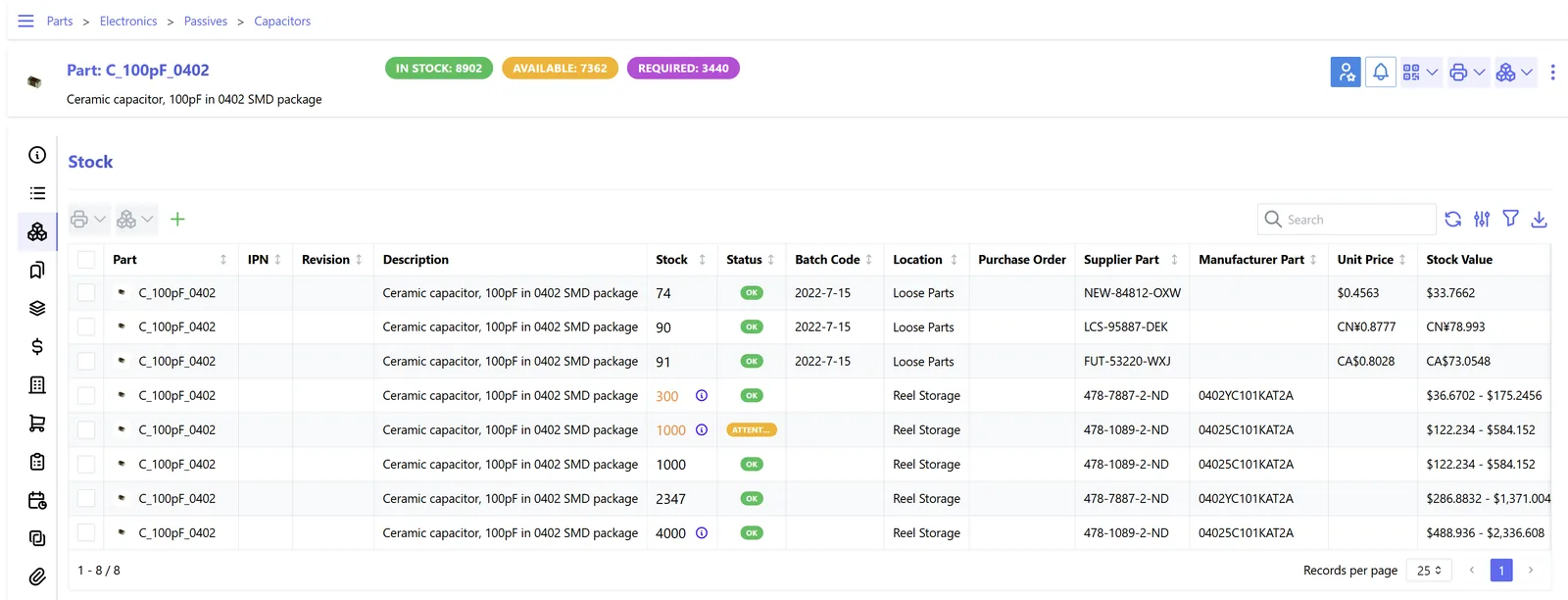
A batch-aware inventory dashboard shows where each lot is, what is blocked and what is waiting for release.
All four platforms we implement support lot control. The differences are in genealogy depth, QC status handling and how much setup is needed. Feature names change between releases, so confirm details for your edition.
| Zoho | Odoo | ERPNext | Dynamics 365 | |
|---|---|---|---|---|
| Batch per item | Batch tracking enabled per item in Zoho Inventory | Lots enabled per product in Odoo Inventory | 'Has Batch No' flag on the Item | Lot or batch tracking via item tracking codes (Business Central) or tracking dimensions (Supply Chain Management) |
| Capture at receipt | Batch entered on the purchase receive | Lot entered or generated on the receipt operation | Batch created on Purchase Receipt or Stock Entry | Lot assigned on the receipt line or warehouse receipt |
| QC hold | Usually handled with a separate warehouse or custom status | Quality app (Enterprise) or a quarantine location | Quality Inspection linked to receipt; hold via a separate warehouse | Quality and blocking features vary by product; Supply Chain Management offers batch disposition codes |
| Manufacturing genealogy | Limited; Zoho Inventory is distribution-focused | Component and finished lots linked in Manufacturing | Batches consumed and produced on Stock Entry (Manufacture) | Item tracing across production orders |
| Trace report | Batch details and transaction history per batch | Traceability report per lot (upstream and downstream) | Batch-wise ledger and stock ledger filtered by batch | Item Tracing page in Business Central; batch tracing in Supply Chain Management |
| Best fit | Distributors with simple lot needs | Distributors and light manufacturers needing full trace | Cost-conscious traders and manufacturers wanting control | Larger or multi-entity groups with complex supply chains |
Capabilities depend on edition, version and configuration. We confirm them in a demo against your own items.
Batch numbers often arrive from outside the ERP. These are the connections we typically set up, starting with an ERP barcode integration so lots are scanned rather than typed.
Batch tracking is mainly an operational control, but it supports several UAE obligations. Confirm specifics with the relevant authority or your advisor.
Food safety regulators such as Dubai Municipality and ADAFSA, and the health authorities that regulate medicines and medical products, expect importers and distributors to trace and withdraw affected lots. Lot-level delivery records are the evidence, which is why batch control is central to ERP for food distribution.
Import declarations, certificates of origin and supplier invoices for each consignment can be attached to the batches they created, which helps when Dubai Customs or another emirate's customs authority queries a shipment.
Tax invoices are unaffected by batches, but credit notes for recalled or returned lots must follow VAT rules. Keep tax records for at least five years (seven for real estate); confirm with your tax advisor.
Where batches are excise goods such as sweetened drinks or energy drinks, linking lots to designated zone movements helps reconcile excise stock. See our excise tax ERP guidance and confirm with your advisor.
General information, not tax or legal advice. Rules change; confirm current FTA, MOHRE and Ministry of Finance guidance with your advisor.
We do not quote percentages; results depend on your starting point. These are the benefits teams usually notice.
A forward trace lists every customer, delivery note and quantity for the affected lot.
Quarantined batches are not available to pick until QC releases them.
Received, sold, returned and remaining quantity per lot is available as evidence.
Counts by item and batch show mixed-lot errors that item-only counts hide.
Durations are typical ranges for a focused rollout and depend on item count, number of warehouses and data quality.
Durations are typical ranges; your plan is agreed after discovery.
Decide which items are batch tracked, how lots are named, and which dates are mandatory.
Set item flags, receipt screens, QC statuses, picking rules and label formats.
Count stock by lot and load opening balances per batch and location.
Configure handhelds and test GS1 or internal batch labels end to end.
Go live, then run a mock recall to prove the trace report works.
We configure the system for the rules UAE businesses report against, and test it before go-live.
General information, not tax or legal advice. Confirm current requirements with the FTA, MOHRE or your advisor. See all UAE compliance guides.
On-site workshops in Dubai, Abu Dhabi and Sharjah, and remote or on-site delivery across the Northern Emirates and free zones.
Official sources and references
Facts on this page were checked against these sources in October 2026. Rules change, so confirm current requirements before acting.
Still have a question? Our consultants are happy to help.
Ask an ExpertA batch identifies a group of units made or packed together, so many units share one number. A serial number identifies one single unit. Pharmaceuticals and food are usually batch tracked, while laptops and machines are serial tracked.
Use the supplier's lot when you sell the goods unchanged, because recalls from the manufacturer reference it. Create internal batches when you repack, blend or produce, and link them to the source lots.
Yes. All four platforms let you split a received quantity across lots. Scanning each carton's GS1 label at receipt is the most reliable way to do this at volume; our goods receipt page covers the full GRN process.
No. Enable it where traceability matters: food, medicines, cosmetics, chemicals and goods with warranty or quality risk. Fasteners or packaging material often do not need it.
Run a physical count by batch before go-live. Where the lot is unknown, use a dated 'legacy' batch so the stock is visible but clearly separated from properly traced lots.
Manual typing does. Barcode scanning of lot labels at receipt and picking keeps the speed close to item-only handling while adding full traceability.
Related Solutions
Related Industries
Related ERP Platforms
We will review your receiving, picking and delivery documents and show how batch tracking would work on your preferred platform.
Dubai, United Arab Emirates










