L
O
A
D
I
N
G


Zoho, Odoo, ERPNext, Dynamics 365 and custom ERP, delivered by one accountable team.

Dubai Industrial City hosts full-scale plants in food, metals, chemicals and machinery. We implement ERP built around production planning, quality and plant maintenance.
Dubai Industrial City, UAEOn-site and remote ERP support
An ERP company for Dubai Industrial City needs real manufacturing experience, because plants there in food, metals, chemicals and machinery need production planning, quality and plant maintenance, not just invoicing. UAE ERP Experts travels from Dubai for full-day plant sessions planned around shifts and shortlists Odoo, ERPNext and Dynamics 365 based on BOM depth, capacity planning and batch costing needs.
Choosing an ERP company in Dubai Industrial City is different from choosing one for an office or a trading warehouse. The district, in the Saih Shuaib area near Al Maktoum International Airport and Jebel Ali Port, is built for manufacturing at scale: food and beverage plants, base metals and steel processors, chemical and plastics producers, and machinery and equipment makers. Their ERP has to plan production, control quality and keep machines running, not just post invoices.
That means your ERP partner needs genuine manufacturing experience. Ask how they model multi-level bills of materials, how they handle by-products and scrap, how they schedule work centers across shifts and how they link quality checks to batches. If the answers are vague, the project will drift into spreadsheets. Our manufacturing ERP page covers the core modules in more detail.
UAE ERP Experts is based in Dubai. Because Dubai Industrial City sits on the southern edge of the emirate, we plan on-site time in full-day blocks: process mapping on the production floor, BOM validation with your engineers, and training per shift. Between visits, configuration, testing and support continue remotely. We implement Odoo, ERPNext, Microsoft Dynamics 365, Zoho and custom ERP, and for most plants the shortlist is Odoo, ERPNext or Dynamics 365 Business Central.
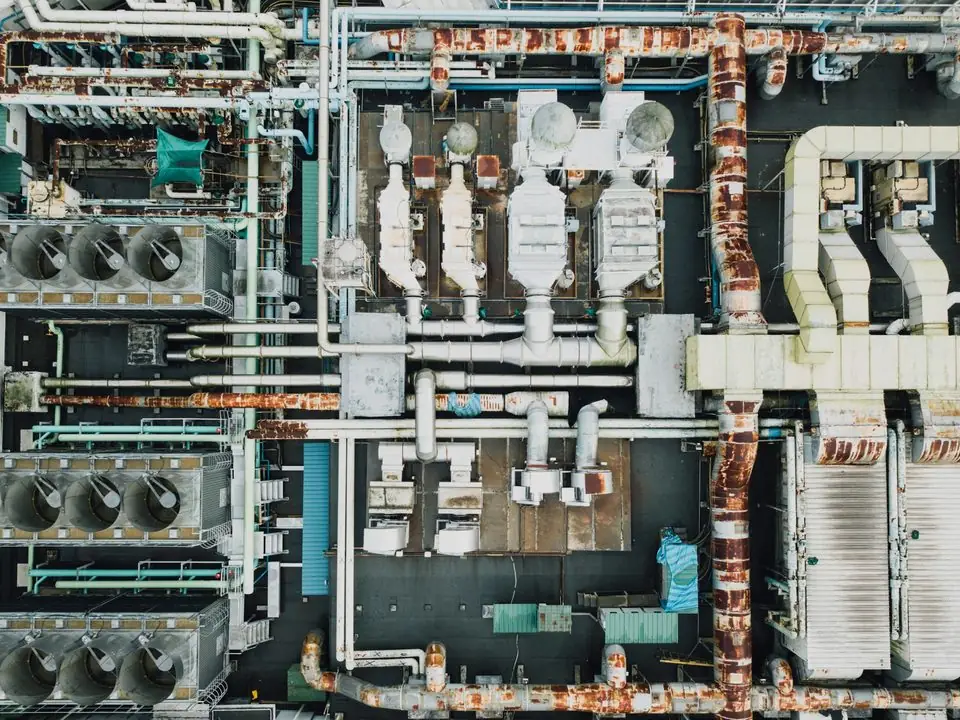
These are the sectors we most often see in and around the district, and the nearby hubs our clients ship through.
Plants here usually start with an accounting package plus spreadsheets. These are the pressure points that push them to a full ERP.
Planners juggle sales orders, raw material arrivals and machine availability on a board or a shared sheet. One late shipment of resin or steel coil reshuffles the whole week.
Energy, labor, scrap and yield losses are absorbed into a monthly average. Pricing decisions are made without knowing which products actually make money.
In-process checks, lab results and non-conformance reports sit in binders or separate files. Linking a customer complaint back to a raw material lot takes days.
Machines are fixed when they break (a gap that maintenance management software closes), spare parts are bought in a hurry and downtime is not measured. Planned maintenance exists only on paper.
Packing lists, certificates of origin details and commercial invoices are retyped from the sales order. Errors cause delays at the port.
Auditors ask for traceability from finished goods to supplier lots within hours. Without batch tracking, the team scrambles to rebuild the trail.
Put these six tests to every ERP company you shortlist for your Dubai Industrial City plant. We expect to be tested on them too.
Ask them to walk through a multi-level BOM with by-products and scrap from your own product range. We run this exercise in discovery.
Good MRP considers work center capacity and shifts, not only stock. We configure routings and work centers to match your lines.
Quality checks should be triggered at receipt, in process and before dispatch, and linked to lots. We set check points with your QA team.
Preventive schedules, breakdown requests and spare parts should live in the same ERP as production. We include maintenance where the platform supports it.
Ask how material, labor, overhead and scrap roll into a batch cost. We show the calculation before go-live so finance trusts it.
Training night-shift operators by video rarely works. Our Dubai team schedules on-site sessions across shifts.
A starting view of where each platform usually fits a manufacturing profile. We confirm this after process mapping at your plant.
| Manufacturing profile | Often a good fit | Why |
|---|---|---|
| Food and beverage processing | Odoo or Dynamics 365 Business Central | Batch and expiry tracking, quality checks and recall traceability tied to production orders. |
| Steel processing or metal fabrication | ERPNext or Odoo | Weight and length units, cut-to-size, scrap tracking and job costing. |
| Chemicals and plastics | Odoo or ERPNext | Formula-style BOMs, by-products, lot tracking and quality testing. |
| Machinery and equipment assembly | Dynamics 365 Business Central or Odoo | Multi-level BOMs, serial numbers, project-based assembly and after-sales service. |
| Multi-plant industrial group | Dynamics 365 Business Central or Finance and Supply Chain | Several plants and legal entities with group reporting and Microsoft 365 links. |
| Highly specialized process | Custom ERP or ERPNext | Where standard routings cannot represent the process, a tailored build on an open framework can. |
Compare the two most common manufacturing choices on our ERPNext vs Odoo for manufacturing page.
Manufacturing projects take longer than trading rollouts. These ranges are typical for a single plant and should be read as estimates.
Durations are typical ranges; your plan is agreed after discovery.
On-site sessions covering receiving, stores, production lines, QA, maintenance and dispatch.
Engineers and finance agree BOM structures, work centers, cost rollups and quality check points.
System built remotely; items, BOMs, routings, assets and open orders loaded and verified.
One product line runs in the ERP alongside the old method so planners and supervisors can compare.
All lines move to the ERP with on-site support at shift changes and remote follow-up through month-end.
Manufacturing, quality and maintenance pages that Dubai Industrial City plants often read next.
We configure the system for the rules UAE businesses report against, and test it before go-live.
General information, not tax or legal advice. Confirm current requirements with the FTA, MOHRE or your advisor. See all UAE compliance guides.
Nearby areas, free zones and emirates we serve from our Dubai base, alongside Dubai Industrial City.
Official sources and references
Facts on this page were checked against these sources in October 2026. Rules change, so confirm current requirements before acting.
Still have a question? Our consultants are happy to help.
Ask an ExpertWe are based in Dubai and travel to Dubai Industrial City for planned on-site sessions, usually as full days at your plant. Configuration and most support are delivered remotely. We do not claim an office in the district.
Food plants usually need batch and expiry tracking, quality checks and fast recall traceability. Odoo and Dynamics 365 Business Central both handle this well, and ERPNext can too for simpler operations. We recommend after mapping your process.
Yes, the main manufacturing ERPs support work centers, routings and capacity planning. How detailed you go depends on your data quality, so we often start with materials planning and add capacity scheduling once routings are reliable.
Odoo and ERPNext include maintenance features, and Dynamics 365 can be extended for it. We set up equipment records, preventive schedules and breakdown requests linked to spare parts stock.
For a single plant, often 3-6 months depending on product range, data quality and how many processes are in scope. A pilot on one line usually reduces risk before full go-live.
The ERP can apply zero-rating to qualifying exports and reverse charge on imports, with records kept for the FTA. The correct treatment depends on your goods and evidence, so confirm it with your tax advisor.
Related Solutions
Related Industries
Related ERP Platforms
Call +971 55 145 3265 or email contact@uaeerpexperts.com to schedule an on-site session at Dubai Industrial City.
Dubai, United Arab Emirates