L
O
A
D
I
N
G


Zoho, Odoo, ERPNext, Dynamics 365 and custom ERP, delivered by one accountable team.

In FMCG, the money is often lost after the sale: promotions, listing fees, returns and expired stock. An ERP that tracks trade spend shows where it goes.
An ERP for FMCG companies in the UAE should control trade spend between the price list and cash received: promotions, listing fees, display rentals, rebates, damaged goods and expired returns. It must handle modern trade with hypermarkets and supermarket chains alongside traditional trade with groceries, including free-goods schemes, batch and expiry tracking, and sell-in versus sell-out reporting for demand planning.
An ERP for FMCG companies in the UAE is about controlling everything that happens between the price list and the cash that actually arrives. Brands and brand owners selling snacks, personal care, household cleaning and beverages into UAE hypermarkets, supermarket chains, cooperatives and thousands of groceries face a long list of deductions: promotional discounts, listing fees, display rentals, gondola ends, rebates, damaged goods and expired returns.
Two very different channels run side by side. Modern trade means negotiated annual agreements with large chains, purchase orders through retailer portals and deductions taken straight from payments. Traditional trade means smaller groceries served by salesmen or distributors, with schemes such as buy ten cartons get one free. An FMCG ERP needs to handle both without mixing up the economics.
We implement FMCG operations on Zoho, Odoo, ERPNext and Dynamics 365 Business Central. If your main challenge is route-to-market logistics rather than trade spend, start with our ERP for distribution companies page. If you manufacture as well, see ERP for food manufacturing.
These are the problems FMCG finance and sales teams raise most when we start a project.
Large retailers deduct promotional support, penalties and returns from their payments. Without agreement terms in the system, finance struggles to match deductions to anything approved.
Promotion budgets are tracked in sales team spreadsheets while the cost shows up in finance months later. Nobody sees whether a promotion paid for itself.
Short shelf-life products come back from retailers close to or past expiry. If expiry dates are not tracked by batch, the brand cannot spot which lines or customers cause the losses.
Ordering from overseas factories needs months of lead time. Without sell-out data and seasonal patterns such as Ramadan and back-to-school, stock either runs out or piles up.
Free-goods schemes in traditional trade get applied differently by each salesman. Some customers receive more than agreed while others complain they were left out.
The ERP links each promotion to the orders it affects and the deductions that settle it.
One shared database: every step updates stock, finance and reports in real time.
FMCG projects combine standard order and stock modules with trade spend and planning tools.
Plan promotions by customer and period, reserve budget, and track committed against actual spend.
Store listing fees, rebates, display charges and payment terms per chain so deductions can be validated.
Rules for buy-X-get-Y, slab discounts and bundle offers applied automatically on orders.
Every carton linked to a batch and expiry date, with first-expiry-first-out picking.
Forecasts built from sales history, seasonality and promotions to drive purchase or production plans.
Match retailer deductions to agreements and promotions, and raise disputes for anything unapproved.
Store visits, shelf photos, stock checks and competitor pricing captured from a phone.
Sell-in, sell-out where available, and promotion uplift reports by SKU, chain and emirate.
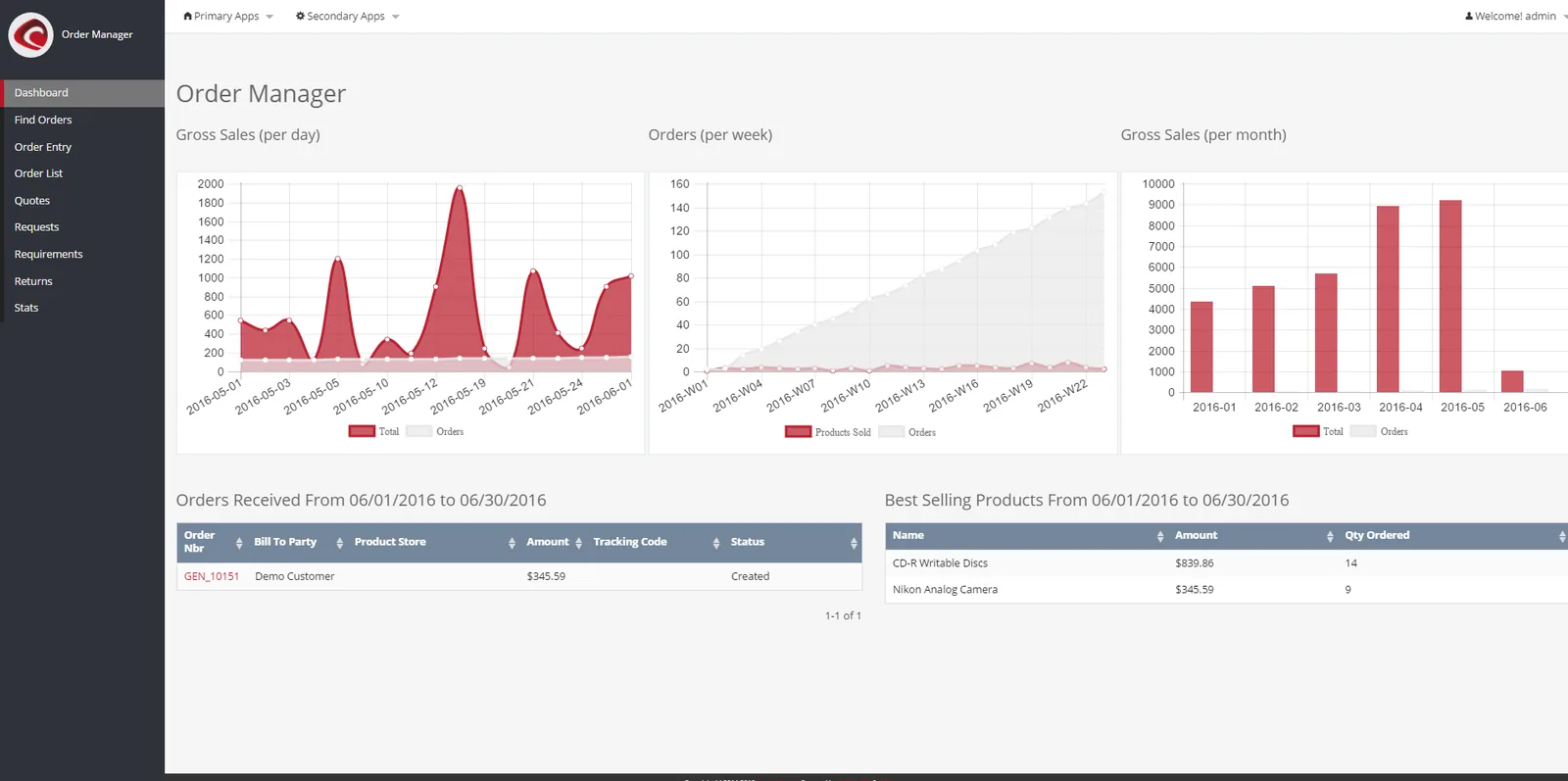
Commercial managers need sales, trade spend and expiry risk on one page.
FMCG businesses range from a single imported brand to multi-brand groups. Platform fit follows that range.
| FMCG profile | Platform we often suggest | Consideration |
|---|---|---|
| Start-up brand selling to a few chains | Zoho Books, Zoho Inventory and Zoho CRM | Fast to run; trade promotion tracking is usually built in Zoho Creator or kept simple. |
| Growing brand owner with modern and traditional trade | Odoo | Sales, inventory with expiry, and loyalty or discount rules in one system; promotions need careful design. |
| Multi-brand importer wanting flexibility on a budget | ERPNext | Batch and expiry tracking plus pricing rules; trade spend reporting often needs custom reports. |
| Regional FMCG group with several entities | Dynamics 365 Business Central | Strong finance and planning, with partner add-ons for trade promotion where required. |
Compare the main options in Zoho vs Odoo in the UAE.
We set up the ERP to support these requirements. Confirm tax treatment of promotions and rebates with your tax advisor.
Free goods, bundle offers and post-sale rebates can each have different VAT outcomes. The ERP records them as distinct transaction types so the treatment can be reviewed and applied consistently.
Where a retailer deduction reduces the value of a supply, a tax credit note is typically needed. The deductions module creates these from approved claims.
Consumer products sold in the UAE may need registration and Arabic labelling under emirate and federal rules. The ERP can store registration references and expiry of approvals on the item record.
Invoices to chains are B2B and will fall under the PINT AE e-invoicing model through an Accredited Service Provider in 2027. Check the latest Ministry of Finance and FTA guidance for your phase.
General information, not tax or legal advice. Rules change; confirm current FTA, MOHRE and Ministry of Finance guidance with your advisor.
These benefits depend on sales and finance agreeing on one set of promotion rules.
Each promotion shows its cost and the sales it drove, so the next plan is based on evidence.
Agreements in the system make it clear which deductions are valid and which to dispute.
Near-expiry alerts give time to run clearance offers or move stock to faster channels.
Forecasts that include seasonality and promotions reduce both stockouts and overstock.
A typical FMCG rollout runs 12-18 weeks, often with trade promotion features in a second phase.
Durations are typical ranges; your plan is agreed after discovery.
Collect key account agreements, scheme rules and deduction types with sales and finance.
Configure items with batches, pricing, schemes, customers and VAT codes.
Load stock by batch and expiry, open orders, customers and balances.
Switch over order processing, invoicing and warehouse at a month start.
Add promotion budgets, deduction matching and demand planning once core data is stable.
Neighbouring industries and modules for consumer goods businesses.
We configure the system for the rules UAE businesses report against, and test it before go-live.
General information, not tax or legal advice. Confirm current requirements with the FTA, MOHRE or your advisor. See all UAE compliance guides.
On-site workshops in Dubai, Abu Dhabi and Sharjah, and remote or on-site delivery across the Northern Emirates and free zones.
Official sources and references
Facts on this page were checked against these sources in October 2026. Rules change, so confirm current requirements before acting.
Where a retailer shares sell-out or stock data as files or through a portal export, we can import it into the ERP or a reporting tool. Formats differ by chain, so we set up one import template per retailer.
Scheme rules are configured with conditions and validity dates. When an order meets the condition, the free goods line is added automatically, and the cost is tracked against the scheme budget.
Smaller brands usually manage within the ERP. Larger multi-brand groups sometimes add a specialist tool, and we integrate it so promotions and settlements still post to the ERP.
Yes, if returns are recorded with batch and reason codes. Reports then show returns by customer, SKU and reason, which helps adjust order quantities.
Our office is in Dubai, and we support FMCG clients across all emirates on-site and remotely.
Yes. This page focuses on brand-side trade spend and key accounts. Our food distribution page covers cold chain and food safety operations.
Related Solutions
Related Industries
Related ERP Platforms
Bring one key account agreement and we will show how it would be tracked from promotion plan to settlement.
Dubai, United Arab Emirates