L
O
A
D
I
N
G


Zoho, Odoo, ERPNext, Dynamics 365 and custom ERP, delivered by one accountable team.

Food distributors sell products that spoil, need temperature control and must be traceable to the batch. Your ERP should treat those as daily facts, not exceptions.
An ERP for UAE food distribution should capture batch and expiry at receipt, enforce first-expiry-first-out picking, treat chilled, frozen and ambient zones as separate locations, and invoice catch-weight products by actual kilograms. It must also trace any supplier batch to every customer delivery within hours, supporting recalls and the food safety expectations of Dubai Municipality and ADAFSA.
An ERP for food distribution in the UAE must know three things about every carton: which batch it came from, when it expires and whether it stayed at the right temperature. Food distributors import chilled dairy, frozen meat and seafood, fresh produce and dry goods, then supply hotels, restaurants, catering companies, cloud kitchens and grocery chains from cold stores in Al Quoz, Ras Al Khor, Jebel Ali or Sharjah.
The UAE imports most of its food, so distributors deal with long supply chains, health certificates, halal certificates and the food safety requirements of authorities such as Dubai Municipality and ADAFSA in Abu Dhabi. When a supplier announces a recall, the distributor has hours, not days, to find every affected customer.
HORECA customers add their own pressure. Chefs order late at night for early morning delivery, quantities change daily and items such as meat and cheese are sold by actual weight. We implement food distribution on Zoho, Odoo, ERPNext and Dynamics 365 Business Central, with handheld scanners and driver apps where they help.
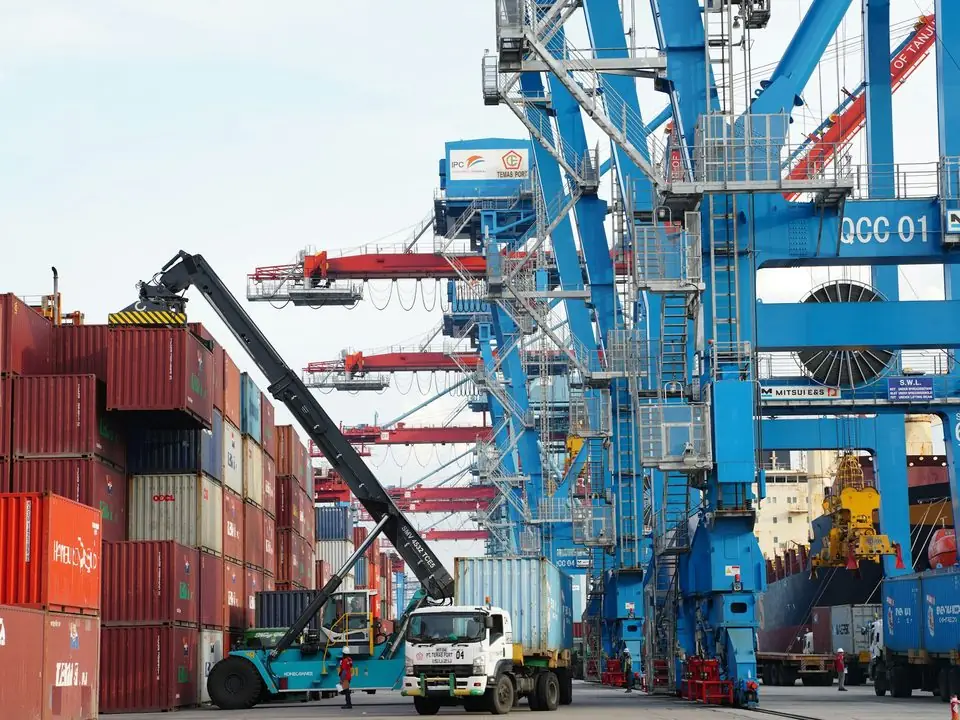
Food distribution problems carry both a cost and a safety dimension.
When pickers grab the nearest pallet instead of the earliest expiry, older stock expires on the shelf. Write-offs rise even though total stock looks healthy.
If batch numbers are not recorded on deliveries, a supplier recall means searching paper delivery notes. Customers may keep using affected products while the search goes on.
A whole fish or a cheese wheel never weighs exactly what was ordered. Invoicing ordered weight instead of delivered weight leads to disputes and lost margin.
Temperature logs for cold rooms and reefer trucks are kept on paper or a separate device. During an inspection or customer complaint, linking a log to a specific delivery is hard.
Orders arrive by WhatsApp after midnight and must be picked for 6 a.m. delivery. Manual entry at that hour causes missed lines and wrong items.
Batch and temperature data are captured at each step so traceability is complete.
One shared database: every step updates stock, finance and reports in real time.
These modules carry the traceability and freshness controls food distributors depend on.
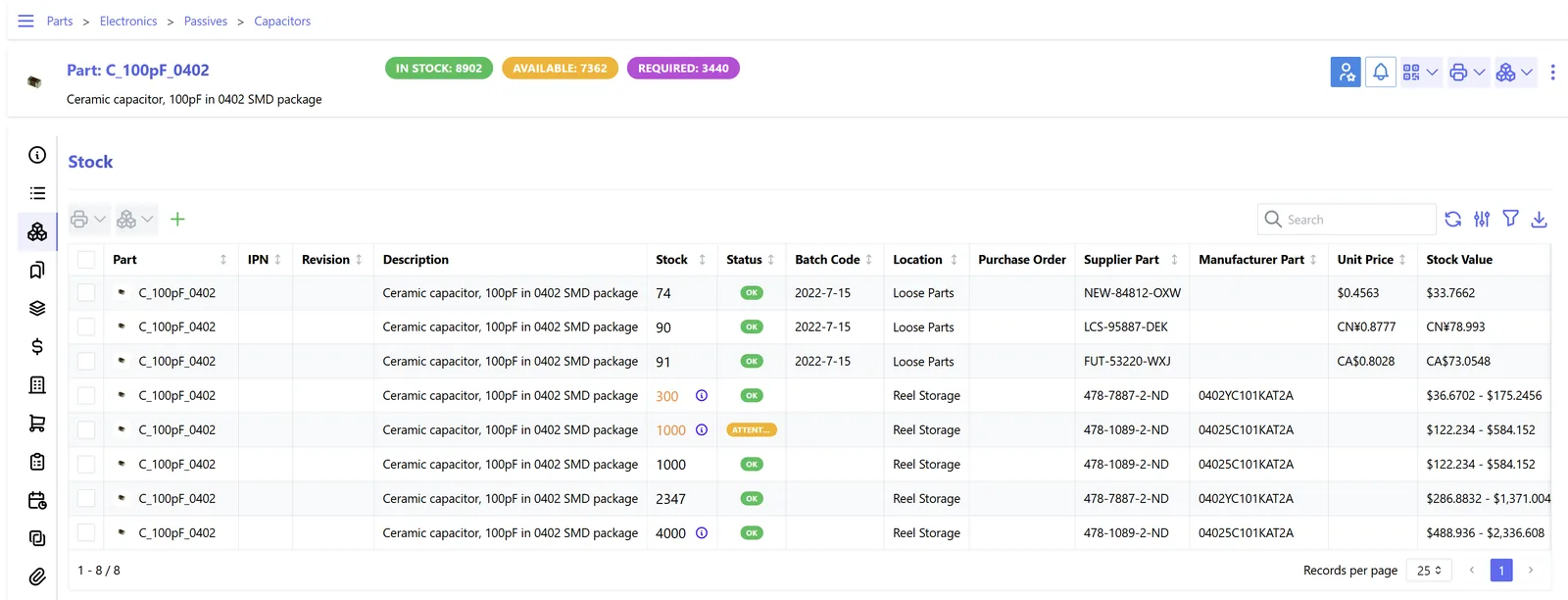
Mandatory batch and expiry on receipt, with FEFO picking rules and blocks on expired stock.
Chilled, frozen and ambient areas as separate locations, so stock reports reflect storage conditions.
Track items in pieces and kilograms together, invoicing on weighed quantity at dispatch.
Forward and backward trace from supplier batch to customers, with a recall list in minutes.
Customer portal or app with standing orders and cut-off times for next-day delivery.
Receiving inspections, rejection reasons and supplier quality scores linked to purchase receipts.
Route lists, proof of delivery and temperature notes captured at the customer door.
Record spoilage and expiry write-offs by reason, product and location with approval.
Warehouse and quality managers start the day here.
Catch weight and traceability depth are usually what separate the options.
| Distributor profile | Often a good fit | What to check |
|---|---|---|
| Small dry goods and chilled supplier, few customers | Zoho Inventory with Zoho Books | Batch and expiry are supported; catch weight needs a workaround or custom function. |
| HORECA supplier with meat, seafood or cheese by weight | Odoo | Strong inventory and traceability; catch weight is usually handled with a module or customization. |
| Multi-category food importer wanting open source | ERPNext | Batch, expiry and quality inspection built in; plan scanner and weighing scale integration. |
| Large food group with several cold stores and entities | Dynamics 365 Business Central | Mature warehouse and finance; catch weight and food features often come from partner add-ons. |
We confirm catch weight and scale integration in a demo before recommending a platform.
The ERP supports record keeping for these areas. Food safety rules vary by emirate, and tax treatment should be confirmed with your tax advisor.
Authorities such as Dubai Municipality and ADAFSA expect traceability, storage control and records for inspection. Batch, temperature and supplier documents stored in the ERP make these easier to produce.
Certificates for imported meat and food products can be attached to supplier batches and checked at receipt, with alerts before a supplier's certificate expires.
Food is generally standard-rated at 5% in the UAE, while exports may be zero-rated when conditions are met. Tax codes are set per item and customer type; confirm with your tax advisor.
B2B invoices to hotels, restaurants and chains will move to PINT AE e-invoicing through an Accredited Service Provider from 2027 phases. Catch weight invoices need the final weighed quantities before submission. Check the latest Ministry of Finance and FTA guidance.
General information, not tax or legal advice. Rules change; confirm current FTA, MOHRE and Ministry of Finance guidance with your advisor.
These outcomes depend on scanning discipline at receipt and dispatch.
FEFO picking and expiry alerts move older stock first and flag risk early.
Batch-level delivery records produce the affected customer list straight away.
Invoices based on weighed quantities match what the customer actually received.
Temperature, batch and certificate records are available from one place when inspectors visit.
Most food distribution projects take 10-16 weeks, with scanner and scale integration as the main variable.
Durations are typical ranges; your plan is agreed after discovery.
Map receiving, storage zones, picking, delivery and recall procedures.
Set up batch rules, FEFO, zones, catch weight items, pricing and VAT codes.
Connect handheld scanners, label printers, weighing scales and driver apps.
Count stock by batch and expiry and load it with customers and open orders.
Go live, then run a mock recall to prove traceability works end to end.
Pages for food businesses and the customers you supply.
We configure the system for the rules UAE businesses report against, and test it before go-live.
General information, not tax or legal advice. Confirm current requirements with the FTA, MOHRE or your advisor. See all UAE compliance guides.
On-site workshops in Dubai, Abu Dhabi and Sharjah, and remote or on-site delivery across the Northern Emirates and free zones.
Official sources and references
Facts on this page were checked against these sources in October 2026. Rules change, so confirm current requirements before acting.
Still have a question? Our consultants are happy to help.
Ask an ExpertFirst-expiry-first-out means the system directs pickers to the batch that expires soonest, regardless of when it arrived. For perishable food it reduces spoilage more reliably than first-in-first-out.
If your sensors or data loggers can export data or offer an API, we can bring readings into the ERP or link them to locations. Otherwise, staff record checks in a simple form on a tablet.
The customer orders in pieces or approximate kilograms. At dispatch the actual weight is captured, often from a connected scale, and the invoice uses that weight and the agreed price per kilogram.
Yes. A customer portal or ordering app lets chefs place orders with their own price list and cut-off time, and orders go straight into the picking queue.
With batches recorded on every delivery, the system lists every customer who received an affected batch, with quantities and dates. We test this with a mock recall before go-live.
Related Solutions
Related Industries
Related ERP Platforms
Related Guides
Ask for a demo where we receive, pick, deliver and then recall a sample batch end to end.
Dubai, United Arab Emirates