L
O
A
D
I
N
G


Zoho, Odoo, ERPNext, Dynamics 365 and custom ERP, delivered by one accountable team.

Stock control is a set of daily rules: who can move stock, when to reorder, how it is valued and who reviews the exceptions. An ERP makes those rules hard to skip.
An ERP enforces stock control through documented movements: nothing enters without a GRN against a purchase order, nothing leaves without a delivery note or stock issue, and every transfer has sending and receiving steps. Reorder levels, aging and valuation then come from one stock ledger, so purchasing, warehouse and finance in UAE companies work from the same figure.
ERP for stock control in the UAE is about controls, not counting. A distributor in Al Quoz, a building materials supplier in Mussafah and a spare parts trader in Sharjah all face the same questions every morning: what do we have, where is it, what moved yesterday and why, what must we order today, and what is it worth. If those answers come from a spreadsheet updated on Thursdays, the business is not controlling stock, it is reporting on it after the fact.
A stock control system built on ERP replaces that with documented movements. Nothing enters the warehouse without a GRN against a purchase order, nothing leaves without a delivery note or stock issue, and every transfer between locations has a sending and a receiving step. Reorder levels, aging and valuation then come from the same ledger, so purchasing, warehouse and finance see one number.
This page sets out the controls we configure and who owns each one. For one-off clean-ups such as a year-end count, see stock reconciliation; for the specific problem of balances going below zero, see negative stock problems.
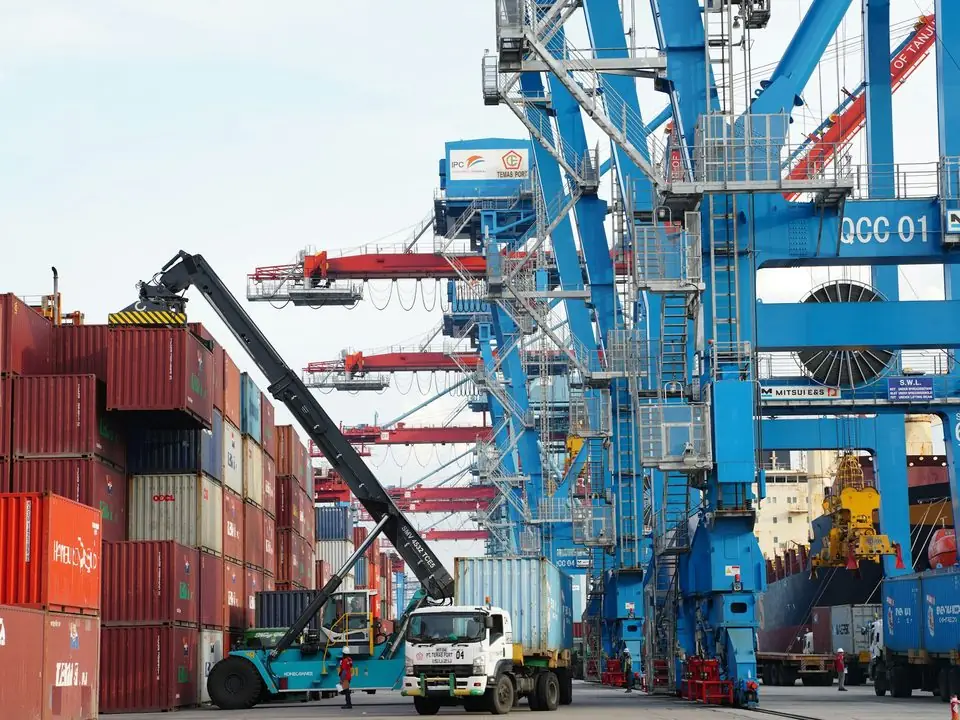
These gaps are typical in UAE companies running Excel, a basic accounting package or disconnected branch systems.
Branches send stock sheets by email and head office consolidates them weekly. Sales quotes from figures that are days old, and customers in Abu Dhabi wait for items sitting in the Dubai store.
Storekeepers issue material against a phone call or a WhatsApp message. Site returns, samples and damages are not posted, so the ledger drifts away from the shelf.
Without reorder levels tied to lead times, buyers place emergency orders at higher prices or overbuy to be safe. Imports with long shipping times make the gap worse.
Stock leaves one warehouse but is never received at the other, or arrives short. Nobody knows which side made the error because there is no in-transit location.
Total stock value looks healthy, but a large share is over a year old. Without aging buckets, owners keep funding purchases while dead lines tie up cash.
Stock is valued at the last purchase price in a spreadsheet, landed costs are missed, and the year-end figure is a negotiation with the auditor.
Each step creates a document in the ERP. Approvals sit at the points where money or risk changes hands.
One shared database: every step updates stock, finance and reports in real time.
These map directly to the controls listed in the challenges above.
On-hand, reserved, incoming and available quantity per item and warehouse, updated with every posted document.
GRN, delivery note, material issue, return and scrap documents, each with mandatory reason codes.
Minimum, maximum and reorder quantities per warehouse, plus safety stock for items with unreliable supply.
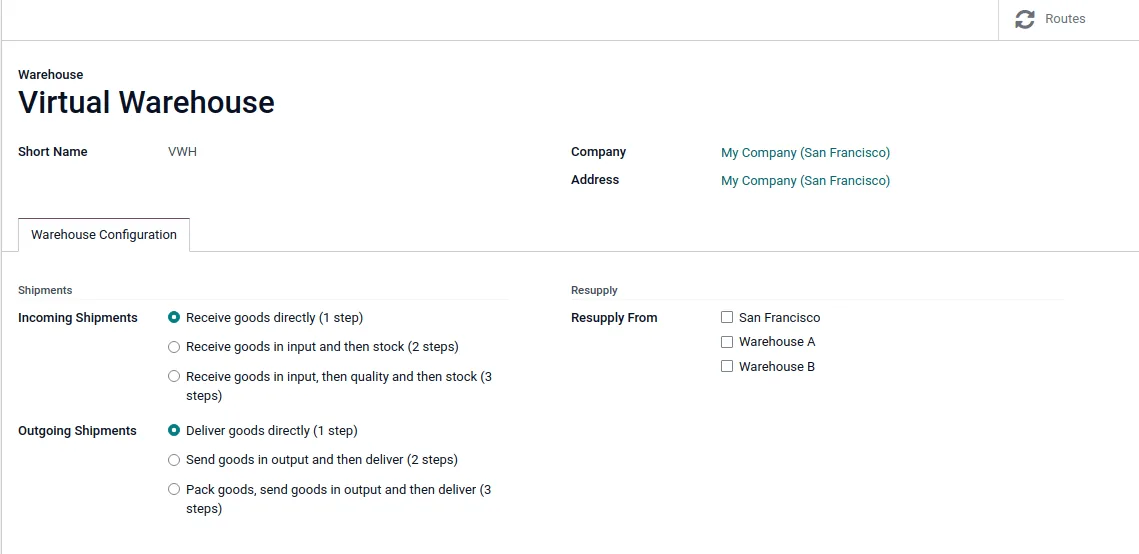
Transfer orders with dispatch and receipt steps and an in-transit location for stock on the road.
Lot numbers, serial numbers and expiry dates captured at receipt and carried to the customer invoice.
Aging by receipt date and last movement date, with flags for slow and non-moving items.
FIFO or weighted average costing posted to the general ledger, with landed cost added to item cost.
Role-based views for the storekeeper, buyer, warehouse manager and finance controller.
The warehouse manager and the finance controller look at the same data with different filters. Our inventory dashboard page shows a full KPI set.
A hedged summary. Exact features depend on edition and configuration, so confirm for yours.
| Zoho | Odoo | ERPNext | Dynamics 365 | |
|---|---|---|---|---|
| Stock visibility | Stock on hand, committed and available per warehouse | On-hand and forecasted quantity per location | Stock Balance and Stock Projected Qty reports | Item availability by location, date and variant |
| Reorder control | Reorder point with notifications | Min/max reordering rules, can auto-create RFQs | Reorder level per warehouse with auto material requests | Reordering policies and requisition worksheets |
| Warehouse transfers | Transfer orders between warehouses | Internal transfers and multi-step routes with transit locations | Material Transfer stock entries, transit warehouse possible | Transfer orders with in-transit location |
| Batch and serial | Batch and serial tracking | Lots and serials, expiry with settings enabled | Batch and Serial No doctypes with expiry | Item tracking for lots and serials, expiration dates |
| Stock aging | Inventory aging summary report | Via valuation layers or custom report; confirm for your version | Stock Ageing report | Aging via inventory reports or Power BI |
| Valuation | FIFO; confirm others for your edition | FIFO, AVCO, standard; perpetual valuation | FIFO or moving average, perpetual | FIFO, average, standard, specific |
| Dashboards | Built-in reports plus Zoho Analytics | Reporting views and spreadsheet-based dashboards | Workspaces, dashboard charts and query reports | Role centers plus Power BI |
Stock control only works when every channel that moves stock posts into the same ledger.
Good stock control makes these obligations easier. Confirm treatment of specific items with your tax advisor.
Delivery notes and GRNs support the date of supply and input tax claims at the 5% rate. Matching them to tax invoices avoids gaps at VAT return time.
Tobacco, energy drinks, sweetened drinks and e-smoking products carry excise tax. Batch-level tracking helps reconcile stock movements with excise declarations.
Closing inventory affects taxable income. A consistent costing method with landed costs makes the year-end figure supportable.
Movement history with user and timestamp supports the minimum five-year retention under Cabinet Decision 74 of 2023.
General information, not tax or legal advice. Rules change; confirm current FTA, MOHRE and Ministry of Finance guidance with your advisor.
Outcomes we see when controls are owned and reviewed, described without invented figures.
Sales, warehouse and finance stop arguing over whose spreadsheet is right.
Buyers act on alerts instead of emergencies, so fewer rush orders and fewer stockouts.
Short receipts on transfers are caught at the receiving branch the same day.
Auditors see a costing method and an audit trail, not a manual estimate.
Typical ranges for one to three warehouses; larger networks take longer.
Durations are typical ranges; your plan is agreed after discovery.
Agree movement documents, approval limits, reason codes and owners.
Items, units, warehouses, bins, reorder levels and batch rules.
Set up workflows, costing and dashboards, test with real documents.
Physical count, opening balances and training for storekeepers on scanning.
Weekly exception reviews and monthly aging and valuation checks.
We configure the system for the rules UAE businesses report against, and test it before go-live.
General information, not tax or legal advice. Confirm current requirements with the FTA, MOHRE or your advisor. See all UAE compliance guides.
On-site workshops in Dubai, Abu Dhabi and Sharjah, and remote or on-site delivery across the Northern Emirates and free zones.
Official sources and references
Facts on this page were checked against these sources in October 2026. Rules change, so confirm current requirements before acting.
Inventory management is the broad function of planning, buying and storing goods. Stock control is the set of rules and checks that keep the recorded stock correct and movements authorized. An ERP supports both, but stock control is where most UAE companies have gaps.
Base them on average daily usage multiplied by supplier lead time, plus a buffer for variability. Imported items need a larger buffer. Our pages on minimum stock levels and safety stock explain the calculation.
Not the person who made the count. A common rule is that the warehouse manager approves small variances and finance approves anything above a set value. The ERP routes the adjustment based on value.
Use cycle counts by ABC class: high-value items monthly, middle items quarterly, the rest twice a year, plus a full count at year end if the auditor requires it. See physical stock count for the process.
Yes. Each site becomes a location, and material issued to a project is charged to it. Contractors often pair this with construction budget control so material consumption is checked against the BOQ.
If you sell food, cosmetics, pharmaceuticals, chemicals or warrantied electronics, yes. It lets you recall a batch, pick by expiry and prove where a serial number went.
Related Solutions
Related Industries
Related ERP Platforms
We map your stock movements and design the controls, approvals and dashboards your team will actually use.
Dubai, United Arab Emirates