L
O
A
D
I
N
G


Zoho, Odoo, ERPNext, Dynamics 365 and custom ERP, delivered by one accountable team.

MEP work is material-heavy, approval-driven and continues long after handover. We set up ERP so ducts, cables and pipes are controlled on every site and service revenue follows the project.
An ERP for MEP contractors in the UAE must control thousands of material lines across many sites, because mechanical, electrical and plumbing margins depend on material control. It should block purchase orders for items lacking consultant approval, run each site store as a stock location, cost labour separately by HVAC, electrical and plumbing, and carry service revenue into post-handover maintenance contracts.
ERP for MEP contractors in the UAE has to manage thousands of material lines across many sites. A mechanical, electrical and plumbing contractor working on towers in Business Bay, villas in Dubai South, hospitals in Abu Dhabi or warehouses in KEZAD buys cables, ducting, chillers, pumps, fire-fighting fittings, panels and light fittings in large quantities, and each item usually needs consultant approval before it can be ordered.
Unlike civil works, MEP margins are often decided by material control: approved makes, correct quantities delivered to the right floor, returns of surplus fittings, and theft or waste on site. Labour is organised by trade, from duct installers and electricians to plumbers and fire-fighting technicians, and the project only closes after testing, commissioning and authority inspections. After handover, the same company often bids for the annual maintenance contract on the building it just installed.
We implement Odoo, ERPNext, Dynamics 365 Business Central and Zoho for MEP firms, and add focused extensions for submittal tracking where needed. This page covers MEP-specific operations; for contract billing and retention see ERP for contracting companies, and for post-handover service see ERP for facility management companies.

These are the problems MEP project managers and procurement teams describe most often.
Materials are sometimes ordered before the consultant approves the make or model. If the submittal is rejected, the company is left with stock it cannot use on that project.
Fittings and cables are moved between sites without records. Head office sees stock that is no longer there, and sites reorder items already lying in another store.
Chillers, generators, pumps and switchgear have long delivery times. When procurement is not tied to the installation programme, critical items arrive late and hold up commissioning.
Payroll shows total labour cost per project but not how much went to HVAC versus electrical or plumbing, making future estimates unreliable.
As-built drawings, warranties, test certificates and O&M manuals are collected in folders at the last minute, delaying handover and final payments.
Material approval and commissioning are built into the flow, not tracked on the side.
One shared database: every step updates stock, finance and reports in real time.
These modules reflect how MEP firms actually work, from estimating by system to service after handover.
Estimates split into HVAC, electrical, plumbing, drainage, fire-fighting and low-current systems, each with material and labour rates.
Each material line carries submittal status, revision and approved make, and purchase orders can be blocked until approval is recorded.
Purchase orders with promised dates for long-lead equipment, supplier follow-up and alerts when delivery threatens the programme.
Central warehouse and site stores, inter-site transfers, issues by floor or zone, and surplus returns credited back to the project.
Budget, committed and actual costs by project, system and cost code, with earned value against installation progress.
Daily attendance by trade and system, overtime rules and WPS payroll with cost allocated to the right project lines.
Test sheets, commissioning checklists, warranties and O&M documents stored against each system and asset.
Installed equipment becomes an asset register for maintenance contracts, preventive visits and reactive call-outs.
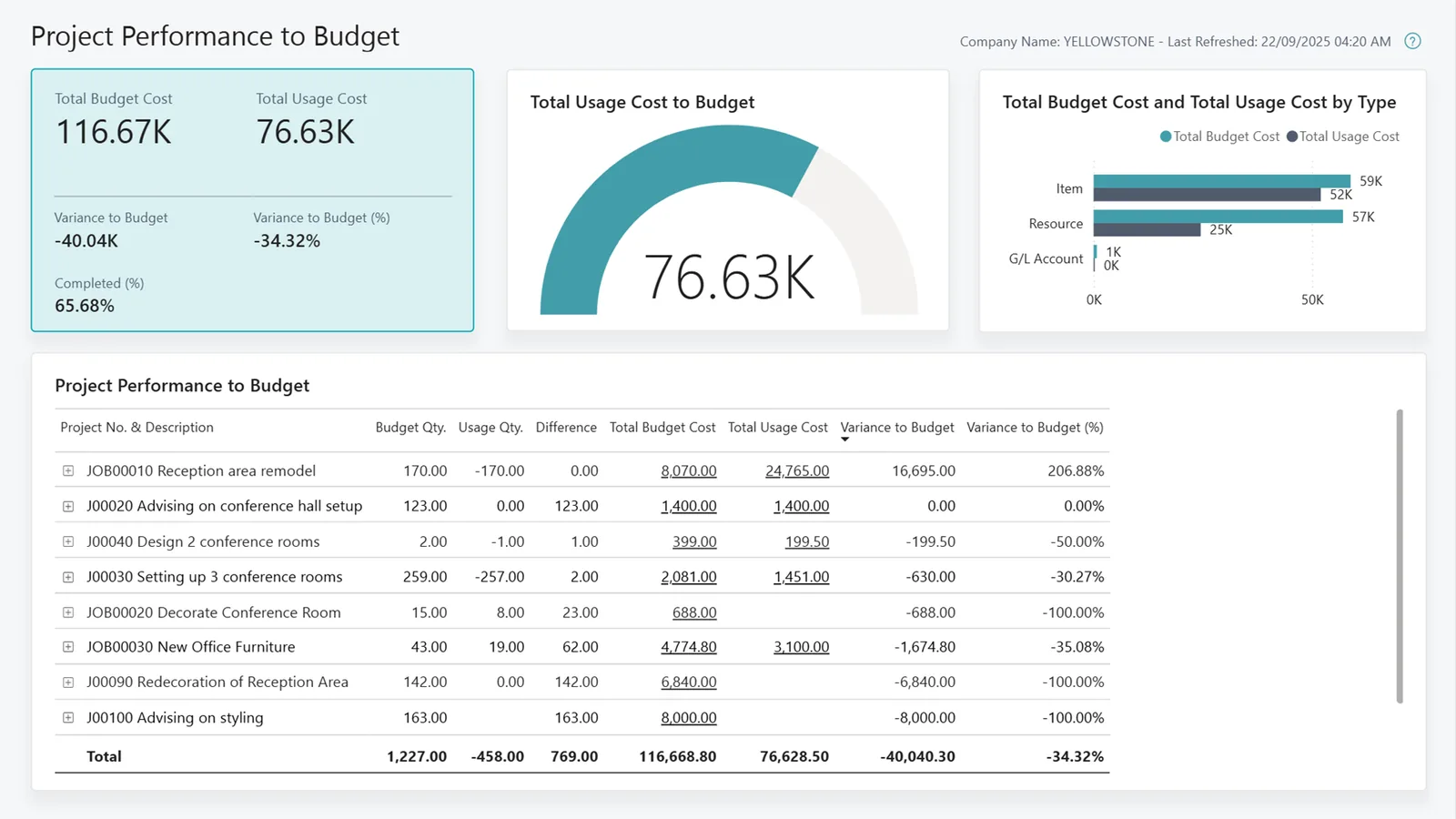
MEP managers need to see materials, approvals and labour together for each project.
MEP firms range from specialist subcontractors to large integrated contractors with service divisions.
| Company profile | Often a good fit | Why | Watch out for |
|---|---|---|---|
| Specialist MEP subcontractor with a few sites | Zoho (Books, Inventory, Projects) or Odoo | Project billing, site stock and purchasing with simple setup | Submittal tracking needs custom fields or a small app |
| Mid-size MEP contractor with central store and many sites | Odoo (Project, Inventory, Purchase, Field Service) | Multi-warehouse stock, purchase control and field service for AMC work in one system | Earned value and submittal rules usually need configuration |
| MEP firm wanting a flexible, owned platform | ERPNext | Projects, multi-warehouse stock, asset and maintenance modules on an open framework | Field service features are lighter; plan mobile needs early |
| Large MEP group with service division | Dynamics 365 Business Central, plus Dynamics 365 Field Service where needed | Strong project and finance core with Microsoft field service options | Licensing across apps should be planned carefully |
We implement Zoho, Odoo, ERPNext, Dynamics 365 and custom ERP; the recommendation follows your project mix and service ambitions.
MEP work combines tax rules with heavy technical documentation. Confirm tax treatments with your advisor and technical requirements with the relevant authorities.
MEP systems typically require inspections by bodies such as civil defence and the local utility authority before connection or occupancy. The ERP can store inspection requests, results and certificates against the project and system.
MEP contract billing and AMC invoices are generally standard-rated at 5%. Progress billing timing and retention need care; the ERP issues compliant tax invoices, and the tax point rules should be confirmed with your advisor.
Large site teams must be paid through the Wage Protection System. The ERP produces the SIF from approved timesheets and payroll, and handles end-of-service gratuity provisions under UAE Labour Law.
Corporate tax is 9% on taxable income above AED 375,000. E-invoicing through Accredited Service Providers becomes mandatory in phases from 2027. Check the latest Ministry of Finance and FTA guidance.
General information, not tax or legal advice. Rules change; confirm current FTA, MOHRE and Ministry of Finance guidance with your advisor.
Typical improvements clients aim for, without invented numbers.
Purchase orders follow approved submittals, reducing stock that cannot be used.
Every site store is counted in the system, so surplus is transferred before new orders are placed.
Actual labour and material by system feed the next tender's rates.
Installed assets and warranties move straight into the service contract.
Indicative ranges; firms with a service division may phase AMC after project operations.
Durations are typical ranges; your plan is agreed after discovery.
We map estimating, submittals, stores, labour and handover processes on two or three live projects.
Systems, cost codes, warehouses, submittal rules and approval workflows are set up.
Site stock counts, open purchase orders and live project budgets are loaded.
Storekeepers and site engineers are trained and onboarded, often site by site.
AMC contracts, asset registers and preventive schedules are added once projects are stable.
Construction, service and platform pages linked to MEP work.
We configure the system for the rules UAE businesses report against, and test it before go-live.
General information, not tax or legal advice. Confirm current requirements with the FTA, MOHRE or your advisor. See all UAE compliance guides.
On-site workshops in Dubai, Abu Dhabi and Sharjah, and remote or on-site delivery across the Northern Emirates and free zones.
Official sources and references
Facts on this page were checked against these sources in October 2026. Rules change, so confirm current requirements before acting.
Still have a question? Our consultants are happy to help.
Ask an ExpertYes. We add submittal status to project material lines and configure a rule or approval step so purchase orders for unapproved items need management sign-off or are blocked.
Each site becomes a warehouse or location. Deliveries go directly to site or via the central store, issues are recorded by floor or zone, and surplus is transferred or returned with a record.
Yes. Timesheets or daily attendance record the project and system, and payroll cost is allocated accordingly. This makes system-level margins visible.
Installed equipment with serial numbers, warranty dates and documents is recorded as assets. When an AMC is signed, those assets are linked to the contract and preventive maintenance schedules are generated.
It helps. Most of the platforms we implement offer mobile access for material requests, receipts, timesheets and inspection checklists, which reduces paperwork from site.
Related Solutions
Related Industries
Related ERP Platforms
Walk us through one live project and we will show how materials, labour and handover would be tracked.
Dubai, United Arab Emirates