L
O
A
D
I
N
G


Zoho, Odoo, ERPNext, Dynamics 365 and custom ERP, delivered by one accountable team.

ERPNext links project tasks to timesheets, purchases, stock and invoices, so UAE project teams can see real cost and margin while the work is still running.
ERPNext Projects links tasks, timesheets, material requests, purchase orders, stock issues, expense claims and sales invoices to one project record, so UAE consultancies, engineering firms, IT service companies and maintenance providers see cost and margin while work is running. Activity types carry separate billing and costing rates, and projects can be billed by timesheet, milestone or fixed fee.
Many UAE firms plan work in one tool and cost it in another, then spend days at month end matching the two. The Projects module in ERPNext avoids that split. A Project record holds tasks, timesheets, material requests, purchase orders, stock issues, expense claims and sales invoices, all tagged to the same project. That is the main reason clients look at ERPNext Projects UAE rather than a standalone task tool.
The module suits consultancies, engineering firms, IT service companies, fit-out contractors and maintenance providers. Tasks can depend on each other and appear on a Gantt view. Staff log hours against tasks through timesheets, and each activity type carries a billing rate and a costing rate, so ERPNext calculates both revenue and labour cost for every hour.
Most of our ERPNext project work in the UAE starts with a short review of how quotes become jobs. Some firms price by the hour, some by milestone, and some quote a lump sum but still want to see hours against it. ERPNext supports all three, but each needs a slightly different setup of activity types, payment schedules and invoice rules, so we settle this before configuring anything.
For heavier construction work with BOQs, progress claims and retention, ERPNext usually needs extra customization; our ERPNext for construction page covers that. This page focuses on the standard project, task, timesheet and billing workflow.
The products we configure, integrate and support on projects like this one.
 ERPNext
 Frappe HR
 Frappe Framework
 Frappe CRM
Product names and logos are trademarks of their respective owners and are shown only to identify the software we implement.
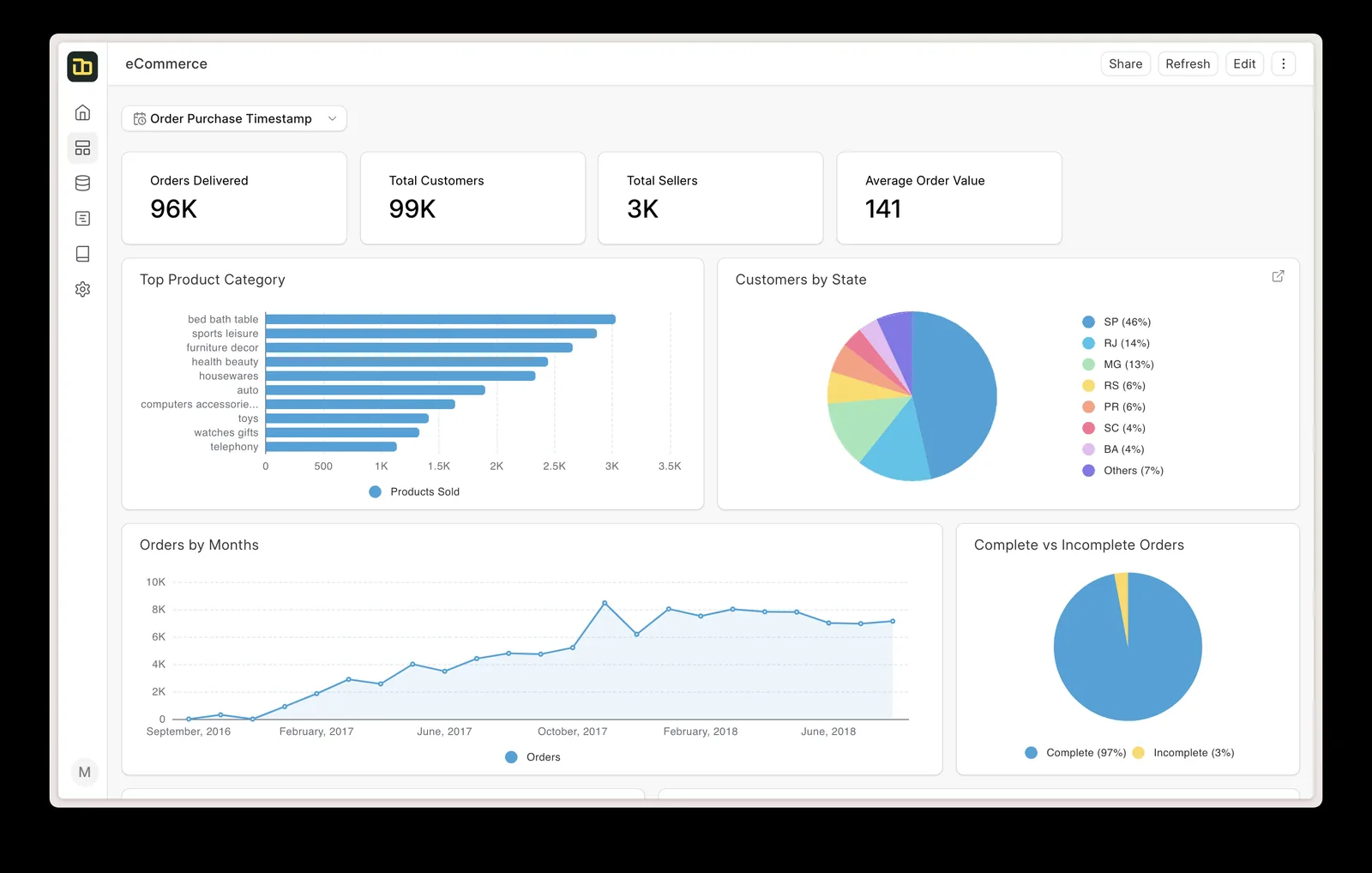
Project managers and finance see the same numbers because they come from the same records.
A typical service project from signed quotation to final invoice.
One shared database: every step updates stock, finance and reports in real time.
What we configure and how UAE teams use it day to day.
Reusable task lists for repeat work such as audits, installations or annual maintenance contracts, created automatically from a sales order.
Parent and child tasks, expected dates, weights and dependencies, viewable as a list, Kanban board or Gantt chart.
Daily or weekly hours against tasks, with activity types that carry separate billing and costing rates.
Labour, purchase, stock issue and expense claim costs roll up to the project for live margin tracking.
Invoices from timesheets, sales order milestones or payment schedules, with UAE VAT applied through tax templates.
Project as a dimension on journal entries and invoices, giving profit and loss by project.
Clients can log in to view project progress, tasks and their invoices, if you choose to enable it.
Scheduled status updates collected from team members and shared with managers.
Common links we build for UAE project businesses.
We configure project invoicing so it supports UAE rules. Tax treatment questions should go to your tax advisor.
Sales invoices carry your TRN, the customer's TRN where applicable and the 5% VAT through item tax templates. Advance and milestone invoices need the correct tax point, which we review with your accountant.
From 2027 many UAE businesses must exchange invoices in PINT AE format through an Accredited Service Provider. We keep project invoice data structured so it can be sent through an ASP connector. Check the latest Ministry of Finance and FTA guidance for your date.
Project-level profit and loss helps support corporate tax calculations under Federal Decree-Law No. 47 of 2022. Your tax advisor confirms the treatment.
General information, not tax or legal advice. Rules change; confirm current FTA, MOHRE and Ministry of Finance guidance with your advisor.
Most issues we fix in project modules come from these early choices.
Explore project ERP options and other ERPNext modules.
We configure the system for the rules UAE businesses report against, and test it before go-live.
General information, not tax or legal advice. Confirm current requirements with the FTA, MOHRE or your advisor. See all UAE compliance guides.
On-site workshops in Dubai, Abu Dhabi and Sharjah, and remote or on-site delivery across the Northern Emirates and free zones.
Official sources and references
Facts on this page were checked against these sources in October 2026. Rules change, so confirm current requirements before acting.
Still have a question? Our consultants are happy to help.
Ask an ExpertYes. Tasks within a project can be viewed as a Gantt chart, along with list and Kanban views. Dependencies and expected dates drive the chart.
Yes. Billable timesheet hours can be pulled into a sales invoice at the billing rate of each activity type. Hours already invoiced are tracked so they are not billed twice.
It covers tasks, costing and billing well. BOQs, progress claims, retention and subcontractor certificates usually need customization, which we scope separately.
ERPNext budgets can be set against a project or cost center, with warnings or stops when purchases exceed the budget. We configure the control level with your finance team.
If enabled, the customer portal lets clients view their projects, task status and invoices. Many firms prefer to share only selected updates.
Yes. Timesheets work in the mobile browser and in the Frappe HR mobile app, so site engineers and consultants can record hours on the day. Managers approve them before they flow into billing or costing.
Related Solutions
Related Industries
Related ERP Platforms
Tell us how you price and deliver projects, and we will map it to an ERPNext Projects setup.
Dubai, United Arab Emirates