
L
O
A
D
I
N
G


Zoho, Odoo, ERPNext, Dynamics 365 and custom ERP, delivered by one accountable team.

We build focused procurement apps on Zoho Creator, Odoo Studio, Frappe or Power Apps that cover the gaps your ERP leaves: site requisitions, three-quote RFQs, supplier onboarding and delegated approvals.
A custom procurement app makes sense when everything before the purchase order happens in WhatsApp, Excel and email. Built on Zoho Creator, Odoo Studio, Frappe or Power Apps, it captures mobile requisitions, runs three-quote RFQs and comparison sheets, routes approvals by amount and project, onboards suppliers with trade license and TRN checks, then syncs clean POs into the ERP.
Procurement app development in the UAE usually starts with a familiar picture: the ERP holds the purchase order and the supplier bill, but everything before the PO happens in WhatsApp, Excel and email. A site engineer sends a photo of a handwritten material list, a buyer chases three quotations by email, and the finance manager approves a PDF without seeing the budget. The ERP only learns about the purchase once the PO is typed in.
A low-code procurement app closes that front-end gap without replacing your accounting system. It captures the purchase requisition (PR) at the source, runs the request for quotation (RFQ), builds the quote comparison sheet, routes approvals by value and cost center, and then pushes a clean PO into Zoho Books, Odoo, ERPNext or Dynamics 365. If you want the whole source-to-pay cycle in one standard product instead, start with our guide to procurement software in the UAE; this page is about building the parts that standard software does not fit.
Typical buyers are contractors with several sites, facility management companies buying spares for many contracts, trading firms with mixed local and import purchasing, and groups where each entity buys differently. The app is built around your documents and your approval matrix, not a generic template.
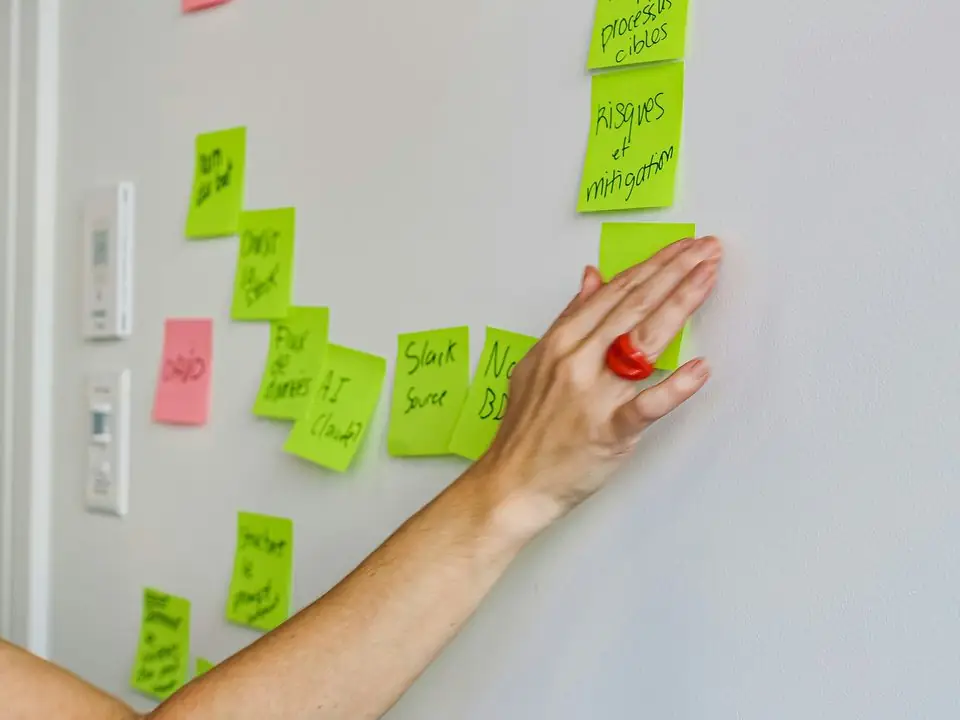
These are the problems we hear most often in discovery workshops with buyers, storekeepers and finance teams.
Requests come by WhatsApp voice note, email, paper and phone call, with no item code or required date. The buyer spends the morning interpreting them before any sourcing begins.
Policy says three quotations above a threshold, but the quotes sit in different inboxes. Auditors and owners cannot see which supplier was chosen and why.
A manager approves a PDF without knowing what was already committed against the project or cost center. Overspend is found at month-end, after the goods are delivered.
Expired trade licenses, missing TRNs and unverified IBANs end up in the vendor master. That creates VAT input tax risk and exposes the company to bank-detail fraud.
Partial deliveries are recorded late or not at all, so the AP clerk cannot run a proper three-way match. Suppliers get paid for quantities that were never received.
Changing the standard purchase flow in the core ERP needs a partner change request and retesting. Small fixes wait months, so teams return to spreadsheets. A small app on a low-code platform can change in days instead.
Every app is scoped to your process, but most procurement builds include these components.
Site engineers and storekeepers raise a PR from a phone, pick items from the ERP catalog, attach photos and set a required-by date and project code.
The buyer sends one RFQ to several suppliers, records or receives their prices, lead times and payment terms, and the app builds a side-by-side comparison with the recommended vendor.
Rules route each PR or PO by amount, category, entity and project, with delegation for leave. The approval engine records who approved what, and when.
New vendors upload their trade license, VAT certificate with TRN and bank letter. Expiry dates trigger renewal reminders before the next order.
Before approval the app shows budget, committed POs and actual spend for the cost center or project, so approvers see the impact before they sign.
Approved POs, receipts and supplier bills sync with your ERP through its API, so accounting, VAT and stock stay in the system of record.
A typical build moves from your current paper and email trail to a live app in short iterations, with real buyers testing each one.
One shared database: every step updates stock, finance and reports in real time.
We implement all four options below and choose by fit with your existing ERP, user licensing and in-house skills. Capabilities change between editions, so confirm details for your plan. If you also need stock issue and bin tracking, see inventory app development.
| Zoho Creator | Odoo Studio | Frappe Framework | Microsoft Power Apps | |
|---|---|---|---|---|
| Best fit | Companies on Zoho Books or Zoho Inventory that need a custom PR, RFQ or vendor portal | Odoo users who want to extend the standard Purchase app with fields, views and approval steps | ERPNext users who need custom doctypes and server scripts on the same database | Dynamics 365 and Microsoft 365 users who want apps on Dataverse |
| How it reaches the ERP | Native Zoho integrations plus Deluge scripts and REST APIs | Runs inside Odoo, so data lives in the same purchase models | Runs inside ERPNext; new doctypes link to Material Request and Purchase Order | Dataverse and standard connectors, including the Dynamics 365 connectors |
| Supplier-facing portal | Customer portal feature in Creator; check user limits for your plan | Odoo portal exists for vendors on some flows; extra screens often need module development | Web forms and portal pages can be built for suppliers | Usually via Power Pages, licensed separately |
| Mobile use on site | Native mobile apps generated from the same app | Odoo mobile app and responsive web | Responsive web; offline needs extra work | Canvas apps work well on mobile |
| Limits to watch | Complex logic can grow into many Deluge scripts that need documenting | Studio covers configuration; deeper logic needs Python Odoo development | Needs Python/JS developers for anything beyond configuration | Premium connector and per-user licensing can raise cost as users grow |
| Who maintains it | A trained power user plus partner support | Odoo admin for Studio changes; developer for modules | In-house or partner developer | Power Platform maker with IT governance |
Recommendations are general. Licensing, portal limits and connector availability vary by plan and change often.
We keep the first release small and tied to one measurable pain point, then extend.
We read your procurement policy, delegation of authority and three-quote rule, then walk the real path of a few recent purchases from request to payment.
Most clients start with requisition plus approval, or RFQ plus comparison. Supplier onboarding and receiving apps follow once the first app is in daily use.
We decide which records live in the app and which stay in the ERP. Items, suppliers, tax codes and cost centers are read from the ERP so there is one master list.
We build in a sandbox, test each approval path with your actual thresholds, and connect to the ERP API with error logs that the admin can read.
One site or department uses the app for a few weeks. We fix what they find, train buyers and approvers, and hand over documentation and admin rights.
Prepare these and the build will move faster.
We configure the system for the rules UAE businesses report against, and test it before go-live.
General information, not tax or legal advice. Confirm current requirements with the FTA, MOHRE or your advisor. See all UAE compliance guides.
On-site workshops in Dubai, Abu Dhabi and Sharjah, and remote or on-site delivery across the Northern Emirates and free zones.
Official sources and references
Facts on this page were checked against these sources in October 2026. Rules change, so confirm current requirements before acting.
Still have a question? Our consultants are happy to help.
Ask an ExpertNot always. If your ERP's purchase module already handles requisitions, RFQs and approvals the way you work, configure it instead. A custom app makes sense when site teams cannot use the ERP screens, when your approval matrix is unusual, or when suppliers need a portal your edition does not include.
Yes. The app can block a PR from moving to PO above a set value until three supplier quotes are attached, or require a written justification for a single-source purchase. The comparison sheet and the reason for the chosen supplier are stored on the record for audit.
Tax codes, supplier TRNs and the bill itself stay in your ERP, which produces the VAT records. The app captures the TRN during onboarding and passes the right tax code with the PO. Confirm treatment of specific purchases with your tax advisor.
It depends on the platform. Zoho Creator and Power Apps mobile apps offer offline options with limits, while web-based Odoo and ERPNext screens need connectivity. We test this on your actual sites before committing to a platform.
A focused requisition and approval app often takes 4-8 weeks from workshop to pilot. Adding RFQ, supplier onboarding and receiving usually means further phases. The timeline depends on your approval rules, integrations and how clean your master data is.
Yes. Requisitions can carry a project and BOQ line so commitments roll up against the project budget. For a deeper look at project purchasing, see our page on project procurement software, and track results on a procurement dashboard.
Related Solutions
Related Industries
Related ERP Platforms
Related Guides
Share your current requisition and approval flow and we will suggest the smallest app that removes the most manual work.
Dubai, United Arab Emirates










