L
O
A
D
I
N
G


Zoho, Odoo, ERPNext, Dynamics 365 and custom ERP, delivered by one accountable team.

Your clinical system records patients and treatments. The ERP has to turn insurance remittances, consumables and doctor payouts into accurate accounts. This guide compares the options.
The best ERP for healthcare in the UAE is one that works cleanly beside the hospital information system or EMR, handling insurance receivables, batch and expiry stock, doctor revenue share and branch profit and loss. For clinic groups, Odoo or ERPNext usually balance finance, inventory and HR well. Clinical records stay in licensed software connected to NABIDH or Malaffi.
The best ERP for healthcare in the UAE is the one that works cleanly next to your hospital information system (HIS) or electronic medical record (EMR). Patient registration, clinical notes, coding and claim submission belong in licensed clinical software connected to the emirate's health platforms, such as NABIDH in Dubai and Malaffi in Abu Dhabi. General ERP products are not built to hold clinical records, and we advise clinics not to force them into that role.
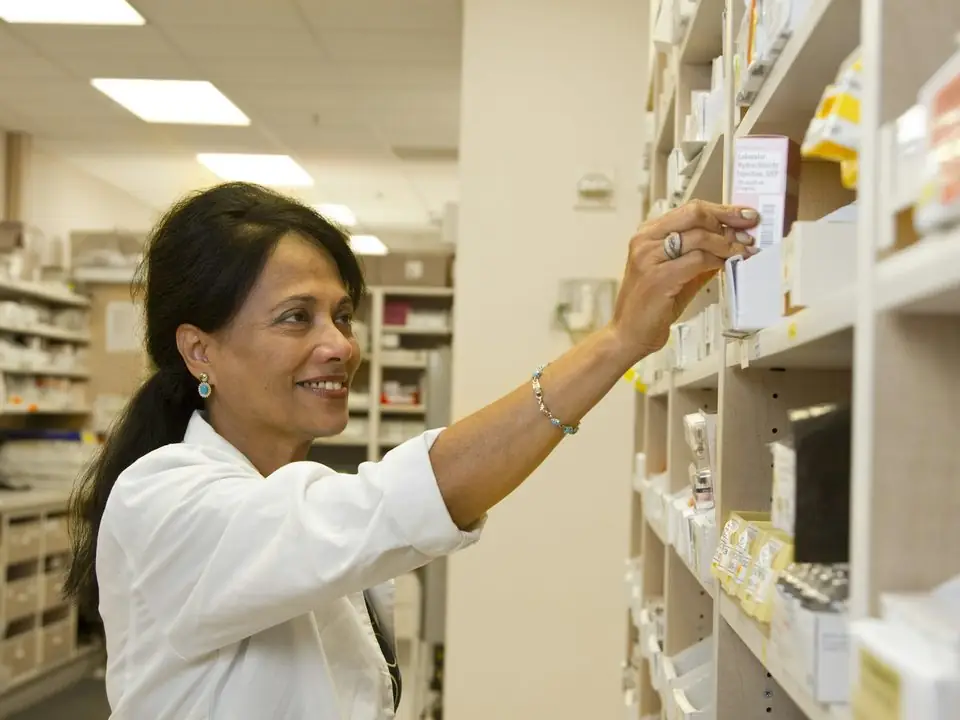
Where the ERP earns its place is the money and materials side. Insurance remittances arrive weeks after the visit, often with partial rejections. Consumables, implants and medicines move between a central store, treatment rooms and an in-house pharmacy, and expiry dates matter. Doctors may be paid salary plus a share of collections. Each of these needs a ledger, a stock system and an approval trail that the HIS does not provide.
This guide is written for multi-specialty clinics, dental groups, diagnostic labs, day surgery centers and pharmacy chains. For a single-clinic view, see ERP for clinics; for pharmacy-heavy operations, see ERP for pharmacies.
These criteria come from the reconciliation and stock problems we see most often in UAE clinics and medical centers.
The comparison assumes a licensed HIS or EMR remains the clinical system of record.
| Option | Best fit | Strengths | Watch-outs |
|---|---|---|---|
| Odoo | Clinic groups and medical centers with 2-20 branches | Accounting, inventory with lots and expiry, purchase, maintenance and HR in one system | Clinical modules in the Odoo ecosystem are third-party; keep clinical work in a licensed HIS |
| ERPNext | Cost-conscious providers wanting open source | Batch and expiry tracking, asset maintenance, healthcare app available in the Frappe ecosystem | Validate any clinical features against DHA, DOH or MOHAP requirements before relying on them |
| Zoho Books + Zoho Inventory | Single clinics and small dental practices | Quick setup, batch tracking, straightforward VAT handling | Payer-level claim reconciliation needs custom fields or Zoho Creator |
| Dynamics 365 Business Central | Hospital groups and multi-entity healthcare holding companies | Strong finance, dimensions for department and branch, consolidation | Higher licensing and partner effort; HIS integration must be designed carefully |
| Integrated HIS with built-in finance (non-partner) | Hospitals that want one vendor for clinical and billing | Single patient-to-invoice record | Back office accounting and procurement can be thin; check general ledger depth |
| Custom ERP | Providers with unusual revenue-share or franchise models | Exact fit to payer and doctor contracts | Longer delivery and code ownership |
Disclosure: UAE ERP Experts implements Zoho, Odoo, ERPNext, Microsoft Dynamics 365 and custom ERP. Other products appear only for comparison; we do not implement them.
Healthcare projects carry more stakeholders than most. This sequence keeps clinicians, finance and IT aligned.
Write down which data lives in the HIS and which in the ERP. Patient details stay clinical; the ERP receives totals by payer, department and doctor.
Follow a claim from visit to submission, remittance, partial rejection and write-off. Ask each vendor to show how their system would record every step.
Medicines and consumables often exist under several names. Clean the item list, units and suppliers before migration.
Confirm whether your HIS offers an API or scheduled exports. This often decides integration cost more than the ERP choice does.
Go live in one clinic, reconcile a full month of claims, then extend. Typical first phases run around 8-12 weeks depending on integration scope.
Healthcare has its own VAT and regulatory considerations. Confirm every tax position with your tax advisor.
Preventive and basic healthcare services and certain listed medicines and medical equipment can be zero-rated, while other services such as many cosmetic treatments are standard-rated at 5%. The ERP needs tax codes per service and item so the VAT return is accurate.
Providers are licensed by DHA, DOH or MOHAP depending on the emirate. Clinical data sharing runs through the HIS; the ERP should keep financial records separate and access-controlled.
Claims are submitted through the emirate's channels, such as DHPO in Dubai and Shafafiya in Abu Dhabi. Keep remittance references in the ERP so receivables match payer statements.
Branch-level results, doctor arrangements and related party charges need documented records to support corporate tax filing through EmaraTax.
B2B invoices fall under the UAE e-invoicing program with PINT AE data exchanged through an Accredited Service Provider. Check the latest Ministry of Finance and FTA guidance for how it applies to your invoices.
General information, not tax or legal advice. Rules change; confirm current FTA, MOHRE and Ministry of Finance guidance with your advisor.
Explore healthcare ERP by provider type and by platform.
We configure the system for the rules UAE businesses report against, and test it before go-live.
General information, not tax or legal advice. Confirm current requirements with the FTA, MOHRE or your advisor. See all UAE compliance guides.
On-site workshops in Dubai, Abu Dhabi and Sharjah, and remote or on-site delivery across the Northern Emirates and free zones.
Official sources and references
Facts on this page were checked against these sources in October 2026. Rules change, so confirm current requirements before acting.
Still have a question? Our consultants are happy to help.
Ask an ExpertFor clinic groups and medical centers, Odoo or ERPNext usually offer the best balance of finance, inventory and HR alongside an existing HIS. Hospital groups with several legal entities often choose Dynamics 365 Business Central. Single clinics can start with Zoho Books and Zoho Inventory.
We do not recommend it. Clinical records should stay in licensed HIS or EMR software connected to the relevant health information exchange. The ERP receives financial summaries without clinical detail.
Each claim batch is recorded as a receivable against the payer. When the remittance advice arrives, payments, rejections and adjustments are matched to those invoices, and unresolved rejections are flagged for resubmission or write-off approval.
Yes. Items and services can carry different VAT codes so zero-rated and standard-rated supplies are reported in the right boxes. Your tax advisor should confirm which codes apply to each service.
A single-branch pilot with HIS integration often takes 8-12 weeks, and further branches follow faster. Integration readiness on the HIS side is usually the main factor.
Related Solutions
Related Industries
Related ERP Platforms
Tell us which HIS you use and how many branches you run, and we will map a back office ERP that fits around it.
Dubai, United Arab Emirates