L
O
A
D
I
N
G


Zoho, Odoo, ERPNext, Dynamics 365 and custom ERP, delivered by one accountable team.

Retail ERP is judged at the till, in the stockroom and in the Monday sales meeting. This guide matches retail formats in the UAE to the ERP and POS combinations that tend to fit them.
The best ERP for retail companies in the UAE depends on format: a single store needs a fast POS and simple stock control, chains need store transfers, replenishment and branch margins, and omnichannel or multi-brand groups need one stock pool with group reporting. ERP and POS should be chosen together so products, prices and promotions stay consistent across tills and back office.
The best ERP for retail companies in the UAE looks different for a single boutique in Al Wasl, a chain of 15 stores across Dubai and Abu Dhabi malls, an online-first brand with two showrooms, and a franchise group running several international brands. All of them sell to consumers, but their pressure points differ: speed at checkout, stock transfers between stores, a single stock pool for web and stores, or brand-level reporting for franchise partners.
For a retailer, ERP and POS cannot be chosen separately. The POS creates the sales data, the ERP turns it into replenishment, margins and VAT returns. If the two do not share products, prices and promotions cleanly, staff end up fixing mismatches by hand every night. Our page on ERP for retail companies describes the full retail process; this guide is about choosing.
Disclosure: UAE ERP Experts implements Zoho, Odoo, ERPNext, Microsoft Dynamics 365 and custom ERP. We do not implement SAP, NetSuite or standalone retail POS brands, but we compare them fairly and can integrate a third-party POS with your ERP.
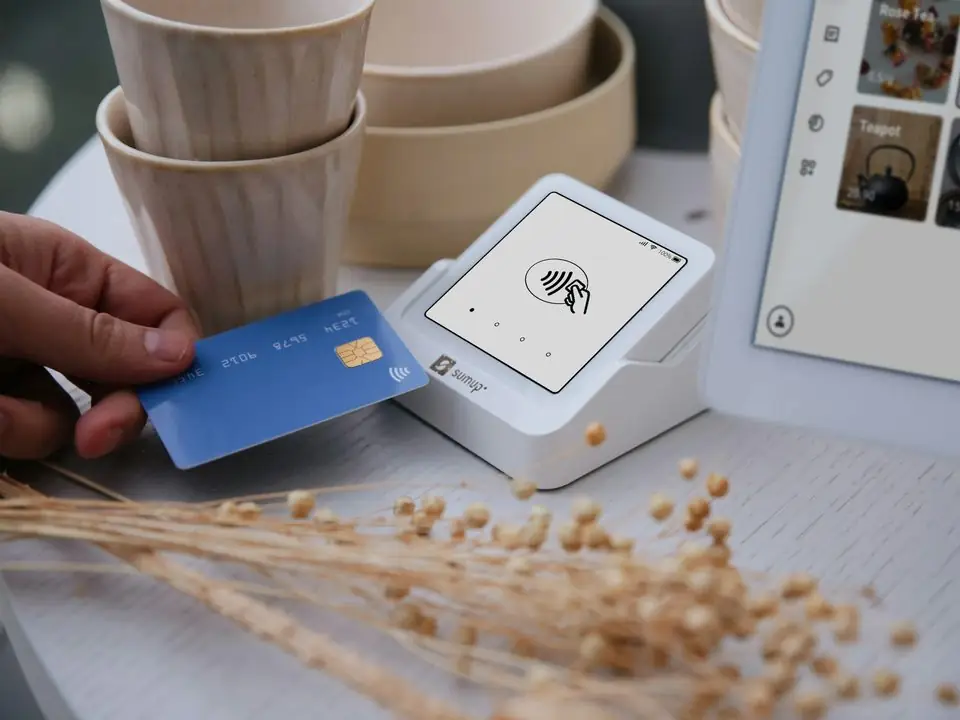
Test these in a store, during a busy hour if possible, not only in a meeting room.
Fit depends on number of stores, product range and how much you sell online.
| Platform | Retail format it suits | Strengths | Watch-outs |
|---|---|---|---|
| Odoo (POS, Inventory, eCommerce) | Single stores to mid-sized chains and omnichannel brands | Native POS, website and inventory in one database; offline-capable POS; loyalty and promotions | Large chains need careful performance planning and hardware testing |
| Zoho (Inventory, Books, Commerce) | Small retailers and online-first brands with few stores | Simple stock and order management, marketplace and online store connections, quick setup | Zoho's own POS options are lighter; many retailers connect a third-party POS |
| ERPNext | Cost-aware chains with in-house or partner IT | POS, item variants, multi-warehouse stock and accounting with no license fee | POS experience and promotions may need tuning; plan support capacity |
| Dynamics 365 Business Central with a retail add-on | Mid-sized and larger chains and multi-brand groups | Strong finance and multi-company setup; retail add-ons from independent vendors extend POS and store operations | Licensing across add-ons and users adds up; needs specialist partner setup |
| Custom ERP | Retailers with unusual models such as rental, made-to-measure or consignment | Built around your exact store and customer flows | Higher build effort; you maintain POS integrations |
| Standalone retail POS (we do not implement) | Retailers that want a specific POS brand | Polished checkout and store tools | Needs integration with ERP for purchasing and accounts; check sync of products and prices |
| SAP or NetSuite (we do not implement) | Large retail groups on those vendors | Scale and mature financials | Retail depth may rely on add-ons; we support migration when the fit has gone |
Ask vendors to process a sale, a cross-store return and a promotion during the demo, ideally on your own POS hardware.
Retail projects succeed when store managers are involved early, not only finance and IT.
List stores, registers per store, average daily transactions, peak season and online share. This sizes the POS and tells you how much offline capability you need.
Retail ERP depends on clean SKUs, variants, barcodes and categories. Fix duplicates and missing barcodes before demos so you test the system, not your data.
Install the POS candidate in one store or a training counter and let cashiers use it for a day. Measure checkout time and errors.
Ask each vendor to show how fast-selling items get reordered or transferred from the warehouse, and how slow movers are flagged.
Go live in a pilot store, fix issues, then roll out to the rest in waves. Avoid launching just before Dubai Shopping Festival, Ramadan or back-to-school peaks.
Retail generates large volumes of small transactions, so tax settings must be right from day one. Confirm treatment with your tax advisor.
VAT is 5% and administered by the FTA, with returns filed through EmaraTax. Retail receipts must meet tax invoice requirements, including your TRN, and prices shown to customers are generally VAT-inclusive. Your POS and ERP should keep a full audit trail on voids, discounts and refunds.
Retailers participating in the UAE's tax refund scheme for tourists need POS processes that tag eligible sales and integrate with the operator's system. Check the current scheme rules before configuring.
Store teams are paid through MOHRE's Wage Protection System using a Salary Information File. Sales commissions, shift rotations and end-of-service gratuity under Federal Decree-Law No. 33 of 2021 should flow into payroll correctly.
Corporate tax under Federal Decree-Law No. 47 of 2022 is 9% above AED 375,000 of taxable income. E-invoicing via Accredited Service Providers using PINT AE starts in 2027 by revenue size and mainly affects B2B invoices; check the latest Ministry of Finance and FTA guidance on retail scope.
General information, not tax or legal advice. Rules change; confirm current FTA, MOHRE and Ministry of Finance guidance with your advisor.
More on retail processes, POS and platform options.
We configure the system for the rules UAE businesses report against, and test it before go-live.
General information, not tax or legal advice. Confirm current requirements with the FTA, MOHRE or your advisor. See all UAE compliance guides.
On-site workshops in Dubai, Abu Dhabi and Sharjah, and remote or on-site delivery across the Northern Emirates and free zones.
Official sources and references
Facts on this page were checked against these sources in October 2026. Rules change, so confirm current requirements before acting.
Still have a question? Our consultants are happy to help.
Ask an ExpertA single store usually needs a reliable POS, simple stock control and VAT-ready receipts. Odoo POS with Inventory, or Zoho Inventory with a connected POS, often fits well. Keep the setup simple and add features as you open more stores.
Chains need store transfers, central pricing, promotions and branch-level reporting. Odoo and Dynamics 365 Business Central with a retail add-on are common choices. Our multi-branch ERP guide explains how branch structures are set up.
Yes. Odoo includes its own eCommerce app sharing stock with POS, and other platforms connect to Shopify or similar stores. The key is one product master and one stock pool so web orders do not oversell.
Odoo POS and several other POS systems can keep selling offline and sync later. Test this during the store trial, because offline behavior varies with version, hardware and payment terminals.
A single store often goes live in 4 to 8 weeks. Chains usually pilot one store over 2 to 3 months, then roll out to remaining stores in waves over the following months.
Often, yes. If your POS supports an API or reliable exports, we can integrate it with the new ERP for products, prices, sales and stock. We check the POS capabilities during discovery before recommending this route.
Related Solutions
Related Industries
Related ERP Platforms
Tell us your store count and current POS, and we will propose a pilot plan with two shortlisted ERP options.
Dubai, United Arab Emirates