
L
O
A
D
I
N
G


Zoho, Odoo, ERPNext, Dynamics 365 and custom ERP, delivered by one accountable team.

We set up pharmacy ERP that links the counter, the shelf and the supplier, so every pack sold, expired or returned is traceable by batch across your UAE branches.
An ERP for pharmacies in the UAE links the dispensing counter, the shelf and suppliers, tracking every pack by batch and expiry date. It uses first-expiry-first-out picking with near-expiry alerts by branch, splits counter bills between insurer share and patient co-pay, tracks distributor returns, bonus goods and credit notes, and flags controlled and prescription-only items.
ERP for pharmacies in the UAE has to manage something ordinary retail software ignores: the same product sitting on the shelf in three batches with three expiry dates, some of it dispensed against an insurance prescription and some sold over the counter with a different price and VAT rule. Whether you run one community pharmacy in Al Karama or a chain spread across Dubai, Sharjah and the Northern Emirates, the margin is lost in expired stock, unclaimed insurance amounts and supplier credit notes nobody chased.
A pharmacy ERP joins the dispensing counter to inventory, purchasing and accounts. The counter records the batch sold, collects the patient co-pay and creates the insurer receivable. Purchasing knows what is close to expiry and what to return to the distributor. Finance sees margin by branch, by category and by supplier, including bonus goods that distributors often add instead of discounts.
We implement pharmacy operations on Odoo, ERPNext, Zoho and Dynamics 365, and we integrate with the insurance claim tools or pharmacy dispensing systems you already use where replacing them makes no sense. If you distribute medicines to pharmacies rather than sell to patients, see ERP for pharmaceutical distribution instead.
Pharmacy owners and chain finance managers describe the same handful of issues again and again.
Short-dated stock is discovered during a quarterly count, after the distributor's return window has closed. The loss goes straight to margin.
The patient pays the co-pay and leaves, but the insurer portion depends on a claim that may be rejected for a missing approval or wrong code. Without tracking, those amounts age silently.
Distributors often give free units instead of discounts. If the ERP records them at zero cost on separate lines, product margin and stock valuation are both wrong.
One branch is out of a fast mover while another holds months of cover. Transfers happen by phone and are not always recorded in the system.
Narcotic, psychotropic and other controlled medicines need dispensing and stock records that match exactly. Manual registers make inspections stressful.
We configure each step so the batch number travels from the supplier invoice to the patient receipt.
One shared database: every step updates stock, finance and reports in real time.
These are the building blocks we put in place for single pharmacies and chains alike.
Fast barcode billing, prescription capture, insurer and co-pay split, and receipts with VAT shown correctly per item.
Every receipt records batch and expiry; sales and transfers pick the earliest expiry first unless a pharmacist overrides it.
Reorder suggestions per branch based on sales history, with distributor price lists and bonus schemes held on the supplier record.
Return authorizations for short-dated or damaged stock, followed through to credit notes so nothing is forgotten.
Insurer and TPA accounts with claim batches, remittance matching and rejection follow-up by branch.
Requests and transfers between branches with in-transit stock, so the chain sees one accurate position.
Branch-level P&L, VAT codes per item category and supplier statement reconciliation.
Pharmacist license expiry tracking, shift rosters, WPS payroll and gratuity accruals.
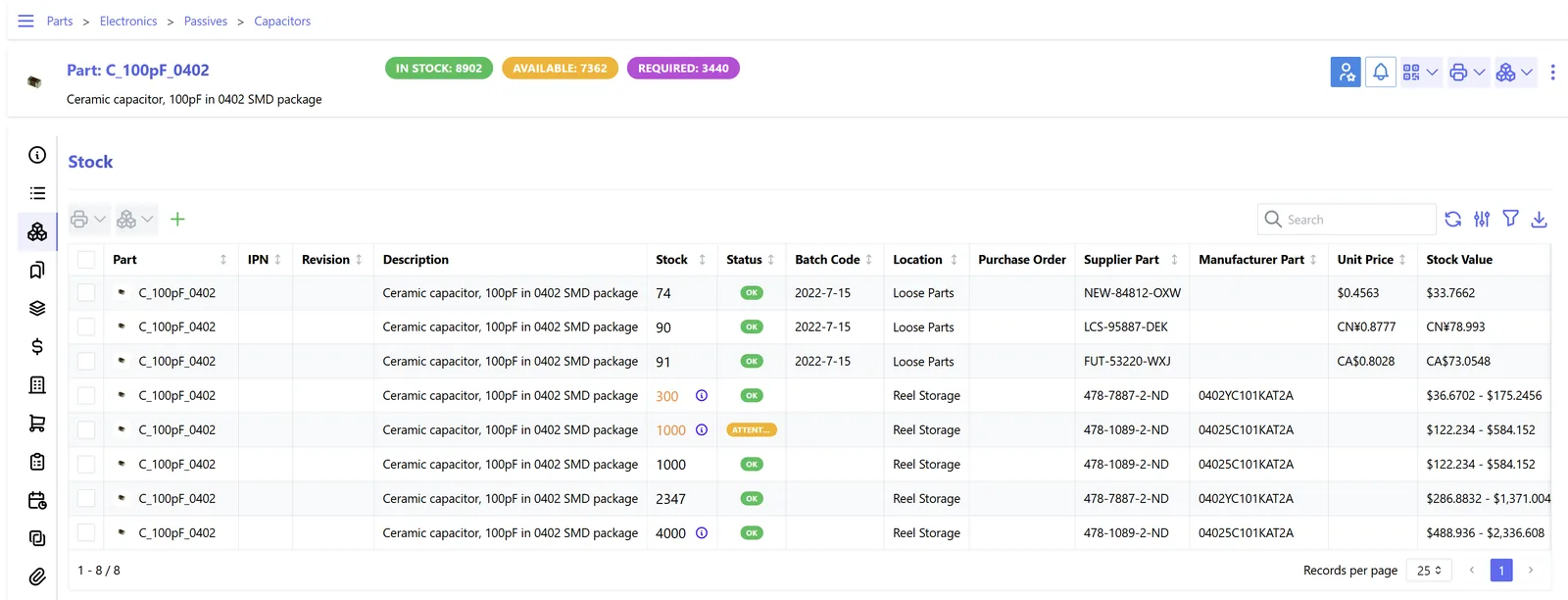
A stock-first view, because expiry and availability drive pharmacy profit more than any other number.
All four platforms can run a pharmacy. The question is which fits your size, IT appetite and insurance workflow.
| Pharmacy profile | Platform that usually fits | Why it fits | Watch-out |
|---|---|---|---|
| Independent pharmacy, one or two outlets | Odoo with POS and Inventory | Integrated POS, lots and expiry, and accounting without a large team | Insurance claim handling usually needs a configured flow or an existing claims tool |
| Growing chain wanting central control | Odoo or ERPNext | Multi-warehouse stock, inter-branch transfers and central purchasing | Plan offline POS behavior and network resilience per branch |
| Chain wanting open source and self-hosting | ERPNext | Batch and expiry built in, point of sale, no per-user licence fees | Needs dependable hosting and an upgrade plan |
| Pharmacy inside a larger retail or healthcare group | Dynamics 365 Business Central | Group consolidation, Microsoft reporting, partner POS add-ons | POS is usually a separate add-on; scope it carefully |
| Online pharmacy or delivery-led model | Odoo or Zoho with ecommerce integration | Website or app orders flow into the same stock and accounts | Prescription validation steps must be designed in, not added later |
We implement Zoho, Odoo, ERPNext, Dynamics 365 and custom ERP, and integrate with existing dispensing or claims systems where needed.
We configure the ERP to support these rules. Confirm current obligations with your regulator and your tax advisor.
Certain medicines and medical equipment specified by Cabinet Decision are zero-rated, while cosmetics, supplements and many other pharmacy retail items are standard-rated at 5%. Item-level tax codes keep the counter receipt and the VAT return accurate.
The UAE's national pharmaceutical track-and-trace platform, Tatmeen, relies on GS1 identifiers on packs. We plan barcode formats and scanning so batch, expiry and serial data are captured once and reused; check current obligations for your pharmacy type.
Controlled and prescription-only items can be flagged so the counter requires prescription details, and stock movements produce a clear register for inspections by the relevant health authority.
Invoices to insurers, corporate clients or other pharmacies are B2B and fall within the planned PINT AE e-invoicing scope through an Accredited Service Provider. Check the latest Ministry of Finance and FTA guidance for your timeline.
Pharmacists and assistants are paid through WPS with a Salary Information File, and end-of-service gratuity is accrued under UAE Labour Law.
General information, not tax or legal advice. Rules change; confirm current FTA, MOHRE and Ministry of Finance guidance with your advisor.
We do not promise percentages. These are the operational gains owners usually look for after go-live.
Near-expiry alerts reach purchasing while the distributor return window is still open.
Every insurer portion is visible as a receivable and rejected claims are worked, not forgotten.
Bonus goods are costed properly, so pricing and supplier negotiations use true margins.
Barcode scanning with automatic batch selection cuts billing time and errors at busy hours.
Indicative ranges; a chain with many branches is normally rolled out in waves.
Durations are typical ranges; your plan is agreed after discovery.
Review product master, supplier terms, insurer contracts and the current counter process.
Standardize barcodes, units, tax codes and controlled-item flags, which is often the biggest task.
Set up POS, lot tracking, replenishment rules, insurer accounts and branch transfers.
Count and load stock with batch and expiry, branch by branch.
Go live in one pilot branch, fix issues, then roll out to the remaining branches.
More on healthcare ERP, retail POS and the platforms we implement.
We configure the system for the rules UAE businesses report against, and test it before go-live.
General information, not tax or legal advice. Confirm current requirements with the FTA, MOHRE or your advisor. See all UAE compliance guides.
On-site workshops in Dubai, Abu Dhabi and Sharjah, and remote or on-site delivery across the Northern Emirates and free zones.
Official sources and references
Facts on this page were checked against these sources in October 2026. Rules change, so confirm current requirements before acting.
Still have a question? Our consultants are happy to help.
Ask an ExpertYes. The counter records the full price, the insurer share based on the patient's plan and the co-pay collected. The insurer share becomes a receivable on the insurer account until the claim is paid or rejected.
We configure first-expiry-first-out, so the earliest expiring batch is suggested automatically. If a pharmacist scans a pack from a different batch, the system records that actual batch instead.
Bonus units are received on the same purchase as the paid units, and cost is spread across all units so the average cost reflects what you really paid. This keeps margin reports honest.
Often, yes. If your current tool handles insurer eligibility and claims well, we integrate it with the ERP so sales, stock and receivables post automatically.
Odoo and ERPNext POS can continue selling offline and sync when the connection returns. We test this during the pilot and agree how stock reservations behave in the meantime.
It can be, particularly if expiry losses or uncollected insurance amounts are noticeable. A single pharmacy can start with POS, inventory and accounting and add modules later.
Related Solutions
Related Industries
Related ERP Platforms
Related Guides
Call +971 55 145 3265 or email contact@uaeerpexperts.com to discuss your branches, suppliers and insurance workflow.
Dubai, United Arab Emirates