L
O
A
D
I
N
G


Zoho, Odoo, ERPNext, Dynamics 365 and custom ERP, delivered by one accountable team.

Clinics need appointments, patient billing, insurance follow-up and consumables control in one place. We set up ERPNext and its healthcare app for UAE outpatient settings.
ERPNext for healthcare in the UAE combines ERPNext with the open-source Frappe healthcare app to manage patients, practitioners, appointments, consultations, lab tests and billing, on top of accounting, stock and HR. It fits outpatient settings such as polyclinics, dental and dermatology clinics, physiotherapy centres and diagnostic labs. Large hospitals with inpatient wards usually need a dedicated hospital information system.
ERPNext for healthcare in the UAE means ERPNext combined with the open source healthcare app maintained in the Frappe ecosystem. Together they cover patients, practitioners, appointments, consultations, lab tests, clinical procedures and billing, sitting on top of ERPNext's accounting, stock, purchasing and HR. The best fit is outpatient: polyclinics, dental and dermatology clinics, physiotherapy centers, diagnostic labs and day-care centers.
We are careful about scope. Large hospitals with inpatient wards, operating theatres and deep integration with DHA, DOH or MOHAP systems usually need a dedicated hospital information system. In those cases ERPNext can still run finance, procurement, inventory and HR alongside the clinical system, and we integrate the two rather than replace the HIS.
Healthcare data is sensitive. UAE law places limits on where health data can be stored and processed, so hosting location is decided early with your legal advisor. For a platform-neutral view of clinic software, see ERP for clinics in the UAE.

The products we configure, integrate and support on projects like this one.
 ERPNext
 Frappe HR
 Frappe Framework
 Frappe CRM
Product names and logos are trademarks of their respective owners and are shown only to identify the software we implement.
These are business-side problems clinic owners and practice managers raise. Clinical documentation is a separate discussion.
Claims are submitted through payer portals, but rejections, partial payments and resubmissions are tracked in spreadsheets. Outstanding insurance balances are rarely accurate.
Dressings, injections and dental materials are used in procedures without being recorded. The clinic absorbs the cost and stock runs out unexpectedly.
Front desk books in one calendar, doctors check another and billing uses a third. No-shows and double bookings follow.
Many clinics pay doctors a share of collected revenue. Calculating it each month from separate billing reports takes days and causes disputes.
Clinics with branches in Dubai and Sharjah keep separate books, making it hard to compare revenue per doctor or cost per visit across sites.
How a typical clinic visit moves through ERPNext and the healthcare app.
One shared database: every step updates stock, finance and reports in real time.
The components we usually configure for a UAE clinic or medical center.
Patient master with Emirates ID or passport details, contact data, insurance details and visit history for billing purposes.
Practitioner schedules, service units such as rooms or chairs, and appointment booking with reminders.
Consultation records with prescriptions, lab orders and procedures that flow into billing.
Lab test templates, sample collection and results, plus clinical procedure templates with consumables attached.
Invoices for self-pay patients and insurers from the services delivered, with co-pay and discount handling.
Consumables and pharmacy items with batch and expiry tracking, issued to procedures and departments.
Supplier price lists, purchase orders and receipts for medical supplies with approval limits.
Staff licences and expiry dates, rosters, payroll with WPS file output and practitioner revenue share calculations.
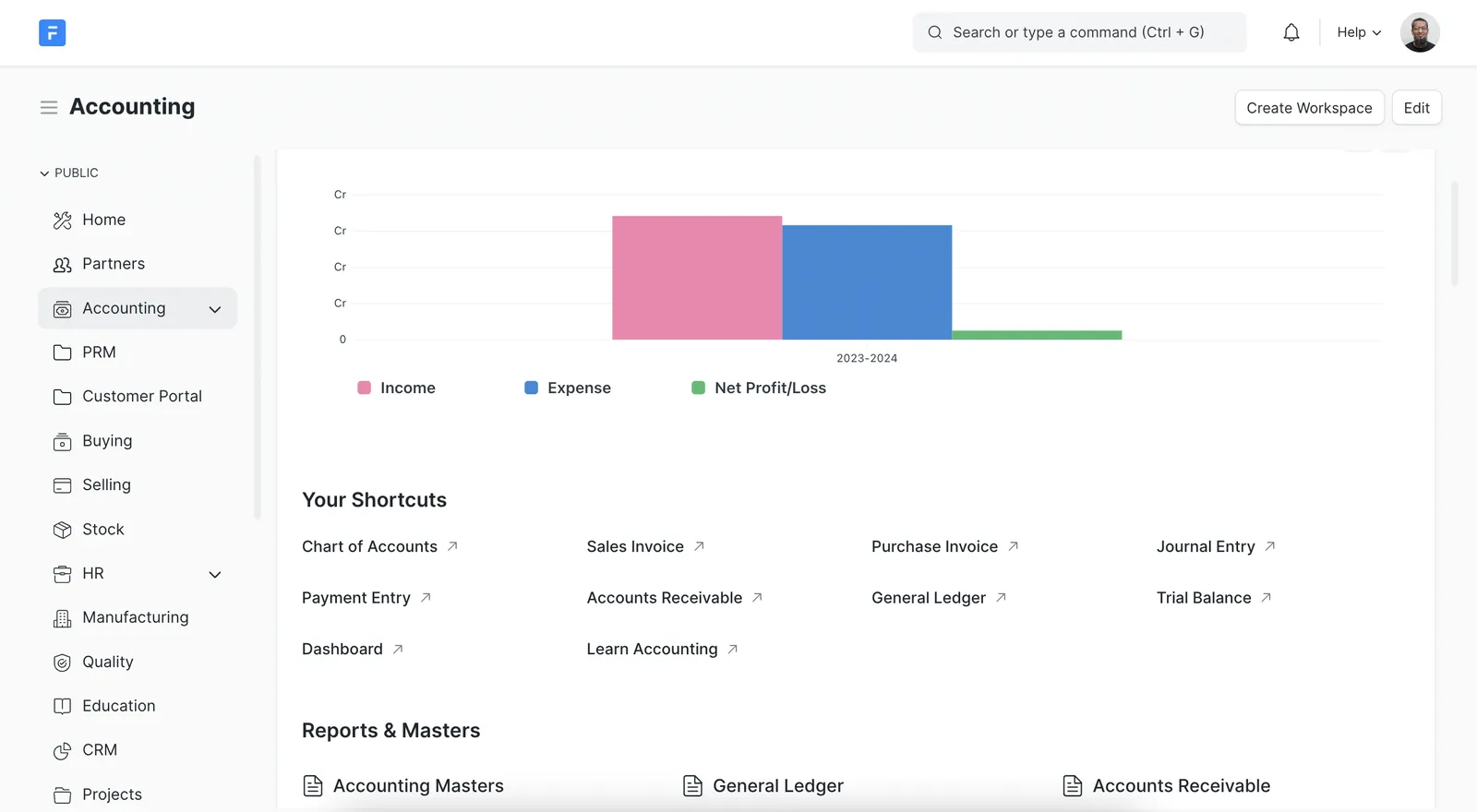
We set up a workspace for the medical director and practice manager that combines operational and financial measures.
ERPNext is configured to support these areas. Healthcare regulation and VAT treatment are specialist topics; confirm with your legal and tax advisors.
UAE federal law on the use of ICT in health fields restricts storing and processing health data outside the country, with limited exceptions. We plan UAE-based hosting and access controls with you and your legal advisor before any patient data is loaded.
Some preventive and basic healthcare services can be zero-rated, while others such as many cosmetic services are standard-rated at 5%. We configure tax templates per service type as your tax advisor confirms.
Clinics are licensed by DHA, DOH or MOHAP depending on the emirate, and insurance claims go through the relevant e-claims platforms. Integration with these platforms is specialist work; we assess it per project and do not assume it is standard.
Practitioner licences, visas and Emirates IDs have expiry dates that must be tracked. Payroll runs through WPS with gratuity accrued under the UAE Labour Law.
General information, not tax or legal advice. Rules change; confirm current FTA, MOHRE and Ministry of Finance guidance with your advisor.
A focused ERPNext rollout for a single outpatient clinic often takes 8 to 12 weeks. Multi-branch groups and integrations add time.
Durations are typical ranges; your plan is agreed after discovery.
Map patient flow, billing rules and payers, and agree a UAE hosting approach.
Services, procedures, lab tests, payer price lists and consumables linked to procedures.
Schedules, service units, invoice formats, receivable tracking and revenue share rules.
Front desk, nurses, doctors and accounts practice on a full simulated clinic day.
On-site support for the first days, then remote support through the first month-end.
More on ERP for clinics and medical centers in the UAE.
We configure the system for the rules UAE businesses report against, and test it before go-live.
General information, not tax or legal advice. Confirm current requirements with the FTA, MOHRE or your advisor. See all UAE compliance guides.
On-site workshops in Dubai, Abu Dhabi and Sharjah, and remote or on-site delivery across the Northern Emirates and free zones.
Official sources and references
Facts on this page were checked against these sources in October 2026. Rules change, so confirm current requirements before acting.
Still have a question? Our consultants are happy to help.
Ask an ExpertIt used to be a module inside ERPNext and is now a separate open source app installed alongside it. It uses the same database, so appointments and encounters flow directly into ERPNext billing and stock.
For small outpatient clinics it can cover most needs. For hospitals with inpatient care, theatres and complex clinical records, we usually recommend keeping a dedicated HIS and using ERPNext for finance, supply chain and HR.
ERPNext tracks insurer invoices, receipts and rejections. Direct submission to UAE e-claims platforms needs integration work that depends on the platform and your licence, so we scope it separately.
Because of UAE health data rules, we plan for hosting inside the UAE, on a local cloud region or on your own servers. The final decision should be confirmed with your legal advisor.
Yes. We set rules per practitioner, such as a share of collected revenue by service type, and generate a monthly statement that feeds into payroll or supplier payments.
It manages pharmacy items with batches and expiry dates, purchasing and issues to patients or procedures. Retail pharmacy chains have extra needs covered on our pharmacy ERP page.
Related Solutions
Related Industries
Related ERP Platforms
Tell us your specialties, payers and number of practitioners, and we will outline what ERPNext would cover and what it would not.
Dubai, United Arab Emirates