
L
O
A
D
I
N
G


Zoho, Odoo, ERPNext, Dynamics 365 and custom ERP, delivered by one accountable team.

Stop sales staff from looking up prices in spreadsheets and WhatsApp threads. Put every customer's agreed price in the ERP and let it apply on the quotation, the order and the invoice.
A UAE distributor manages customer-specific prices by holding named price lists in the ERP, such as retail, wholesale, key account, contract and export USD, each with currency, VAT treatment and validity dates. Each customer carries a default list, and the ERP applies the right price automatically on quotations, orders and invoices. Below-list overrides and price changes go through approval with an audit trail.
A typical Dubai or Sharjah distributor sells the same item at five or six different prices: a retail counter price, a wholesale price for small shops, a key-account price for a supermarket chain, a contract price agreed with a hotel group for 12 months, and an export price in USD for buyers in Oman or Africa. Customer price list software holds all of those prices in one place and decides, line by line, which one applies to the customer on the document.
Without it, the price comes from memory. The salesman checks an Excel file that was updated last quarter, or asks the sales manager on WhatsApp, or copies the price from the last invoice. Mistakes surface weeks later as a customer dispute, a credit note, or a margin report that does not add up. This page covers the selling side only: how agreed prices are stored, approved, applied and reviewed. Buying prices from vendors are covered on our supplier price list software page, and one-off and volume discounts on the trade discount management page.
Within a wider distribution management system, the customer price list is the control that protects gross margin before the invoice is raised, which is far cheaper than chasing errors after it.

These are the pricing problems we hear most often from wholesalers, FMCG distributors and building-material traders across the emirates.
Head office emails a new list, but two salesmen keep using the old file on their phones. Customers in Al Quoz pay one price and customers in Mussafah pay another for no commercial reason.
A hotel group negotiated fixed prices until 31 December, but nobody set an end date. The company keeps selling at the old rate for months after supplier costs went up.
Sales staff can type any price on the invoice. When margin drops, nobody can tell whether it came from a deliberate deal, a typo or a favor to a friendly buyer.
Retail counter prices are quoted including 5% VAT while B2B lists are exclusive. When both sit in one spreadsheet, invoices go out with VAT added twice or not at all.
Export customers buy in USD by the carton while local shops buy in AED by the piece. A price per piece applied to a carton line is an expensive mistake that repeats until someone notices.
Management cannot answer a simple question: which customers buy below the standard list, by how much, and is that still justified by their volume?
Prices are maintained by one owner, approved once, and then applied by the system on every document. Sales staff select the customer and the item; the ERP supplies the price.
One shared database: every step updates stock, finance and reports in real time.
Customer pricing touches more than the sales screen. These are the parts of the system we set up together.
Named lists such as Retail AED, Wholesale AED, Key Account and Export USD, each with currency, VAT treatment and validity dates.
Each customer record carries its default price list, payment terms and customer group, so the right list is picked without a lookup.
Prices per piece, carton or pallet with conversion factors, so a carton line always picks the carton price.
The applicable price is filled in automatically and shown alongside the standard list price, so the salesman sees any gap.
Price changes and below-list overrides go to the sales manager or finance before the document can be confirmed.
Pricing sits beside the credit limit check, so a special price never bypasses an overdue account review.
Sales by customer at actual price versus list price and versus cost, showing where discounts are eating margin.
The same price lists sync to the field app, so a van salesman in Ajman sees the price agreed at head office.
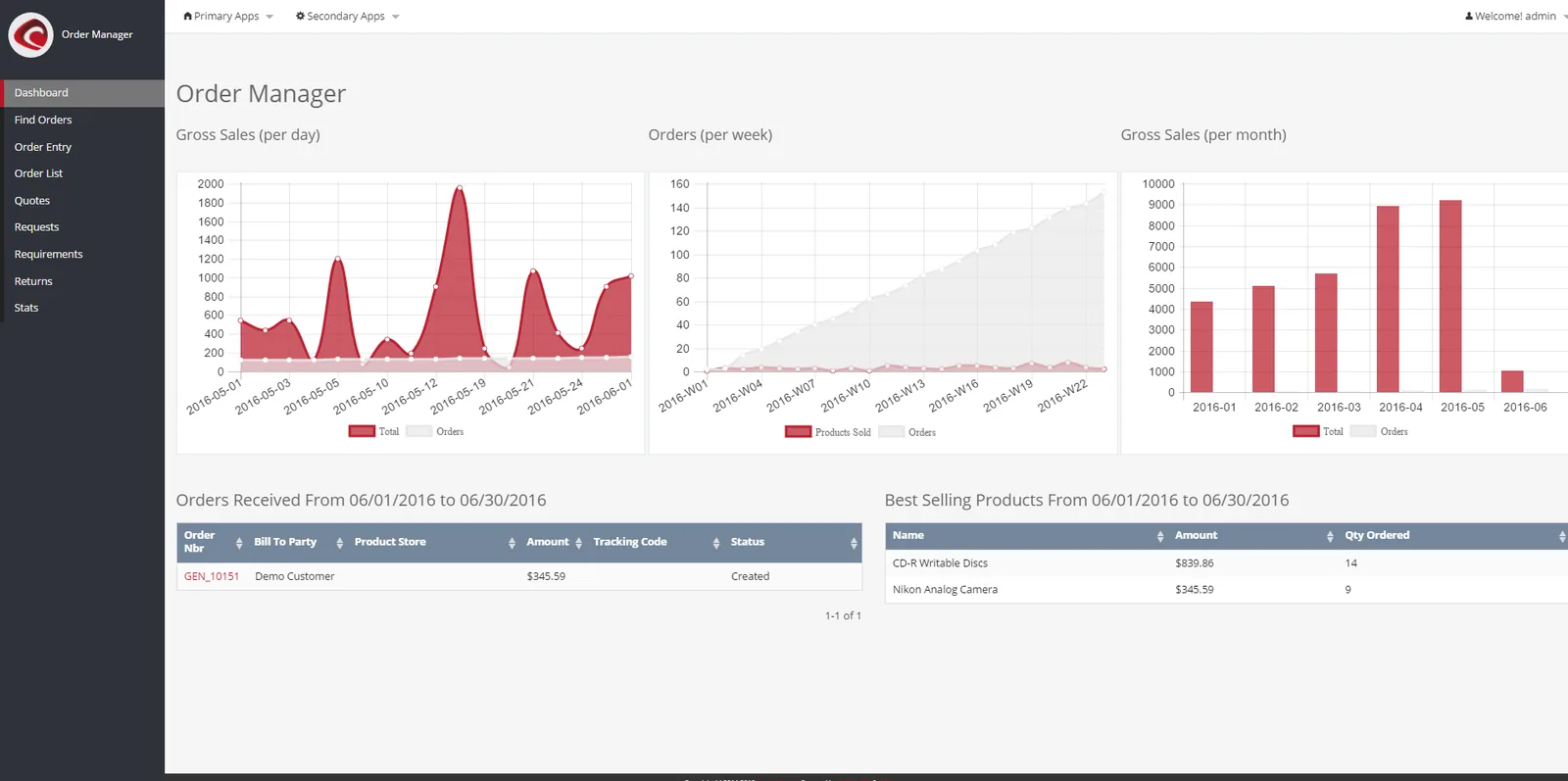
A pricing dashboard is about exceptions: where actual selling prices drift from the agreed list, and which contracts are about to expire.
All four platforms we implement support customer-specific pricing. The difference is in how rules are layered and how much configuration is needed. Confirm details against your edition.
| Zoho | Odoo | ERPNext | Dynamics 365 | |
|---|---|---|---|---|
| Where prices live | Price lists in Zoho Books and Zoho Inventory; price books in Zoho CRM | Pricelists in the Sales app with rules per product or category | Price List and Item Price records, plus Pricing Rules | Sales price lists in Business Central (newer price experience) |
| Assign to a customer | Default price list on the customer record | Pricelist on the customer, or by country group | Default price list on customer or customer group | Price list per customer, customer price group or campaign |
| Quantity breaks | Volume pricing available in recent editions; confirm for your plan | Minimum quantity per rule | Pricing Rule with min and max quantity | Minimum quantity per price line |
| Validity dates | Limited; often handled by swapping lists | Start and end dates per rule | Valid from and valid upto on rules and item prices | Starting and ending dates per line |
| Multi-currency lists | Supported per price list | Supported, one currency per pricelist | Supported, one currency per price list | Supported via currency code on the list |
| Override control | Role permissions; approvals via custom workflow | Access rights plus approval rules where configured | Role permissions and workflow on Sales Order | Permissions plus approval workflows |
| Best fit | Small and mid-size traders who want simple lists | Distributors needing layered rules and promotions | Teams wanting granular rules by territory and group | Larger distributors with many price groups |
Feature names and limits change between versions. We confirm the exact behavior on your edition during discovery.
A price list is only useful if every channel reads the same one. These are the connections we typically set up.
Pricing itself is commercial, but a few UAE rules shape how the price list must be configured. Confirm specifics with your tax advisor.
Prices shown to consumers in the UAE are generally expected to include VAT, while B2B lists are usually exclusive. Each price list needs a clear tax-inclusive flag so the invoice calculates the 5% correctly.
The unit price, quantity, discount and VAT on the tax invoice must reconcile. Applying prices from the system rather than typing them reduces errors that later need tax credit notes.
Under the coming PINT AE e-invoicing model, line prices and allowances travel as structured data through an Accredited Service Provider. Clean, system-driven pricing makes that data consistent; check the latest MoF and FTA guidance for dates.
Keep price list history and approval records with your accounting records, which UAE tax law generally requires for at least five years.
General information, not tax or legal advice. Rules change; confirm current FTA, MOHRE and Ministry of Finance guidance with your advisor.
We do not promise numbers, but these are the outcomes companies usually aim for.
Customers are invoiced at the price they agreed, so credit notes for price corrections become the exception.
Every below-list sale is recorded with a reason and an approver, so management can see and challenge it.
Sales staff build quotations without phone calls to the office, including in the field.
When supplier costs rise, new lists go live on a set date for all channels at once.
Pricing is usually part of a sales or distribution rollout. As a standalone improvement on an existing ERP, it often takes 3-6 weeks.
Durations are typical ranges; your plan is agreed after discovery.
Collect every list, contract and spreadsheet in use, and agree which ones become official price lists.
Decide lists, customer groups, units, currencies, VAT treatment and who owns each list.
Build lists and rules, import prices, assign customers and set override permissions.
Run recent orders through the system and compare the result with what was actually invoiced.
Switch sales staff to system prices and review the override report weekly for the first months.
We configure the system for the rules UAE businesses report against, and test it before go-live.
General information, not tax or legal advice. Confirm current requirements with the FTA, MOHRE or your advisor. See all UAE compliance guides.
On-site workshops in Dubai, Abu Dhabi and Sharjah, and remote or on-site delivery across the Northern Emirates and free zones.
Official sources and references
Facts on this page were checked against these sources in October 2026. Rules change, so confirm current requirements before acting.
Still have a question? Our consultants are happy to help.
Ask an ExpertUsually a customer has one default list, with rules layered on top for specific items or quantities. Some platforms also let you pick a different list per order, for example an export list for a re-export shipment. We design the structure so the default covers most orders.
Create a contract price list or rule with start and end dates and assign it to the customer. When it expires the system falls back to the standard list, and a report warns you before that happens.
Yes, if you allow it. We normally let staff reduce a price within a set limit and send anything beyond that to a manager for approval, with the reason recorded.
Yes, if the field app reads prices from the ERP. See our van sales software page for how price lists sync to devices that work offline.
A price list sets the agreed net price. Discounts are reductions on top, such as a volume or promotional discount. Many companies use both, and we configure them so they do not stack by accident.
Pricing and credit work side by side. Special prices should not let an account bypass its limit, so we connect pricing with customer credit management and the customer statement process.
Related Solutions
Related Industries
Related ERP Platforms
Send us your current price lists and a month of invoices, and we will show how an ERP would control them.
Dubai, United Arab Emirates










