L
O
A
D
I
N
G


Zoho, Odoo, ERPNext, Dynamics 365 and custom ERP, delivered by one accountable team.

Hamriyah Free Zone is home to steel, petrochemical, oil and gas, timber and food processing businesses with their own port access. We set up ERP that handles bulk materials, projects and plant upkeep.
Hamriyah Free Zone, Sharjah, UAEOn-site and remote ERP support
ERP software for Hamriyah Free Zone companies must handle bulk industrial operations: steel, petrochemicals, oil and gas services, timber and food processing. That means units in tonnes, litres and cubic metres, weighbridge readings on receipts and dispatches, heat and batch traceability, fabrication project costing and preventive maintenance for cranes and furnaces. Odoo, ERPNext and Dynamics 365 support these requirements.
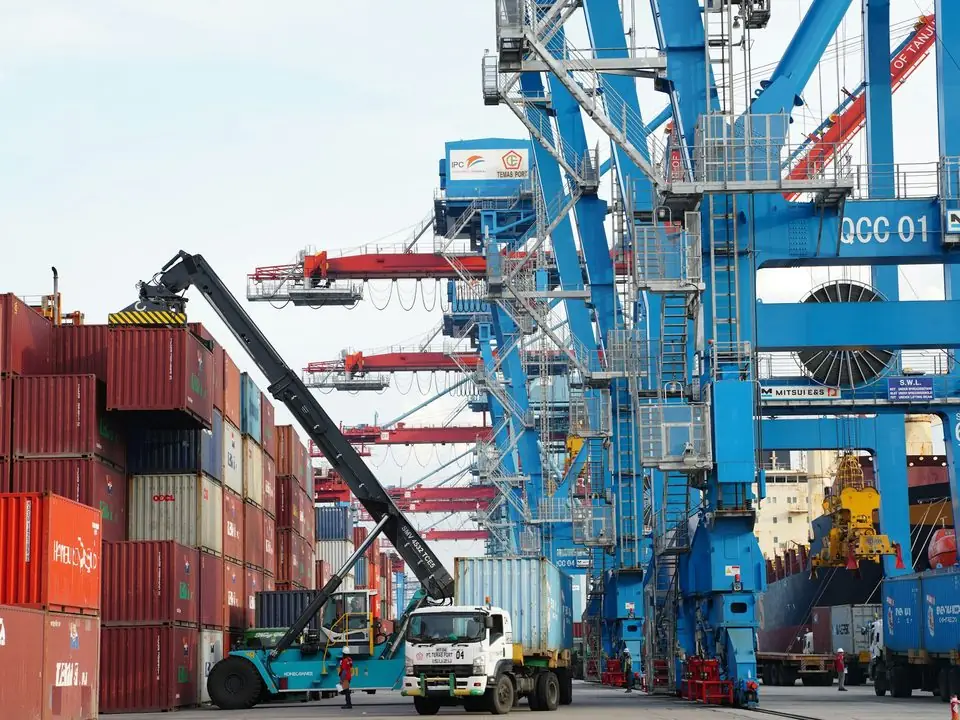
When industrial companies ask us about ERP software for Hamriyah Free Zone, the conversation is rarely about simple stock lists. Hamriyah, on the Sharjah coast near the Ajman border, is one of the UAE's larger industrial free zones. It is known for steel and metal processing, oil and gas services, petrochemicals and lubricants, timber and wood products, food processing and maritime businesses, many of them on large land plots.
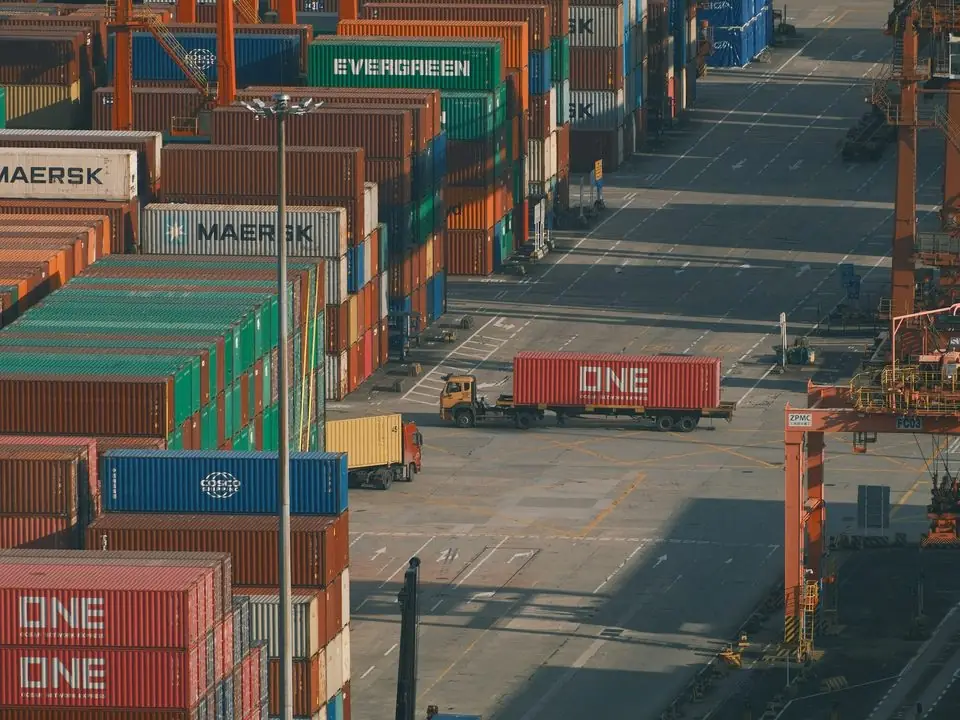
The zone's own port gives tenants direct access for bulk cargo, and some operations import raw materials by the shipload and sell finished goods across the GCC and beyond. That changes what an ERP has to do. Quantities are measured in tonnes, litres or cubic metres rather than pieces, weights come from weighbridges, and a single coil, tank or batch needs its own identity for quality and traceability.
Many Hamriyah companies also work on a project or order basis: fabricating steel structures, building skids, or supplying materials to a specific oil and gas contract. They need to see cost and progress per project as well as per product. Our ERP for steel manufacturing page goes further into mill and fabrication specifics.
We are based in Dubai, around 40 minutes from Hamriyah depending on traffic, and we deliver plant walk-throughs, workshops and go-live support on site. We implement Zoho, Odoo, ERPNext, Microsoft Dynamics 365 and custom ERP; for heavy industry, Odoo, ERPNext and Dynamics 365 are the usual candidates.
Industrial tenants in Hamriyah deal with goods moving through the zone's port, into the mainland and abroad. The ERP needs to record the right facts for VAT, corporate tax and customs. Confirm specific treatments with your tax advisor.
Hamriyah Free Zone is commonly listed among VAT designated zones, where certain supplies of goods can be outside the scope of VAT if strict conditions are met. Supplies into the mainland and most services follow normal rules. Check the current Cabinet Decision list and confirm with your tax advisor.
Manufacturing, processing and some trading in qualifying commodities can be qualifying activities for a Qualifying Free Zone Person, subject to substance and de minimis conditions. Recording revenue by activity, product family and customer type supports your advisor's review.
Zero-rating exported goods depends on holding proper export evidence. Bills of lading, exit declarations and port documents can be attached to each sales invoice and dispatch in the ERP.
Heavy industry tenants usually keep inspection, permit and environmental records required by the zone authority and other regulators. ERP maintenance and quality modules can store these against equipment and sites, though the requirements themselves come from the relevant authority.
Shift allowances, overtime and accommodation deductions must be calculated before WPS Salary Information Files are submitted through your bank or agent, and end-of-service gratuity accrued under UAE Labour Law.
General information, not tax or legal advice. Rules change; confirm current FTA, MOHRE and Ministry of Finance guidance with your advisor.
This sequence reflects a steel or metal processor in Hamriyah that imports raw material through the port, processes or fabricates it against customer orders, and delivers to sites in the UAE or abroad.
One shared database: every step updates stock, finance and reports in real time.
These are the capabilities that separate an ERP that works in heavy industry from one that only works on paper.
Pull gross, tare and net weights from weighbridge software into receipts and deliveries, removing manual re-keying and disputes.
Record mill certificates and heat numbers on incoming steel, or batch numbers on chemicals, and trace them through to customer deliveries.
Track material issues, labour hours and subcontractor bills against each project or customer order, with progress billing where contracts allow.
Preventive schedules, work orders and spare parts for cranes, furnaces, compressors and vehicles, with downtime recorded by asset.
Inspection plans at receipt, in process and before dispatch, with test results and certificates stored against the batch.
Plan dispatches, record trucking and shipping costs, and attach bills of lading and delivery notes to each shipment.
We support clients in Hamriyah Free Zone and the industrial and port areas they connect with across Sharjah and Ajman.
Explore heavy industry ERP options and compare other Sharjah and northern emirates zones.
We configure the system for the rules UAE businesses report against, and test it before go-live.
General information, not tax or legal advice. Confirm current requirements with the FTA, MOHRE or your advisor. See all UAE compliance guides.
Nearby areas, free zones and emirates we serve from our Dubai base, alongside Hamriyah Free Zone.
Official sources and references
Facts on this page were checked against these sources in October 2026. Rules change, so confirm current requirements before acting.
Still have a question? Our consultants are happy to help.
Ask an ExpertYes. Odoo, ERPNext and Dynamics 365 all support multiple units of measure with conversion factors. For steel, we often set up items so they are bought by weight and sold by length or piece, with the conversion recorded per batch.
In most cases, yes. Weighbridge software typically exports readings or offers an API. We map those readings to receipts and deliveries so weights flow into stock and invoices without manual entry.
Odoo and ERPNext both combine manufacturing, projects and inventory, and suit small and mid-sized fabricators. Dynamics 365 is stronger where there are several entities or complex costing requirements. The best choice depends on whether you work make-to-order, make-to-stock or both.
No. Designated zone rules apply only to certain supplies of goods under conditions, and sales into the mainland and most services are taxed normally. Please confirm each transaction type with your tax advisor.
A single-site rollout covering finance, procurement, inventory, production and maintenance often takes 12-20 weeks. Equipment registers and bill of materials data usually need cleanup first.
Yes. We train store, production and maintenance staff on site in Hamriyah, using the screens and devices they will actually use, and keep training material for new joiners.
Related Solutions
Related Industries
Related ERP Platforms
Walk us through your materials, projects and equipment, and we will propose a rollout that fits heavy industry in Hamriyah.
Dubai, United Arab Emirates