L
O
A
D
I
N
G


Zoho, Odoo, ERPNext, Dynamics 365 and custom ERP, delivered by one accountable team.

Plan preventive maintenance, issue work orders, draw spare parts from stores and see what each breakdown really cost, without a separate CMMS that never talks to finance.
Maintenance management software in the UAE works best as a CMMS built into the ERP, so maintenance links to stores and finance. Each chiller, production line, generator or vehicle gets a preventive plan based on calendar days, running hours or meter readings; work orders are raised automatically, spare parts are drawn from stores, and every breakdown shows its true cost.
Maintenance management software in the UAE is usually bought after an expensive breakdown. A chiller fails in August, a production line in Dubai Industrial City stops because a bearing was not replaced, or a generator on a remote site misses its service. Looking back, the warning signs were there, but the schedule was on a whiteboard and the technician's notes were in a WhatsApp group.
A CMMS built into your ERP gives each piece of equipment a maintenance plan, based on calendar days, running hours or meter readings. The system raises work orders when they fall due, the technician records labor and parts on a phone, spare parts are issued from the store with a proper stock movement, and the cost lands on the right cost center. Breakdowns are logged with cause and downtime, so you can see which machines are eating the budget.
We configure maintenance management on Odoo, ERPNext, Microsoft Dynamics 365, Zoho or a custom build. This page is about your own equipment. If you send technicians to customer sites, our field service management software page is the closer match.
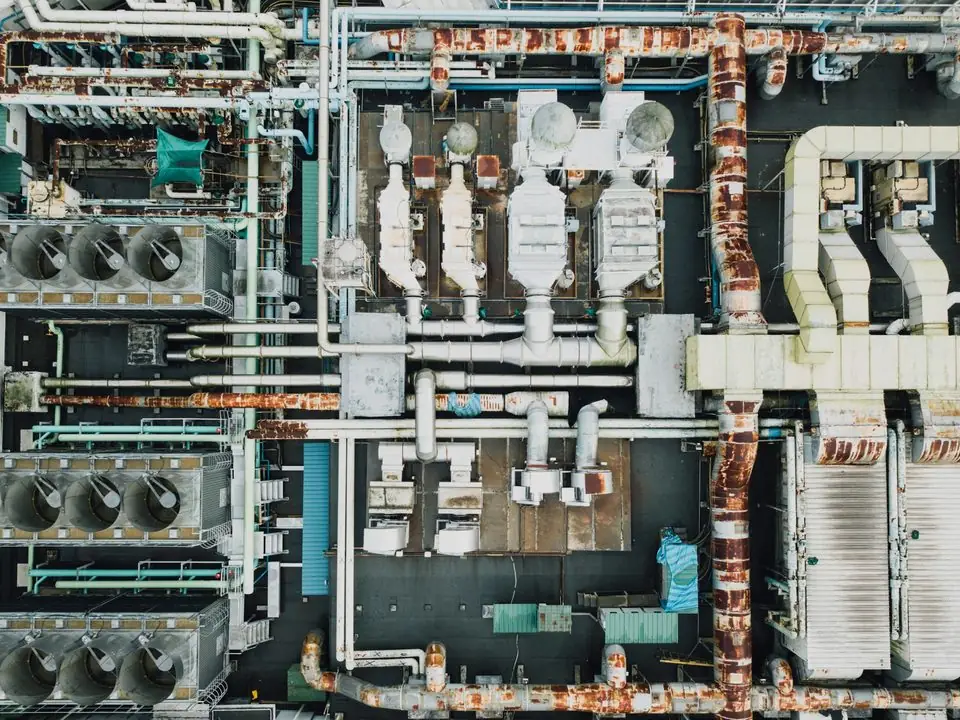
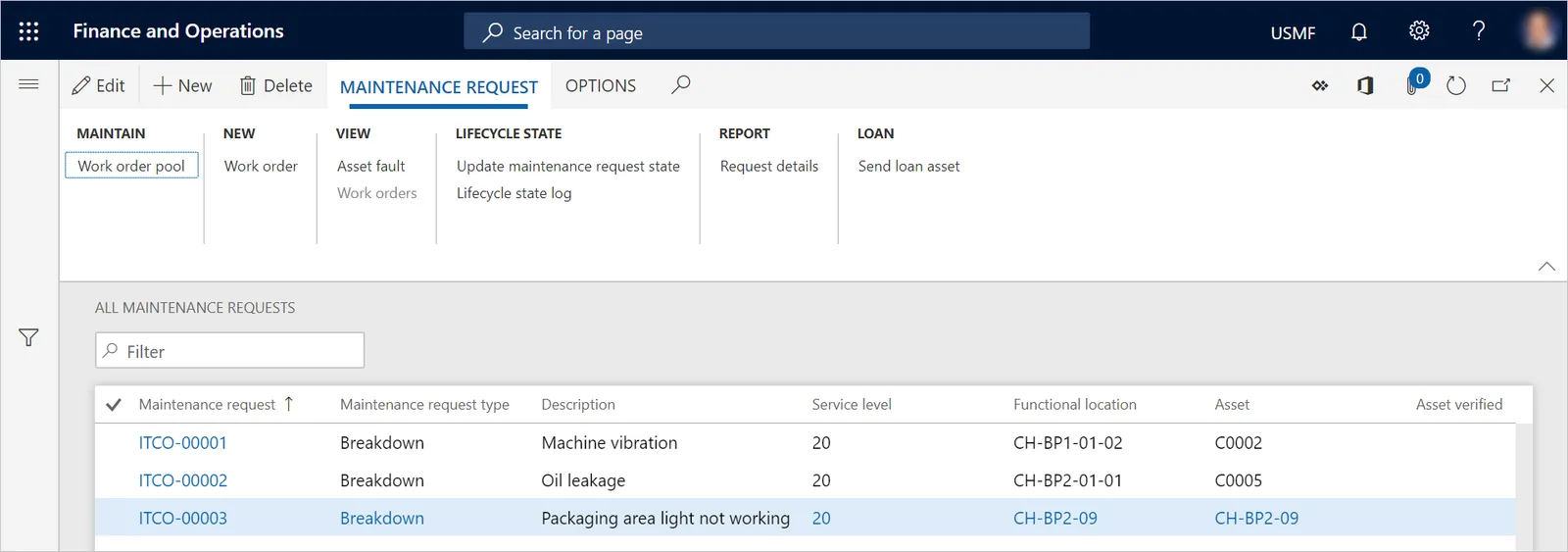
One screen shows what is due, what is overdue and what broke yesterday, across every site.
Corrective jobs start at the request step; preventive jobs are generated from the plan automatically.
One shared database: every step updates stock, finance and reports in real time.
The goal is fewer surprises and a cost history you can act on, not more forms for technicians.
Plans repeat every N days, weeks or running hours, and can follow the manufacturer's service intervals. Seasonal plans cover summer-critical equipment like chillers and AHUs.
Technicians open jobs on a phone, follow a checklist, add photos and record time. Supervisors approve completion before the job is closed.
Parts are reserved and issued from stores against the work order. Reorder levels for critical spares stop a cheap part from causing a long shutdown.
Breakdowns record start, end and cause. Mean time between failures and mean time to repair can be reported by machine or line.
Work done under annual maintenance contracts by outside vendors is logged against the equipment, with the vendor bill matched to the job.
Daily rounds, safety checks and statutory inspections use the same checklist engine, with failed items raising follow-up work orders automatically.
Each platform approaches maintenance differently. Your choice often follows the ERP already in place.
| Zoho | Odoo | ERPNext | Dynamics 365 | |
|---|---|---|---|---|
| Native maintenance | No dedicated CMMS app; usually built on Zoho Creator or handled in Zoho FSM | Maintenance app with equipment, teams, preventive and corrective requests | Asset Maintenance, maintenance schedules and Asset Repair | Maintenance in Supply Chain Management; basic options in Business Central |
| Preventive triggers | Custom rules in Creator workflows | Time-based plans; usage-based needs configuration | Periodic tasks with assigned team members | Time and counter-based plans in the asset management feature |
| Spare parts | Zoho Inventory items issued against jobs | Linked to Odoo Inventory consumption | Stock entries against repairs | Item consumption on work orders |
| Mobile use | Creator and FSM mobile apps | Odoo mobile and web interface | Frappe mobile-friendly web | Field Service mobile or Power Apps |
| Best fit | Simple facilities needing custom forms | Manufacturers and FM firms already on Odoo | Plants wanting asset and repair costs together | Larger operations with complex assets |
Feature availability depends on version and licensing. We verify the details for your scope before recommending one.
Most of the value comes from connecting maintenance to stores, purchasing and finance.
Good records help when an authority, insurer or client asks for proof. Confirm specific obligations with the relevant authority.
Civil Defence authorities in the emirates expect fire alarm, sprinkler and suppression systems to be maintained by approved contractors. Logging each visit and certificate against the equipment keeps proof in one place.
Lifting equipment, pressure vessels and similar items need periodic inspection under emirate-level safety rules and client requirements. Inspection due dates can be scheduled like any preventive task.
Contractor invoices and parts purchases carry 5% VAT. Capturing the tax invoice with the work order keeps input VAT claims supported.
Repair costs are usually expensed while upgrades may be capitalized. A clear split in the ERP supports your corporate tax computation; confirm treatment with your tax advisor.
General information, not tax or legal advice. Rules change; confirm current FTA, MOHRE and Ministry of Finance guidance with your advisor.
Explore modules and industries that rely on maintenance data.
We configure the system for the rules UAE businesses report against, and test it before go-live.
General information, not tax or legal advice. Confirm current requirements with the FTA, MOHRE or your advisor. See all UAE compliance guides.
On-site workshops in Dubai, Abu Dhabi and Sharjah, and remote or on-site delivery across the Northern Emirates and free zones.
Official sources and references
Facts on this page were checked against these sources in October 2026. Rules change, so confirm current requirements before acting.
Still have a question? Our consultants are happy to help.
Ask an ExpertA CMMS maintains your own equipment: machines, buildings, vehicles. Field service software schedules technicians to work on customer assets and bill for it. Facility management companies often need both, and the ERP can run them side by side.
Yes. Work orders, checklists, photos and time entries work on phones. We keep the mobile forms short, because long forms are the main reason technicians stop using a system.
Yes, where readings are entered manually or pulled from meters and PLCs. Generators, compressors and heavy equipment are commonly planned this way, with calendar limits as a backup.
We start from your asset register or an equipment survey, group items into categories with standard plans, and import them. Critical equipment gets detailed plans first; low-risk items can follow later.
Yes. Labor, spare parts and contractor bills are all tied to the work order, so cost per machine, line or building is a standard report rather than a monthly exercise.
For a single site with a clean equipment list, a working setup often takes 4-8 weeks. Multi-site rollouts with IoT readings or complex spares catalogs take longer and are usually phased.
Related Solutions
Related Industries
Related ERP Platforms
Related Guides
Tell us what equipment you run and we will outline a maintenance setup on your current ERP.
Dubai, United Arab Emirates