L
O
A
D
I
N
G


Zoho, Odoo, ERPNext, Dynamics 365 and custom ERP, delivered by one accountable team.

Put the full job card in the technician's hand: asset history, checklist, photos, parts from the van, time on site and the customer's signature, working even in basements and plant rooms without signal.
A field technician mobile app should give technicians offline job cards, QR or barcode asset scans with service history, checklists with mandatory readings, before and after photos, parts used from van stock, and customer signatures with a PDF service report. Data syncs to the work order, stock and billing when signal returns, which matters in UAE basements and plant rooms.
A field technician mobile app in the UAE is where most service data is born. Arrival time, the fault found, the work done, the parts used, the photos and the customer's sign-off are all captured by the technician on site. If that step is still a paper job card or a WhatsApp photo sent to the coordinator, every report built on top of it, from SLA compliance to contract margin, depends on someone retyping it correctly.
UAE conditions shape what the app must do. Plant rooms, car park basements and riser shafts in towers often have no signal, so the app must work offline and sync later. Technicians speak many languages, so screens should be simple and icon-led, with checklists written in plain English and translations where your platform supports them. Many sites require a QR or barcode scan of the asset to prove the technician was at the right unit, and building managers expect a clean PDF service report by email before the technician has left the site.
This page focuses on the app the technician uses. Which jobs land in it is decided on the technician scheduling board, and the technician's skills, documents and timesheets are covered in technician management software. For mobile ERP access beyond field service, see ERP mobile apps.
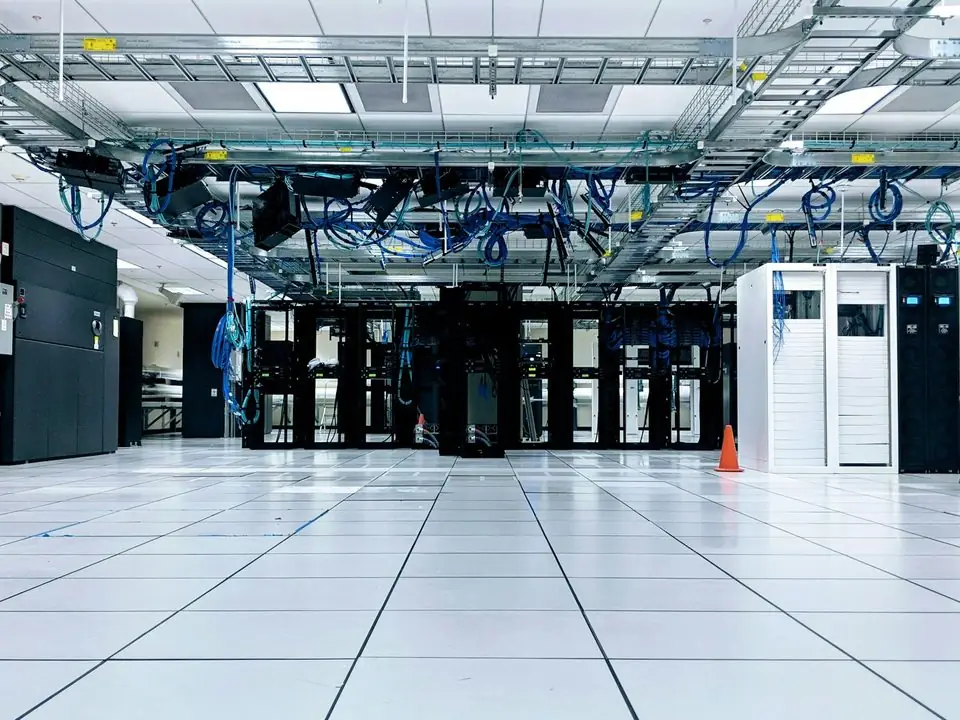
These are the issues we find when technicians report work through paper forms, phone calls and messaging groups.
Paper job cards come back days later, damp, incomplete or unreadable. Billing for chargeable work waits for them and some never arrive.
Before and after photos are sent to a WhatsApp group and never attached to the job. When a client disputes the work months later, the evidence cannot be found.
Without an asset scan or location stamp, there is no reliable record that the technician serviced the right unit at the stated time. SLA and PPM reports lose credibility.
Filters, contactors and refrigerant are taken from the van but not written down. Van stock drifts and chargeable parts are never invoiced.
Off-the-shelf form apps collect data but do not create the work order, update the asset or post parts to inventory. Someone still re-enters everything into the ERP.
Apps that need a live connection freeze in basements and plant rooms. Technicians give up and fill in the details later from memory.
What a technician does in the app on a typical visit, and what the ERP records at each step.
One shared database: every step updates stock, finance and reports in real time.
The app is only as useful as the ERP data it reads and writes. These are the building blocks.
Jobs, checklists and asset data cached on the device, with changes queued until the device reconnects.
QR or barcode labels on equipment open the asset record with past visits, readings and open defects.
Task lists per asset type with mandatory readings such as pressures, temperatures and amperage.
Before and after photos, stamped with time, stored against the work order rather than a phone gallery.
Parts selected from the technician's van location, posted to inventory and marked covered or chargeable.
Customer signature on screen, feedback rating and a PDF service report emailed automatically.
Travel start, arrival and completion times with location at check-in, feeding SLAs and timesheets.
Quotation for additional work or an invoice for chargeable items, raised from the job when policy allows.
Once technicians use the app consistently, supervisors and service managers get live data instead of end-of-day calls.
Each platform we implement has a mobile option for field work. Confirm offline behavior and features for your edition during evaluation.
| Zoho | Odoo | ERPNext | Dynamics 365 | |
|---|---|---|---|---|
| Native app | Zoho FSM mobile app for Android and iOS | Odoo mobile app and responsive web for Field Service | Frappe/ERPNext mobile access and PWA; custom app often built | Dynamics 365 Field Service mobile app |
| Offline use | Offline support for key actions; confirm for your plan | Limited offline in standard; often extended by a custom or partner app | Usually requires a custom offline-capable app | Offline profile configurable for the mobile app |
| Checklists | Job sheets on service appointments | Worksheets on Field Service tasks (Enterprise) | Custom checklists on Maintenance Visit | Inspections and service tasks |
| Asset scan | Barcode scanning in the mobile app; confirm field mapping | Barcode scanning in mobile and web views | Barcode and QR scanning via mobile camera | Barcode scanning on supported fields |
| Parts consumption | Parts on work orders; inventory sync with Zoho Inventory | Products added to the task and invoiced | Items on Maintenance Visit or a stock entry | Products on work orders posting to inventory |
| Signature and report | Customer signature and service report | Signature on worksheet and PDF report | Signature field with print format | Signature control and report generation |
Where the standard app falls short, a custom app on the platform's API is an option; see field service app development.
Each connection removes a manual step for the technician or the back office.
These are the compliance areas a technician app touches. Confirm specifics with your advisors.
If technicians issue invoices for chargeable work, the app must produce a valid tax invoice with your TRN, the customer's TRN where applicable and 5% VAT, generated from the ERP rather than a separate tool. Confirm details with your tax advisor.
Once UAE e-invoicing applies to your business, B2B invoices created from the field must carry the required data fields and be routed through your Accredited Service Provider. See UAE e-invoicing invoice fields and check the latest Ministry of Finance and FTA guidance.
Location data, customer contacts and photos inside homes are personal data under Federal Decree-Law 45 of 2021. Limit what the app collects, secure devices and control access.
Service reports, signatures and photos support invoices and contract claims. Keep them in the ERP for at least the 5-year record period that applies to tax records.
General information, not tax or legal advice. Rules change; confirm current FTA, MOHRE and Ministry of Finance guidance with your advisor.
Benefits teams typically look for. Results depend on adoption and connectivity planning.
Completed jobs with parts and signatures reach billing without waiting for paper.
Photos, readings, scans and signatures sit on the work order for audits and disputes.
Parts are posted as they are used, so reorders and reconciliations are reliable.
Coordinators manage exceptions instead of typing job cards.
For a standard platform app with configured checklists. Custom apps take longer. Ranges are typical.
Durations are typical ranges; your plan is agreed after discovery.
Turn paper job cards into checklists per asset type; define mandatory fields and report layout.
Configure the app, van stock locations and report templates; print and fix QR labels on assets.
Test offline behavior in real basements and plant rooms and gather technician feedback.
Train in small groups, in the languages your team uses, and monitor incomplete jobs daily.
We configure the system for the rules UAE businesses report against, and test it before go-live.
General information, not tax or legal advice. Confirm current requirements with the FTA, MOHRE or your advisor. See all UAE compliance guides.
On-site workshops in Dubai, Abu Dhabi and Sharjah, and remote or on-site delivery across the Northern Emirates and free zones.
Official sources and references
Facts on this page were checked against these sources in October 2026. Rules change, so confirm current requirements before acting.
Still have a question? Our consultants are happy to help.
Ask an ExpertIt depends on the platform and configuration. Some native field service apps support offline work for key actions; others need a custom app to work fully offline. Test this in your real sites during the pilot, especially basements and plant rooms.
Start with the platform's app if it covers your job card. Build a custom app when you need full offline use, a very simple interface for multi-language teams, or flows the standard app cannot handle. See field service app development.
Some companies allow it, but company-issued devices with mobile device management are easier to secure and replace. Either way, restrict data on the device and enable remote wipe.
Yes, where your policy allows. The invoice is created in the ERP from the job, and payment links or card terminals can be used. Many FM companies prefer office billing for contract work and on-site invoicing only for one-off residential jobs.
Scanning the label opens the right asset, shows its history and proves the technician was at that unit. It also prevents work being booked to the wrong asset in buildings with dozens of identical units. Our barcode inventory page covers labeling practices.
Zoho FSM and Odoo Field Service suit small and mid-sized teams; Dynamics 365 Field Service offers strong offline and scheduling depth for larger operations; ERPNext usually pairs with a custom app. We implement all four and recommend by fit.
Related Solutions
Related Industries
Related ERP Platforms
Send us your current job card and we will show how it would look as a mobile checklist with scans, photos, parts and signatures.
Dubai, United Arab Emirates