L
O
A
D
I
N
G


Zoho, Odoo, ERPNext, Dynamics 365 and custom ERP, delivered by one accountable team.

Trading margins in the UAE depend on knowing the real cost of every shipment. We configure Dynamics 365 Business Central so freight, duty and currency land on the item before you set a selling price.
Yes. For UAE trading companies, Dynamics 365 Business Central uses item charges to assign freight, insurance, customs duty, clearing and port fees to received goods by quantity, weight, volume or amount, so item cost reflects full landed cost. The adjust cost routine then updates cost of goods sold. It also handles foreign currency purchasing, lot tracking, price lists and credit limits.
Dynamics 365 for trading companies in the UAE is usually a Business Central project. Importers, re-exporters and wholesalers in Deira, Jebel Ali, Al Quoz and the Sharjah industrial areas use it to buy in USD, EUR or CNY, receive containers into one or more warehouses, and sell locally in AED or onward to buyers in Africa, the GCC and South Asia.
The feature that matters most for traders is item charges. Freight, insurance, customs duty, clearing fees and port charges arrive on separate invoices, often weeks after the goods. Business Central lets you assign each charge to the receipts it relates to, by quantity, weight, volume or amount, so the cost of each item reflects the full landed cost. Adjust cost routines then update cost of goods sold for items already sold.
Larger trading groups with heavy warehouse operations or several countries sometimes need Supply Chain Management instead. Most UAE traders are well served by Business Central with warehouse features switched on as needed. We implement Dynamics 365, Zoho, Odoo and ERPNext, so if a different platform suits your volumes better, we will say so. See also ERP for trading companies and best ERP for trading companies.
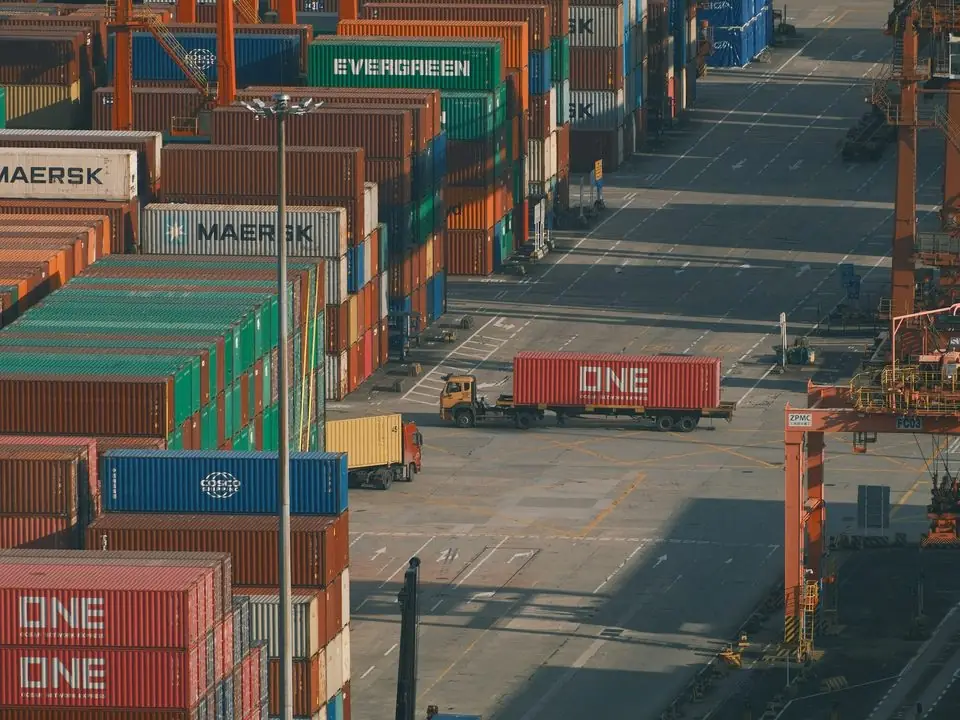
These issues come up in nearly every UAE trading company we meet.
Sales teams quote using the supplier invoice price because landed costs are not known yet. When freight and duty arrive, some sales turn out to have been made at a loss.
Goods sold to buyers outside the UAE may be zero-rated if export conditions and evidence are met. Without document tracking, the zero-rating can be hard to support at audit.
A purchase in USD or EUR may be paid months later at a different rate. Exchange gains and losses end up in a single line no one can explain.
Containers sit at Jebel Ali or in a free zone warehouse before customs clearance. Sales cannot see what is arriving, so they either over-promise or lose orders.
Wholesalers extend credit to many small buyers. Without enforced limits and blocked orders, overdue balances grow quietly.
We configure each step so costs and documents follow the shipment from supplier to customer.
One shared database: every step updates stock, finance and reports in real time.
These are the parts of Dynamics 365 Business Central we configure most often for trading companies.
Freight, insurance, duty and clearing charges assigned to receipts and rolled into item cost.
Vendor currencies, exchange rate tables and realized and unrealized gain or loss postings.
Separate locations for the main warehouse, showroom and free zone store, with transfer orders and in-transit codes.
Lot and serial numbers with expiry dates for goods such as food, chemicals or electronics.
Prices and discounts by customer group, quantity break and currency for wholesale and export buyers.
Credit limits, overdue checks and blocked customers, with approval workflows to release orders.
Bins, put-aways, picks and shipments for warehouses that need tighter control than simple locations.
Availability by date including expected receipts, plus reorder suggestions from the planning worksheet.
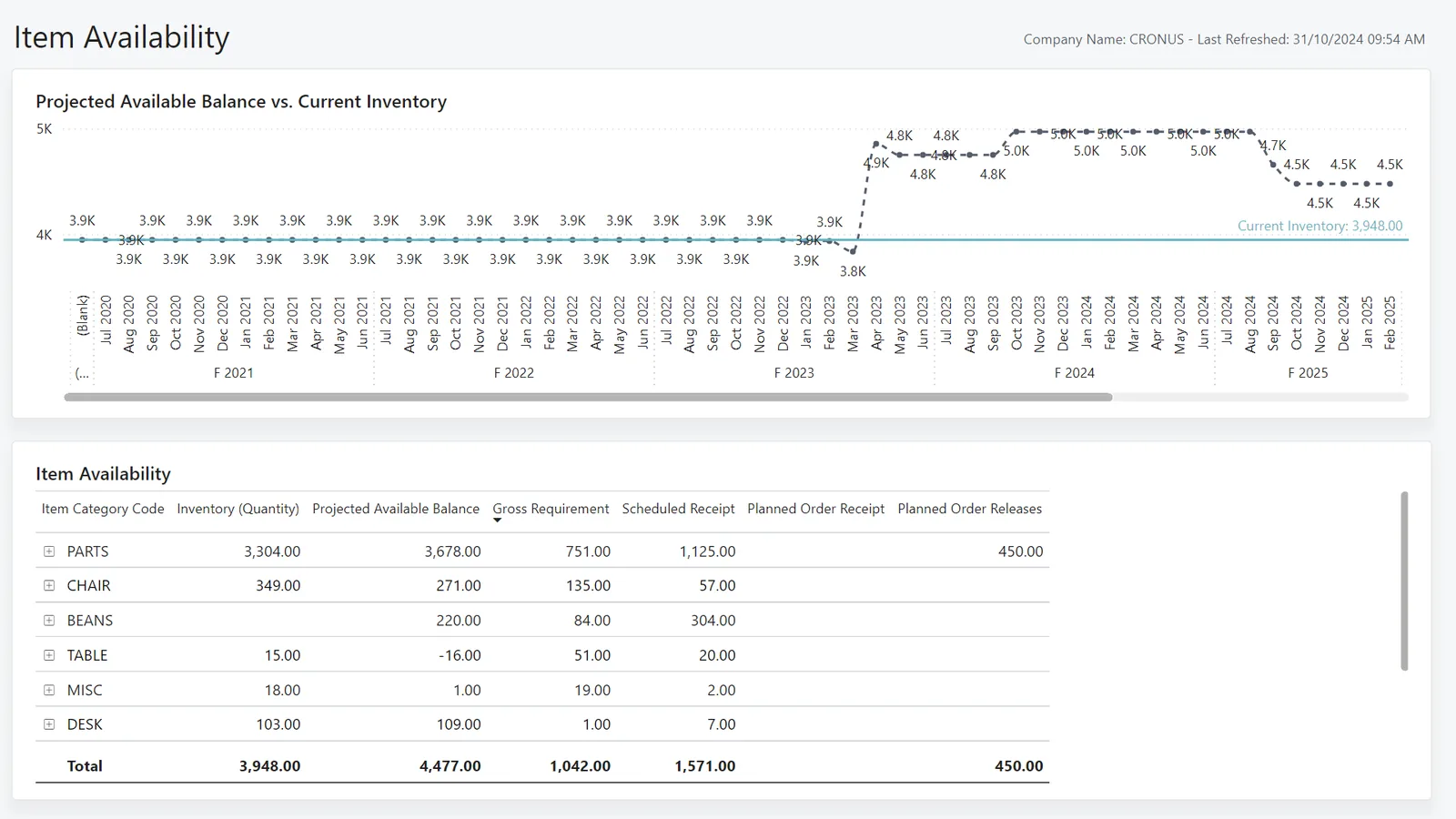
Buyers, sales managers and the owner see the same stock picture, including goods still on the water.
We configure Business Central to support these requirements. Confirm treatments with your tax advisor.
Import VAT on goods can be accounted for through the VAT return under the reverse charge mechanism for registered businesses. We set up posting groups so imports appear in the right return boxes.
Export sales use zero-rated VAT codes, and we add fields to store export evidence such as exit documents and bills of lading against each invoice.
Some free zones are designated zones for VAT, with special rules for goods movements. We model locations and VAT setup per entity once your advisor confirms the treatment.
Traders with revenue of AED 50 million or more face mandatory e-invoicing from 1 January 2027; smaller businesses from 1 July 2027. Check the latest Ministry of Finance and FTA guidance.
General information, not tax or legal advice. Rules change; confirm current FTA, MOHRE and Ministry of Finance guidance with your advisor.
Most trading implementations take around 8-14 weeks for a single entity. Ranges are typical, not guaranteed.
Durations are typical ranges; your plan is agreed after discovery.
Purchase-to-sale walk-through, costing method choice and item charge rules.
Items, locations, currencies, price lists, VAT and approval workflows.
Item master, open purchase orders, stock by location and opening balances.
Full container cycle tested from purchase order to landed cost and sale.
Support through the first container arrivals and the first month-end.
Explore more for trading businesses.
We configure the system for the rules UAE businesses report against, and test it before go-live.
General information, not tax or legal advice. Confirm current requirements with the FTA, MOHRE or your advisor. See all UAE compliance guides.
On-site workshops in Dubai, Abu Dhabi and Sharjah, and remote or on-site delivery across the Northern Emirates and free zones.
Official sources and references
Facts on this page were checked against these sources in October 2026. Rules change, so confirm current requirements before acting.
Still have a question? Our consultants are happy to help.
Ask an ExpertYes. Item charges assign freight, duty, insurance and clearing costs to received items, and the adjust cost process updates inventory value and cost of goods sold. Charges can be assigned by quantity, amount, weight or volume.
Business Central supports in-transit locations and expected receipt dates on purchase orders. For detailed container tracking, we often add fields or a small extension to record container numbers and shipping milestones.
Yes. Each entity is set up as a separate company with its own VAT setup, and intercompany transactions handle stock transfers or sales between them.
It depends on your volumes, team and budget. Business Central is strong on costing and finance controls and fits Microsoft 365 users. Odoo and Zoho can be lower-cost options for many traders. We implement all of them and will recommend based on your needs.
Yes. Business Central has mobile apps for phone and tablet, so sales staff can check availability, prices and customer balances and create orders on the move.
Related Solutions
Related Industries
Related ERP Platforms
Share your import and sales flow, and we will show you how Business Central would handle it.
Dubai, United Arab Emirates