
L
O
A
D
I
N
G


Zoho, Odoo, ERPNext, Dynamics 365 and custom ERP, delivered by one accountable team.

A container that sits at the port past its free days costs money every day. A container that arrives early with no space in the warehouse costs money too. Container tracking in your ERP puts both in front of the right people.
A UAE trading company tracks containers in its ERP by recording each container against the purchase orders and items inside, then following milestones: loaded, sailed, transhipped, arrived at Jebel Ali, Khalifa Port or Port Khalid, delivery order released, cleared, unloaded and returned empty. Alerts flag free-time expiry to avoid port charges, and goods in transit, inbound planning and lot and expiry data stay linked.
Container tracking ERP in the UAE means recording each container against the purchase orders and items it carries, then following its milestones: loaded, sailed, transhipped, arrived at Jebel Ali, Khalifa Port or Port Khalid, discharged, delivery order released, cleared, collected, unloaded and returned empty. Each milestone has a date, an owner and a cost risk.
Shipping lines and forwarders have good tracking portals, but they show containers, not your business. They cannot tell you which customer orders depend on container MSKU1234567, that the goods inside are batch-controlled foodstuff with a short shelf life, or that free time at the terminal ends on Thursday. Import coordinators in UAE trading companies copy this data into a spreadsheet every morning. When they are on leave, nobody knows which containers are at risk.
This page focuses on the container and its milestones. The commercial import process, from supplier PI to customs declaration, is on import management software, and how freight and port charges are added to item cost is on landed cost software.
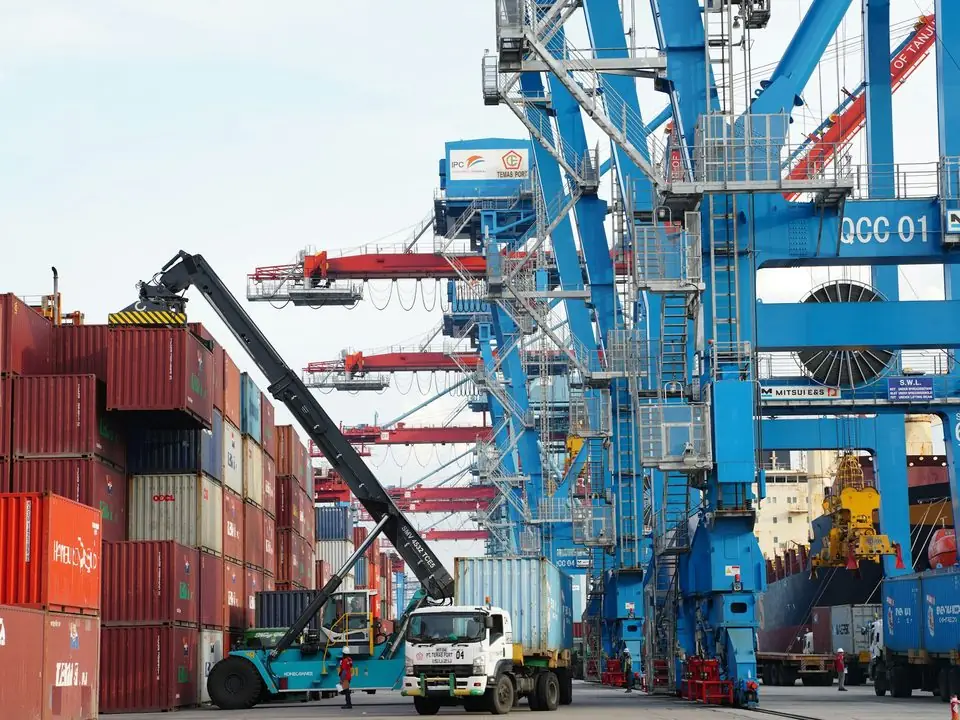
Most of these costs never appear as a single line, so they are rarely questioned.
Containers stay at the terminal past free days because the DO was not collected or documents were incomplete. Detention runs on when empties are returned late from the warehouse.
Five containers arrive on the same day while the warehouse has space and labor for two. Trucks wait, unloading runs overtime and goods sit outside in summer heat.
Sales coordinators promise delivery from goods 'arriving next week' without knowing that the vessel was delayed at a transhipment port.
The BL says 1,200 cartons of mixed goods. Without a container-to-PO-line link, the warehouse cannot pre-plan putaway or quality checks for batch and expiry items.
The import coordinator's file is the only record. It is updated irregularly and cannot be reported on, audited or shared with management.
Each milestone updates the ERP from the forwarder, the shipping line or your team, with alerts when a date slips.
One shared database: every step updates stock, finance and reports in real time.
Container tracking works best as an extension of purchasing and inventory rather than a separate system.
Container number, size and type, seal, BL, vessel, voyage, shipping line and forwarder.
Which PO lines and quantities are in which container, including split and consolidated shipments.
Planned and actual dates per milestone, with alerts for ETA changes and approaching free-day limits.
Expected arrivals by day for the warehouse, with dock and labor planning.
Container contents shown as incoming stock with ETA for sales reservations.
Batch numbers and expiry dates from the supplier's packing list prepared before unloading.
Demurrage, detention and storage charges linked to the container and to the reason for delay.
BL, DO, packing list and EIR (equipment interchange receipt) attached to the container record.
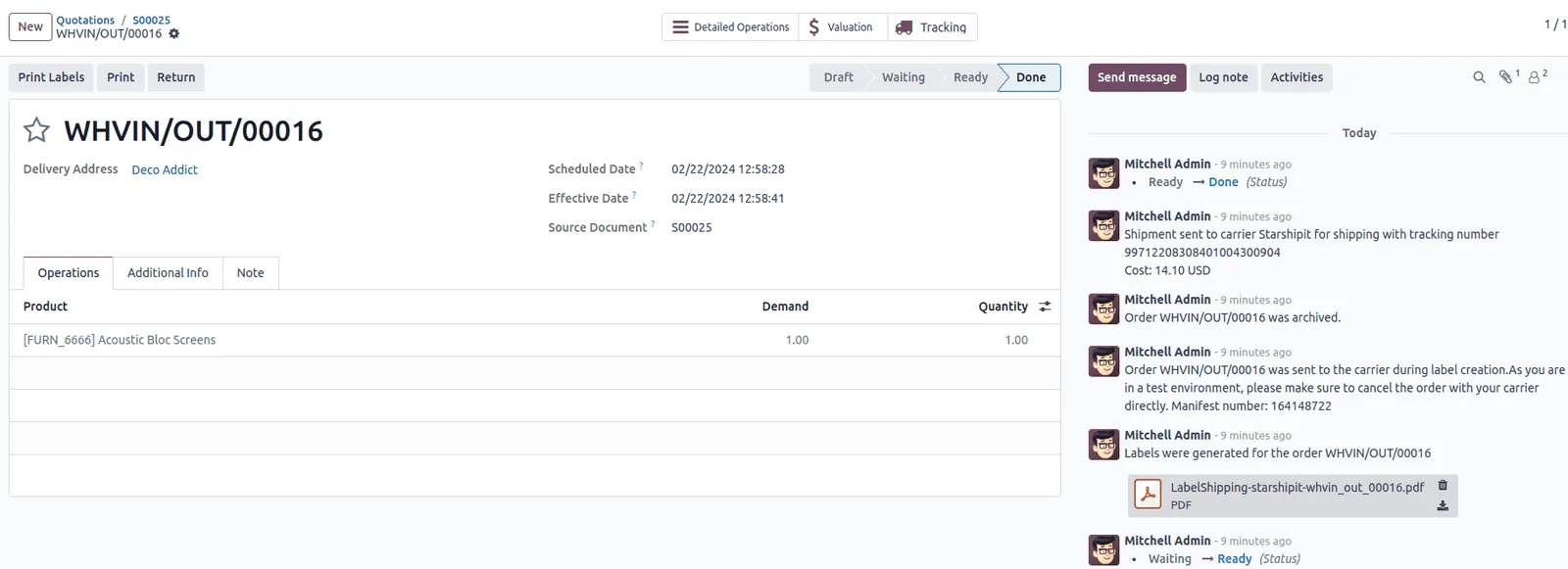
Import coordinators, warehouse managers and purchase managers watch these views daily.
Only one of the four platforms has container tracking as a standard feature. The others handle it well with configuration. Confirm against your edition.
| Zoho | Odoo | ERPNext | Dynamics 365 | |
|---|---|---|---|---|
| Container record | Custom module in Zoho Inventory or Zoho Creator app | Custom model or app linked to receipts | Custom doctype on the Frappe framework | Containers and voyages in the SCM Landed Cost module; Business Central via custom tables or apps |
| Link to PO lines | Custom lookups to purchase orders | Linked to incoming transfers per PO | Linked to Purchase Order items | Standard in the SCM Landed Cost module |
| Milestone dates | Custom fields with workflow rules | Custom fields and activities | Custom fields with notifications | Tracking statuses in Landed Cost; custom in Business Central |
| Carrier data feeds | Via API and Zoho Flow or Deluge | Via API and scheduled actions | Via API and scheduled jobs | Via API, Power Automate or Logic Apps |
| Goods in transit | Open PO quantities | Incoming receipts with scheduled date | Ordered and pending receipt quantities | In-transit inventory with Landed Cost module |
Carrier and visibility platform APIs usually need a subscription with the provider.
Container milestones can be pulled automatically from providers or entered by your forwarder.
Container tracking is mainly operational, but some records matter for tax and audit. Confirm specifics with your advisor.
Keep the declaration number, BL and container numbers with the shipment so import VAT and duty can be reconciled to the VAT return and supported in an audit.
Food, cosmetics and regulated products often need municipality or authority clearance before release. Track that milestone separately, and record batch and expiry data on receipt using expiry date tracking.
Tax records must generally be kept for at least five years. Container documents attached to the record are easier to retrieve than files in mailboxes.
Forwarders and visibility providers receive shipment data. Check contracts and data protection terms under the UAE PDPL, especially if personal data of contacts is shared.
General information, not tax or legal advice. Rules change; confirm current FTA, MOHRE and Ministry of Finance guidance with your advisor.
The value is in acting before a free-day limit or an ETA slip becomes a cost.
Containers at risk are visible days in advance, so DOs, clearance and empty returns are planned.
The warehouse sees arrivals by day and can plan docks, labor and putaway.
Sales sees updated ETAs per container and the customer orders linked to them.
Container status no longer depends on one person's spreadsheet.
Adding container tracking to an existing ERP often takes 4-8 weeks, plus time for any carrier data feed.
Durations are typical ranges; your plan is agreed after discovery.
List milestones, ports, shipping lines and forwarders used, and how status is shared today.
Define the container record, PO links, alerts and dashboard.
Configure or develop the container module and connect forwarder or carrier data where available.
Track live containers alongside the spreadsheet and correct gaps.
Retire the spreadsheet, train the warehouse and sales teams, and set review routines.
We configure the system for the rules UAE businesses report against, and test it before go-live.
General information, not tax or legal advice. Confirm current requirements with the FTA, MOHRE or your advisor. See all UAE compliance guides.
On-site workshops in Dubai, Abu Dhabi and Sharjah, and remote or on-site delivery across the Northern Emirates and free zones.
Official sources and references
Facts on this page were checked against these sources in October 2026. Rules change, so confirm current requirements before acting.
Still have a question? Our consultants are happy to help.
Ask an ExpertOften yes, through shipping line APIs or a container visibility provider, usually with a subscription. Where no feed is available, the forwarder can update a portal or send structured emails that are parsed into the ERP.
Record the container once and allocate PO lines and quantities to it. On arrival, the GRN is created from the container record so each PO is received correctly.
Yes. Batch or serial data from the supplier's packing list can be loaded before arrival and confirmed on receipt. See batch tracking and serial number tracking for the inventory side.
No. Forwarders manage shipments for many customers and bill for them. Container tracking in an importer's ERP follows your own goods. Forwarders should look at ERP for freight forwarding.
Dynamics 365 Supply Chain Management has container and voyage tracking in its Landed Cost module. Zoho, Odoo and ERPNext handle it well with a configured or custom module, often at lower cost for SMEs.
Related Solutions
Related Industries
Related ERP Platforms
Show us how you track containers today and we will design a tracking view that fits your ERP.
Dubai, United Arab Emirates










