
L
O
A
D
I
N
G


Zoho, Odoo, ERPNext, Dynamics 365 and custom ERP, delivered by one accountable team.

Decide who covers which emirate, area and customer segment, hold it in the ERP and CRM, and see sales, coverage and targets territory by territory.
Sales territory management in the UAE starts by analyzing customers by location, then building a hierarchy from GCC country to emirate to area, assigning reps and managers, and coding every customer and lead to one territory. New enquiries are routed automatically by emirate, area or industry, and sales, coverage and targets are reviewed per territory and rebalanced when needed.
The UAE looks compact on a map, but a sales team covering it works across very different markets: trade in Deira and Al Ras, industrial buyers in Al Quoz, Jebel Ali and Mussafah, retail in Sharjah and Ajman, contractors in Abu Dhabi, a slower rhythm in Fujairah and the east coast, and export customers across the GCC. Sales territory management defines those areas, assigns customers and salespeople to them, and makes the ERP report results by territory.
Without territories in the system, coverage is informal. Two salesmen visit the same supermarket chain, a cluster of shops in Umm Al Quwain is not visited at all, and the sales manager cannot compare Abu Dhabi with Dubai because customers were never coded by area. New hires inherit a list of names rather than a defined patch.
Territory design is one input into broader sales management software. Here we focus on how territories are structured, assigned and measured. Routes for van salesmen are covered on the van sales software page, and target setting on sales target management.

These issues are common in distributors, FMCG companies, building-material suppliers and service businesses.
Key accounts with branches in several emirates are claimed by more than one salesperson, causing double visits, conflicting prices and arguments over commission.
Areas far from the office, such as parts of Ras Al Khaimah or the Al Dhafra region, get few visits even though there are customers there.
Addresses are free text like 'near the mosque, Industrial Area 13'. Without an area code or location pin, reports by territory are impossible.
Website and WhatsApp enquiries reach the sales manager, who forwards them when he has time. Leads from Abu Dhabi wait while the Dubai team is busy.
Every salesperson gets the same target regardless of territory potential, which demotivates those in smaller markets and lets those in strong areas coast.
When a salesman resigns, his customers are spread around informally and some are lost before anyone notices.
Territories are designed from data, maintained in the system, and reviewed periodically.
One shared database: every step updates stock, finance and reports in real time.
Territories need to exist in both CRM and ERP so pipeline and invoiced sales can be compared on the same basis.
A tree such as GCC, UAE, Dubai, Dubai South and Jebel Ali, with a manager at each level.
Each account carries a territory and owner, set by rule from area or postcode-style codes, with manual override.
New enquiries are assigned automatically to the territory owner based on emirate, area or industry.
Targets per territory and item group, split by month, so local seasonality such as summer slowdowns can be reflected.
Calls and visits logged against customers so coverage per territory can be measured.
Where needed, price or discount rules differ by territory, for example for export markets.
Sales, margin, customer count, new accounts and overdue balances by territory and rep.
Reps see only their territory's customers, orders and balances on the mobile sales app.
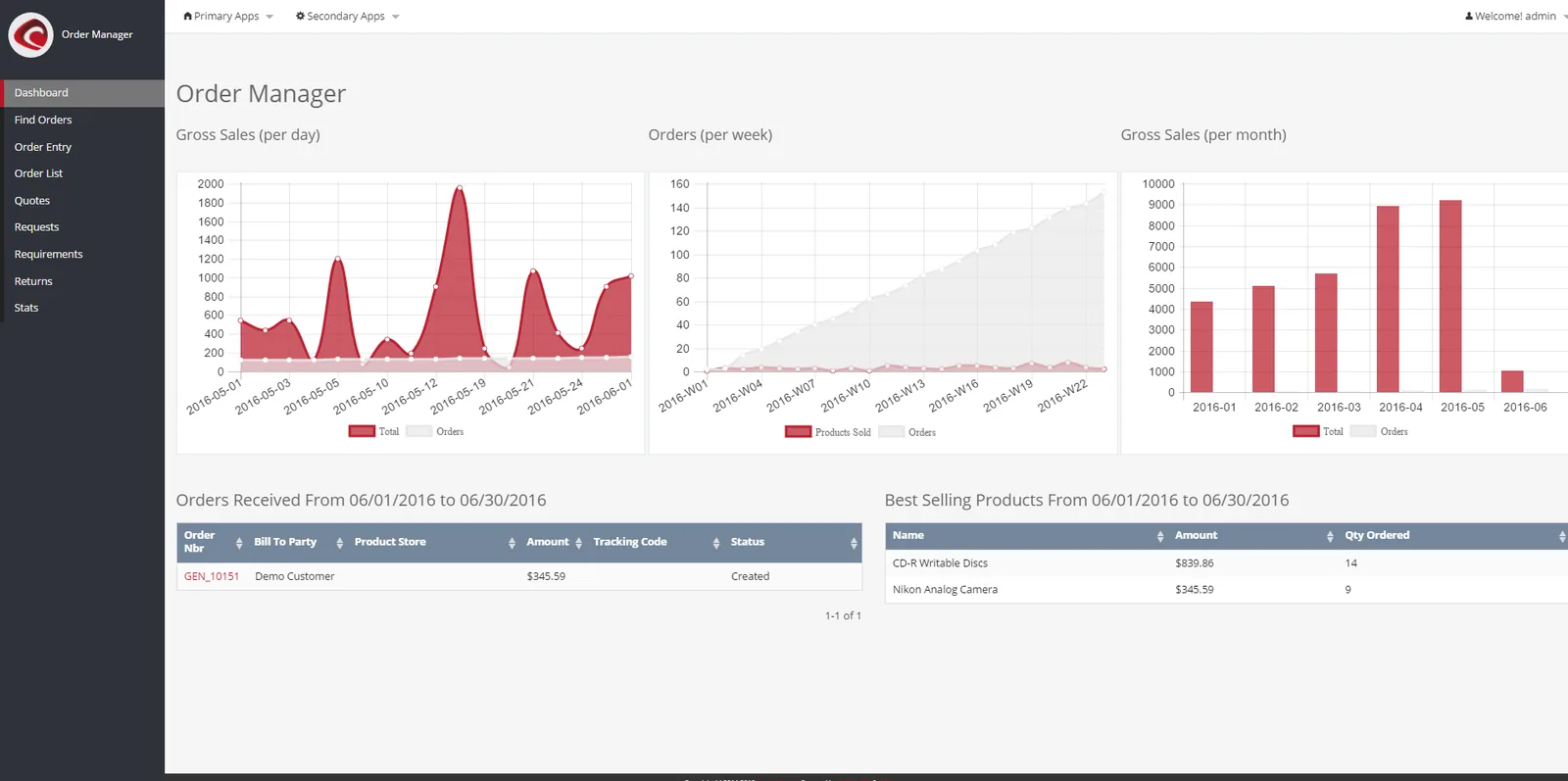
Managers compare territories on performance and on coverage, not just on revenue.
All four platforms can segment by territory, with different depth. Confirm against your edition.
| Zoho | Odoo | ERPNext | Dynamics 365 | |
|---|---|---|---|---|
| Territory object | Territory Management in Zoho CRM on higher editions | Sales teams; no separate territory tree in standard | Native Territory tree used across selling | Territories in Dynamics 365 Sales; territory code in Business Central |
| Automatic assignment | Territory assignment rules and lead assignment rules | Lead assignment rules by sales team | Territory on customer; assignment via rules or scripts | Assignment rules and territory-based routing in Sales |
| Targets by territory | Forecasts by territory in CRM | Team targets on sales teams | Targets on Sales Person and territory with monthly distribution | Goals in Dynamics 365 Sales |
| Pricing by territory | Custom | Pricelists by country group | Pricing Rules can apply by territory | Price lists by customer group or campaign |
| Reporting | CRM reports and Zoho Analytics | Sales analysis grouped by team | Territory-wise sales and target variance reports | Power BI and standard reports |
Editions and module names change; we confirm what your license includes.
Territory data comes from and feeds several tools.
Territories are mainly commercial, but location and destination data touch a few rules. Confirm specifics with your advisors.
If you capture salespeople's GPS location or customers' personal contact data, the UAE Personal Data Protection Law and employee notice requirements may apply. Collect only what you need and tell staff what is recorded.
Sales to customers outside the UAE can be zero-rated only with valid export evidence. Coding GCC and export territories separately helps the VAT return and the evidence trail.
Some free zones are designated zones for VAT purposes, which can change the treatment of goods movements. Flagging free zone customers in the territory structure helps finance apply the right rules.
Keep historical territory assignments so past sales, targets and commission can be explained if questioned later.
General information, not tax or legal advice. Rules change; confirm current FTA, MOHRE and Ministry of Finance guidance with your advisor.
What companies usually gain from formal territories; the effect depends on team size and market spread.
Each account has one owner, so customers deal with one contact and one price.
Enquiries reach the right salesperson automatically instead of waiting in a manager's inbox.
Targets reflect territory potential, which makes them more credible to the team.
When a rep leaves, the territory moves to a successor in one step with full history.
On an existing ERP and CRM, territory setup often takes 3-6 weeks, mostly spent cleaning customer location data.
Durations are typical ranges; your plan is agreed after discovery.
Clean customer addresses and add emirate and area codes; identify key accounts with multiple locations.
Agree the hierarchy, owners, key account rules and how GCC markets are handled.
Set up territories, assignment rules, targets and reports in CRM and ERP.
Reassign customers, brief the team and switch lead routing on.
Rebalance territories using coverage and sales data.
We configure the system for the rules UAE businesses report against, and test it before go-live.
General information, not tax or legal advice. Confirm current requirements with the FTA, MOHRE or your advisor. See all UAE compliance guides.
On-site workshops in Dubai, Abu Dhabi and Sharjah, and remote or on-site delivery across the Northern Emirates and free zones.
Official sources and references
Facts on this page were checked against these sources in October 2026. Rules change, so confirm current requirements before acting.
Still have a question? Our consultants are happy to help.
Ask an ExpertMany UAE companies use both: geography for general trade and a separate key-account territory for chains and large contractors. The ERP can hold a territory and a customer group on each account.
Usually one key-account owner holds the head office, and branches sit under that account. Deliveries can still be planned by location without splitting ownership.
Yes. Rules in the CRM can route leads by emirate, area or industry to the territory owner, as part of wider sales automation.
Yes. Territory is a standard grouping on sales reports. Our sales dashboard page shows the views managers use most.
Often. Some companies pay commission on all sales in a territory, including orders that come in directly. That needs to be agreed and reflected in the commission plan.
Most teams review quarterly and change only when there is a reason, such as a new hire or a shift in market potential. Frequent changes make trends hard to read.
Related Solutions
Related Industries
Related ERP Platforms
We will review your customer data and propose a territory structure your ERP and CRM can enforce.
Dubai, United Arab Emirates