L
O
A
D
I
N
G


Zoho, Odoo, ERPNext, Dynamics 365 and custom ERP, delivered by one accountable team.

Manage the full life of site materials, from BOQ quantities and consultant approval to delivery schedules and monthly reconciliation of what was actually used.
UAE contractors manage construction materials by linking each stage in one system: planned quantities from the BOQ with a wastage allowance, consultant submittal approval before ordering, delivery dates tied to the program, material inspection on arrival, issues to crews or subcontractors, and monthly reconciliation of issued versus installed quantities. Surplus is returned or transferred to other projects.
On a typical UAE building project, materials make up a large share of direct cost, and most of the risk sits between the BOQ and the wall: the wrong product approved, a delivery that arrives before the slab is ready, rebar cut wastefully, tiles ordered twice. Construction material management connects the stages that procurement and stores handle separately: how much is needed, which product the consultant approved, when it must arrive, and whether what was used matches what should have been used.
Contractors usually manage these stages in different places. Planned quantities are in the QS workbook, submittal status in the document controller's log, delivery dates in the buyer's email, and consumption is never compared with quantities installed. The result is wastage nobody can measure and disputes with subcontractors over free-issue material.
This page covers that lifecycle and the reconciliation that closes it. Raising requests from site is covered on construction material request software; stock movements are on construction inventory software.
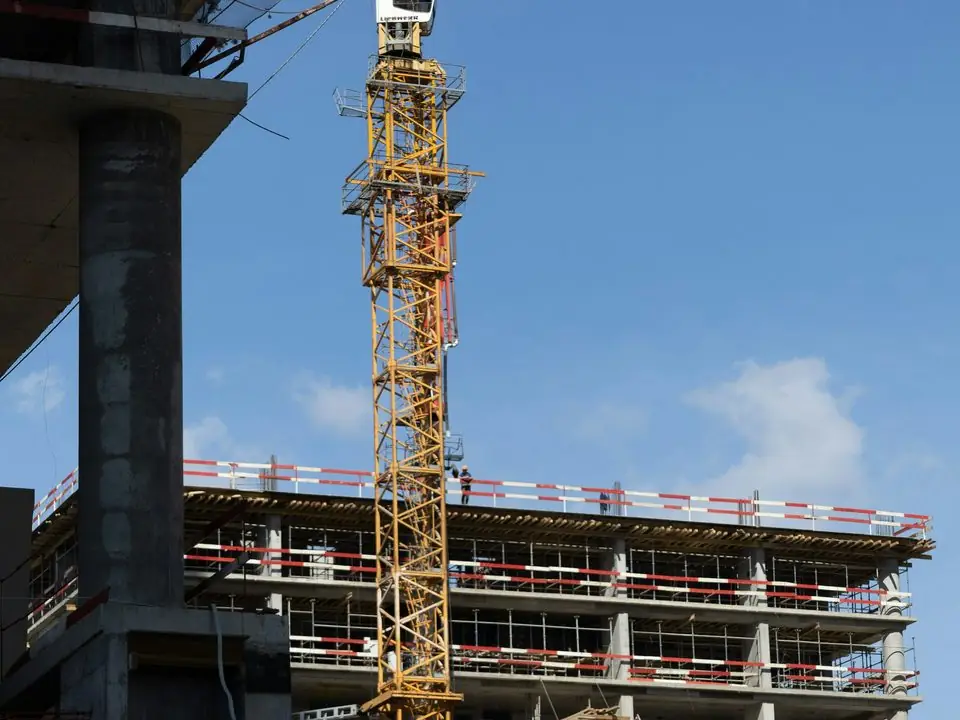
These gaps explain most material overruns we review.
Buyers place orders while the material submittal is still under consultant review. A rejected sample leaves the contractor with stock it cannot install.
Requests are approved without checking how much of the BOQ quantity is already supplied. Over-supply surfaces only at final reconciliation.
Material arrives weeks early and sits exposed to heat and dust, or arrives late and stops a crew. Delivery dates are not linked to the program.
Material supplied to subcontractors is not tracked against their scope, so excess usage cannot be back-charged.
Nobody compares issued quantity with installed quantity. Wastage allowances in the estimate are never tested, so the next tender repeats the same assumptions.
Each stage has an owner and a status, so the project manager can see where every key material stands.
One shared database: every step updates stock, finance and reports in real time.
Material management pulls from several modules; the value is in linking them.
Planned quantity per material per project, derived from BOQ items with a wastage allowance.
Material submittals with consultant status (approved, approved as noted, revise and resubmit) linked to items.
Required-on-site dates from the program, with promised dates from suppliers on each order line.
Material inspection requests on arrival, test certificates and rejection handling.
Issues to activities and to subcontractors as free-issue material, each recorded against scope.
Monthly comparison of issued, installed and theoretical quantities with variance reasons.
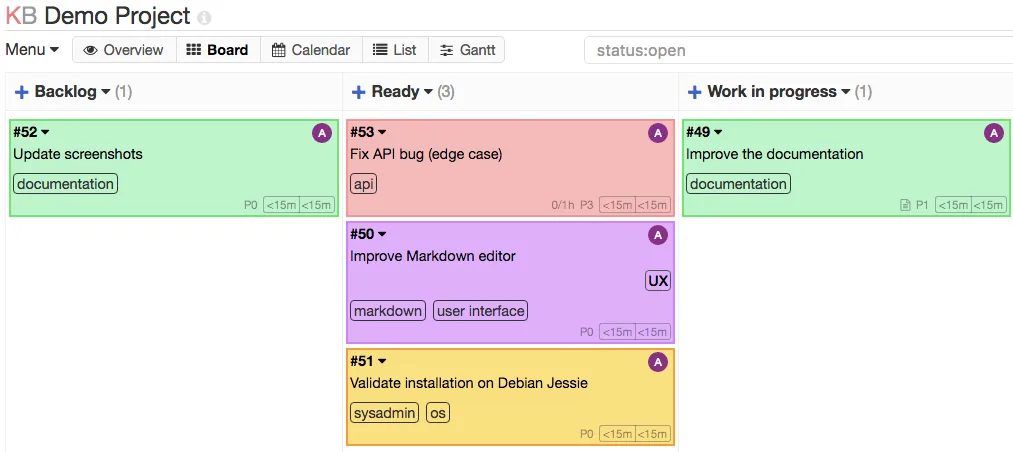
Shows key materials from plan to installation for each project.
Planning, stores and purchasing are standard; submittals and reconciliation usually need configuration. Confirm for your edition.
| Zoho | Odoo | ERPNext | Dynamics 365 | |
|---|---|---|---|---|
| Planned quantities | Custom Creator app or project budget lines | Project with planned material lines via custom or third-party app | Project with planned items via custom doctype; BOM-like structures possible | Project planning lines with item quantities |
| Submittal tracking | Zoho Creator or Zoho WorkDrive workflow | Documents app plus custom approval stages | Custom doctype with workflow states | Usually partner extension or SharePoint link |
| Delivery scheduling | Expected dates on purchase orders | Scheduled dates on purchase lines | Schedule date on Material Request and PO | Requested and promised receipt dates |
| Inspection on receipt | Custom checklist | Quality app (Enterprise) checks on receipts | Quality Inspection on Purchase Receipt | Quality management in Supply Chain; simpler in Business Central |
| Issued vs installed reconciliation | Custom report | Custom report from stock moves and progress | Custom script report from Stock Entry and progress | Report from project ledger and progress, often extended |
Platform pages: Odoo for construction, ERPNext for construction, Zoho for construction.
Material data comes from design, planning and site tools as well as the ERP.
Material records support tax, audit and project disputes. Confirm tax treatment with your advisor.
Back-charging a subcontractor for excess material is normally a supply with VAT implications; agree the documentation and tax treatment with your advisor.
Some materials need authority or civil defense approval in addition to the consultant's; store approval references with the item so the right product is ordered.
Keep submittal approvals, inspection reports, delivery notes and reconciliations for at least five years; they also support claims and final accounts.
General information, not tax or legal advice. Rules change; confirm current FTA, MOHRE and Ministry of Finance guidance with your advisor.
What contractors aim for, without invented figures.
Issued versus installed quantities show real wastage by material and crew.
Orders are blocked or flagged until the submittal is approved.
Less material waiting on site and fewer crews waiting for material.
Free-issue overuse by subcontractors is documented and recoverable.
Typical ranges; we usually start with a few high-value materials.
Durations are typical ranges; your plan is agreed after discovery.
Choose the materials that drive cost and risk, such as rebar, concrete, blocks, cable and finishes.
Planned quantities, submittal register, delivery dates and inspection steps.
Run monthly reconciliation on one project and refine wastage allowances.
Add more materials and projects once the routine is stable.
We configure the system for the rules UAE businesses report against, and test it before go-live.
General information, not tax or legal advice. Confirm current requirements with the FTA, MOHRE or your advisor. See all UAE compliance guides.
On-site workshops in Dubai, Abu Dhabi and Sharjah, and remote or on-site delivery across the Northern Emirates and free zones.
Official sources and references
Facts on this page were checked against these sources in October 2026. Rules change, so confirm current requirements before acting.
Still have a question? Our consultants are happy to help.
Ask an ExpertInventory records stock movements. Material management plans quantities, controls approval and timing, and reconciles use against what was installed. It relies on inventory data but answers different questions.
From measured progress on BOQ items, converted to material using standard ratios, for example blocks per square meter or rebar per cubic meter of concrete. See construction BOQ software.
Yes. Free-issue material is issued to the subcontractor's scope and compared with their measured work; excess can be back-charged through subcontractor management.
No. BIM take-offs help on larger projects, but most contractors plan quantities from the BOQ and drawings.
The few that carry most cost and wastage risk: rebar, concrete, blocks, cable, pipes and finishing materials. Adding everything at once overloads the site team.
Related Solutions
Related Industries
Related ERP Platforms
We will set up a pilot reconciliation for your key materials on one live project in your chosen ERP.
Dubai, United Arab Emirates