
L
O
A
D
I
N
G


Zoho, Odoo, ERPNext, Dynamics 365 and custom ERP, delivered by one accountable team.

Putaway decides where received stock is stored. With ERP putaway rules, the system suggests the location, the storekeeper scans to confirm, and stock becomes available to sell without a hunt.
Directed putaway means the ERP suggests where each received item should be stored, using rules by product, category, zone, bin capacity and handling class, and the operator confirms by scanning the pallet and bin. In UAE warehouses this keeps fast movers accessible, separates chemicals from food, keeps chilled goods out of ambient areas and makes stock available to pick without searching.
ERP for warehouse putaway UAE covers the step between unloading a delivery and having stock ready to pick. After the goods receipt is checked against the purchase order, someone has to decide where each pallet, carton or loose item will live, move it there and record the location. In many Dubai and Sharjah warehouses that decision is made by the forklift driver on the spot, and the location is written on paper, if at all.
Poor putaway causes most of the problems that appear later in the warehouse: items stored in three different places, fast movers sitting at the back of the top rack, chemicals next to food, temperature-sensitive goods left in the ambient area during a hot afternoon. Pickers then spend their shift searching, and stock counts never match.
Directed putaway lets the ERP suggest the destination using rules: product category, storage zone, bin capacity, existing stock of the same item and handling needs. The operator confirms with a scan. This page covers putaway rules and the putaway workflow. Receiving checks belong to goods receipt, the location structure itself to bin location management, and the outbound side to warehouse picking.
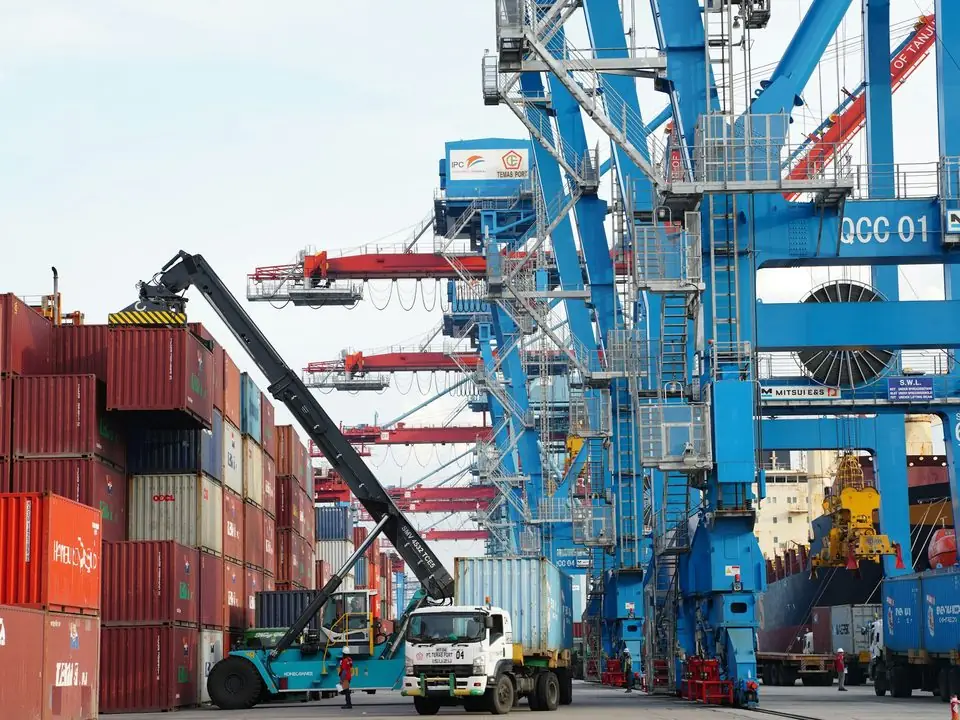
These issues are common in trading, distribution and 3PL warehouses across the Emirates.
Experienced storekeepers know where things go, but new staff and night shifts do not. When the senior storekeeper is on leave, stock ends up wherever there is space.
Goods sit in the receiving bay for a day or more because putaway is not tracked. Sales sees zero stock and tells customers to wait, while the pallets are on the floor.
Without consolidation rules, every receipt goes to a new empty slot. Pickers visit several bins for one order and partial cartons accumulate.
Hazardous goods, heavy items and temperature-controlled products need specific zones. Manual putaway often ignores this until an inspection or damage claim.
The system has no idea of bin capacity, so it accepts more stock in a location than physically fits. The overflow is stored nearby and lost from the records.
This flow keeps receipt, putaway and availability in step, with exceptions handled by a supervisor.
One shared database: every step updates stock, finance and reports in real time.
Putaway relies on a defined location structure and a set of rules.
Warehouse, zone, aisle, rack, level and bin, each with type and status (active, blocked, quarantine).
Rules mapping products or categories to preferred zones or bins, applied when receipts are validated.
Maximum weight, volume or quantity per bin or storage category so suggestions respect physical limits.
Separate input, quality check and stock steps so goods are only available after inspection and putaway.
Handheld scanning of pallet labels and bin barcodes to confirm the move on the spot.
Goods already allocated to a waiting order go straight to the dispatch area instead of storage.
Items needing inspection are routed to a quarantine location until released.
Open putaway tasks, dock-to-stock time and bin utilization by zone.
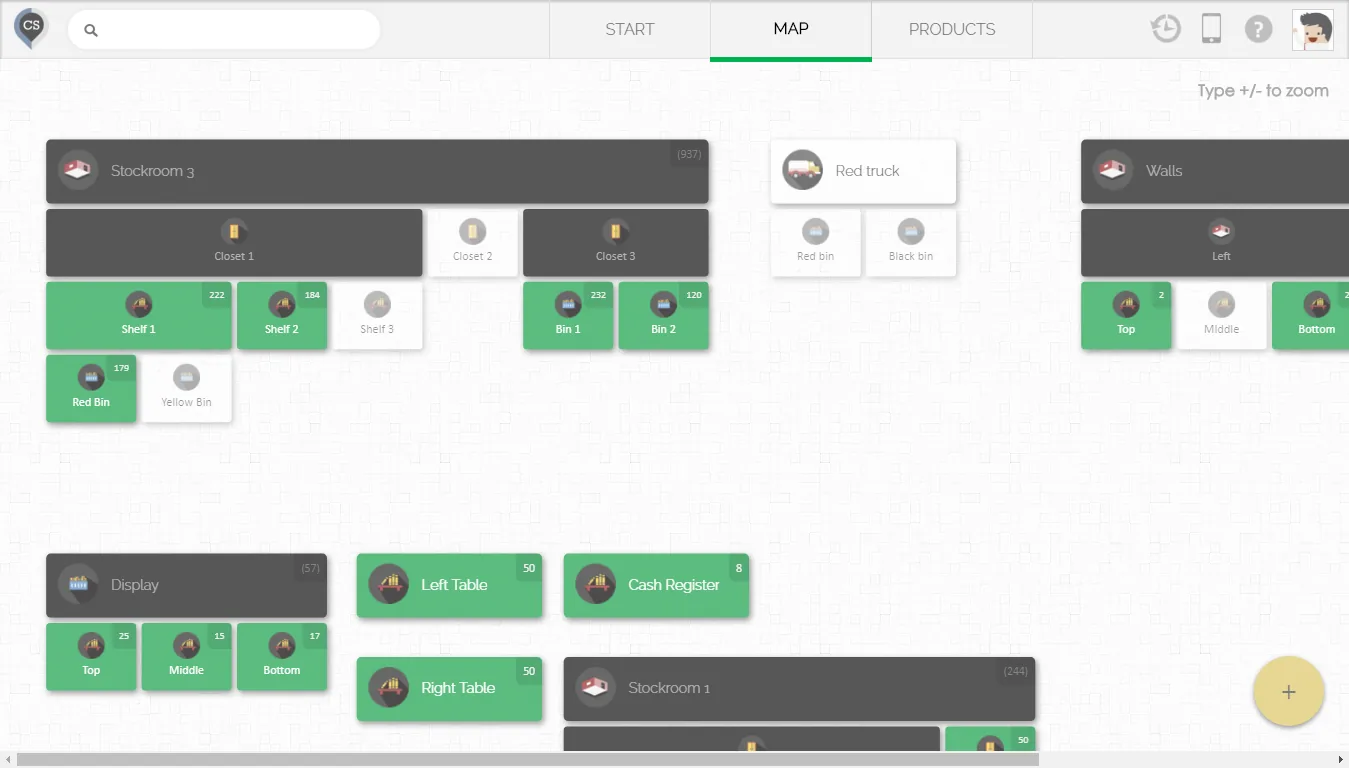
Warehouse supervisors need to see what is sitting in receiving and how fast it is stored. The full operational view is on the warehouse dashboard.
Putaway depth varies more than most inventory features. Confirm for your edition and configuration.
| Zoho | Odoo | ERPNext | Dynamics 365 | |
|---|---|---|---|---|
| Bin locations | Bin locations in Zoho Inventory (recent editions) | Multi-level locations with storage categories | Warehouse tree used as locations | Bins and zones in Business Central |
| Putaway rules | Bin chosen by the user at receipt | Putaway rules by product or category | Putaway Rule document with priority | Put-away templates and bin rankings |
| Capacity checks | Limited | Storage category capacity by weight or product quantity | Capacity per warehouse in the putaway rule | Bin capacity with directed put-away and pick |
| Multi-step receipt | Receive then store as separate actions | One, two or three-step receipts | Purchase receipt with quality inspection | Warehouse receipts and put-aways |
| Mobile scanning | Zoho Inventory mobile apps | Barcode app (Enterprise) | Mobile browser or apps from the ecosystem | Mobile apps; scanning often via partner add-ons |
For very high-volume sites, see Odoo warehouse management or a dedicated WMS integration.
Putaway sits between suppliers and the warehouse floor, so data arrives from both sides.
Storage decisions carry regulatory and record implications. Confirm specifics with the relevant authority or advisor.
Chemicals, gas cylinders and similar items have storage rules under civil defense and municipality requirements. Putaway rules can enforce dedicated zones.
Food and pharmaceutical warehouses need chilled or controlled zones with traceable storage. Rules prevent these goods being stored in ambient areas.
Where goods are held in a free zone or bonded area, location records support customs and VAT treatment when goods move. Confirm with your advisor.
Every move records user, time, source and destination, supporting stock records kept for at least five years.
General information, not tax or legal advice. Rules change; confirm current FTA, MOHRE and Ministry of Finance guidance with your advisor.
These are the outcomes warehouse managers look for.
Goods become available to sell sooner after arrival.
Scan confirmation keeps recorded and physical bins aligned.
Fast movers stored near dispatch, slow movers higher or further away.
New staff follow system suggestions instead of relying on memory.
For an existing single warehouse, a putaway project often takes 4-8 weeks. Multi-site rollouts take longer.
Durations are typical ranges; your plan is agreed after discovery.
Map zones, racks and bins; agree naming and barcode labels.
Define putaway rules by category and handling class; set capacities.
Print bin labels, configure scanners and test the mobile flow.
Start with one zone, monitor overrides and adjust rules.
We configure the system for the rules UAE businesses report against, and test it before go-live.
General information, not tax or legal advice. Confirm current requirements with the FTA, MOHRE or your advisor. See all UAE compliance guides.
On-site workshops in Dubai, Abu Dhabi and Sharjah, and remote or on-site delivery across the Northern Emirates and free zones.
Official sources and references
Facts on this page were checked against these sources in October 2026. Rules change, so confirm current requirements before acting.
The ERP suggests the storage location for each received item based on rules, and the operator confirms by scanning. It replaces the operator deciding where to put stock.
Yes. Putaway rules point to locations, so the warehouse must first be mapped into zones and bins with labels.
Yes. Rules are usually defined per warehouse. See ERP for multiple warehouses for how sites are structured.
The operator flags it, picks an alternative and the system records the override. Frequent overrides mean capacities or rules need adjusting.
In most cases no. A two-step receipt keeps stock in receiving until putaway is confirmed, so pickers are not sent to goods still on the dock.
No. Putaway is the move from receiving to storage. Warehouse transfers move stock between sites or locations after it is stored.
Related Solutions
Related Industries
Related ERP Platforms
Walk us through your layout and receiving volumes and we will design putaway rules and scanning for your ERP.
Dubai, United Arab Emirates