
L
O
A
D
I
N
G


Zoho, Odoo, ERPNext, Dynamics 365 and custom ERP, delivered by one accountable team.

If staff need to ask the storekeeper where an item is, the warehouse depends on one person. Bin location management in the ERP gives every rack, shelf and bin a code, a barcode and a stock balance.
Bin location management in an ERP divides each UAE warehouse into coded storage positions such as zone, aisle, rack, level and bin, and keeps stock balances at that level. Every bin gets a barcode label, every move is scanned, and pick lists tell staff exactly where to go. This removes reliance on one storekeeper's memory and makes counts by aisle accurate.
An ERP for bin location management in the UAE divides each warehouse into addressable storage positions, such as zone, aisle, rack, level and bin, and keeps stock balances at that level. The system then knows that 36 cartons of an item are in A-03-02-B and 120 more are in reserve location R-11-04-A, and it can tell a picker or a storekeeper exactly where to go.
This matters in the warehouses typical of the UAE: high-bay racking in Jebel Ali and JAFZA, mezzanine stores in Al Quoz and Dubai Investments Park, mixed warehouses in Sharjah industrial areas, air-conditioned rooms beside ambient storage, and cages for high-value goods. Without bins, stock is 'somewhere in warehouse 2', new staff take weeks to become productive, and counts take a full weekend because nobody knows where to look.
This page covers the location structure itself: designing codes, labeling, capacities and bin-level stock. How goods are directed into bins is covered under warehouse putaway, and how they are picked from bins under warehouse picking. If you run more than one site, also read our page on ERP for multiple warehouses.
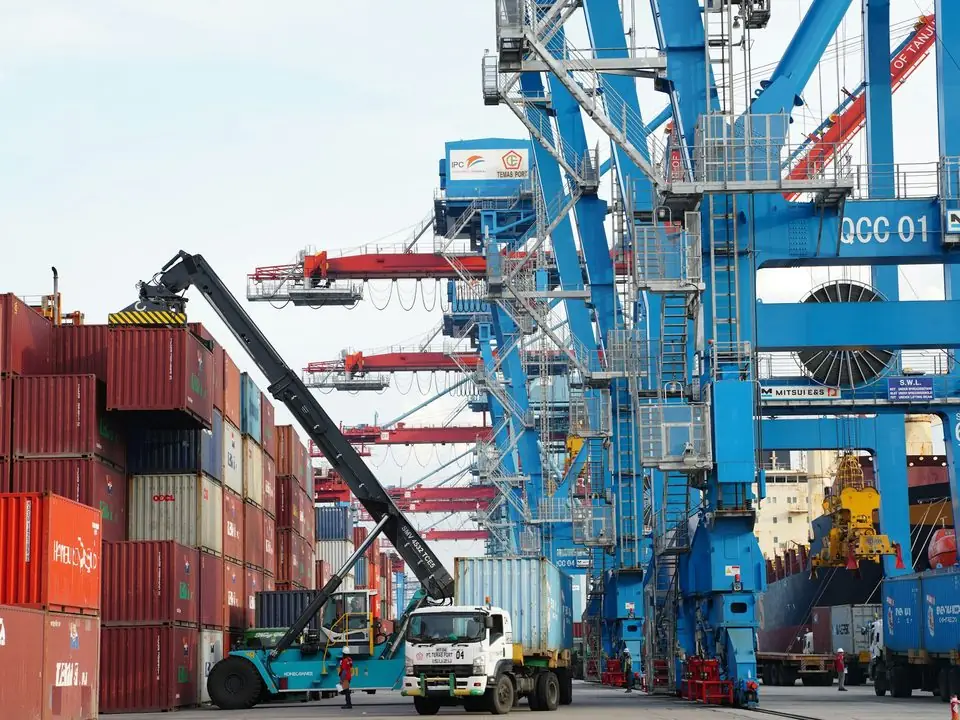
We see these problems in warehouses that track stock only by item and warehouse.
Pickers walk the aisles looking for items, especially slow movers stored months ago. Order cut-off times are missed and overtime grows.
One storekeeper knows where everything is. When that person is on leave or resigns, the warehouse slows down and errors increase.
The system shows stock that cannot be found because it was moved to another rack without a transfer. Sales promise it, and the order is short-shipped.
Without locations, counts are organized by item rather than by aisle. Teams count the same item twice in different places or miss overflow stock.
Fast movers sit on top levels while slow movers occupy ground-level pick faces. Space utilization is unknown, so the business rents extra storage it may not need.
Bin management starts with a location design and continues with scanned moves that keep bin balances right.
One shared database: every step updates stock, finance and reports in real time.
These are the components we configure when introducing bin locations.
Warehouse, zone, aisle, rack, level and bin as a tree, with each level optional depending on your layout.
Pick faces, reserve, receiving dock, staging, quarantine and dispatch locations, each with its own rules.
Printable location labels with code and barcode for racks, floor positions and shelves.
Maximum quantity, weight or pallets per bin, and rules such as 'hazardous only' or 'cold room only'.
A home bin per item for the pick face, with overflow allowed in reserve locations.
Internal moves recorded by scanning from-bin and to-bin, so balances stay accurate.
Handheld screens for putaway, picking, moves and counts by bin.
Bin contents, empty bins, bin utilization and items stored in more than one bin.
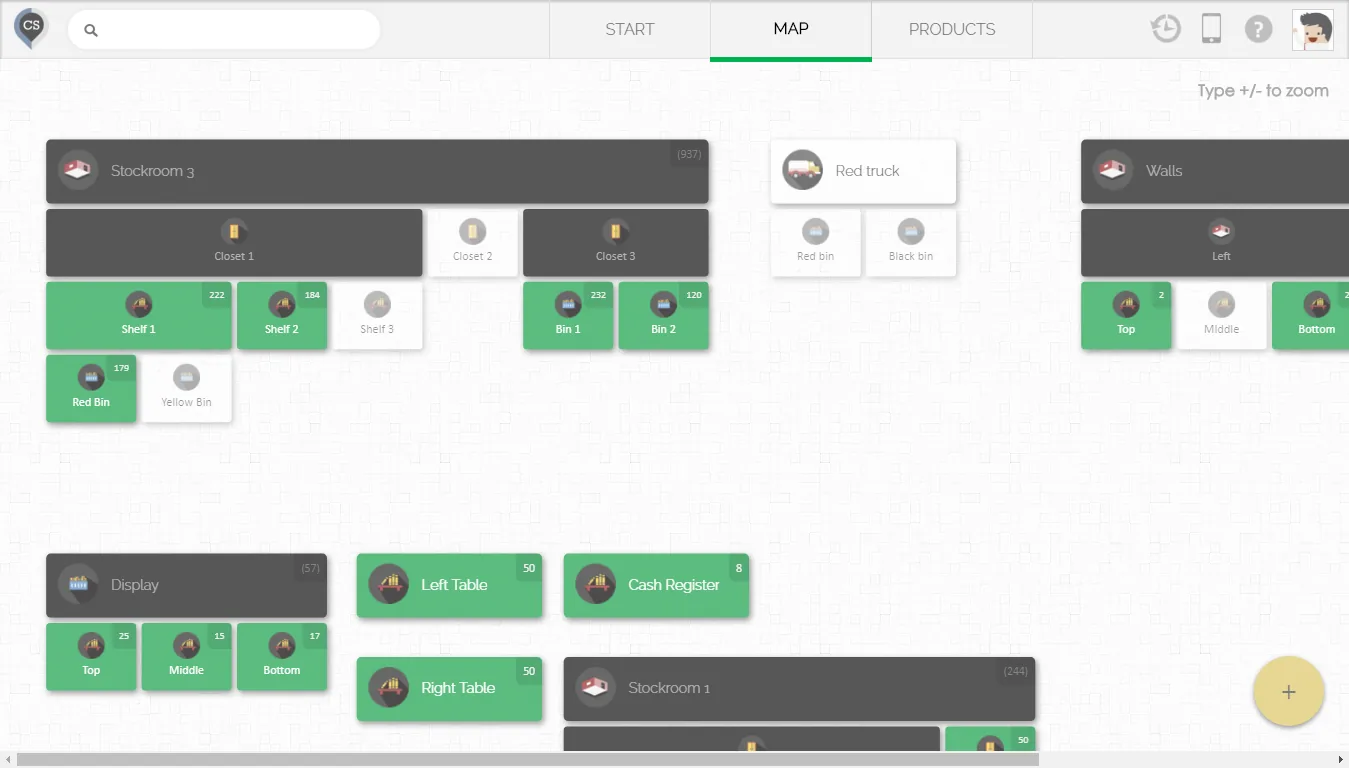
The warehouse manager's view of space and location accuracy.
Bin handling varies more than most buyers expect. Confirm limits such as number of levels and mobile app support for your edition.
| Zoho | Odoo | ERPNext | Dynamics 365 | |
|---|---|---|---|---|
| Bin structure | Bin locations in Zoho Inventory (plan-dependent), organized under warehouses with zones | Multi-level storage locations under each warehouse, unlimited depth | Child warehouses in the warehouse tree used as racks or bins | Bins with bin content in Business Central; locations, zones and profiles in Supply Chain Management |
| Location barcodes | Bin codes can be scanned in the mobile app; confirm for your plan | Location barcodes used by the Barcode app | Warehouse names or codes scanned via mobile apps or customization | Bin and location labels used by warehouse mobile apps |
| Putaway logic | Bin selected manually during receive | Putaway rules by product or category, with storage capacities in recent versions | Putaway Rule doctype with capacity and priority | Put-away templates and bin ranking (Business Central); location directives (Supply Chain Management) |
| Picking by bin | Picklists show bin details | Pick operations by location with routes | Pick List shows warehouse and batch per line | Directed pick in advanced configurations |
| Best fit | Single-warehouse traders adding basic bins | Multi-zone distributors and 3PLs | Organizations comfortable with a warehouse-tree model | High-volume warehouses needing directed put-away and pick |
Bin depth and directed warehouse features differ by edition. We confirm them against your layout before recommending a platform.
Bins become reliable when scanning is the only way stock moves.
Bin data supports several obligations. Confirm specifics with the authority concerned and your advisors.
Warehouses in VAT designated zones must keep records of goods movements to support the special VAT treatment. Bin-level records make stock movements in and out of the zone easier to evidence; see our ERP for JAFZA page and confirm with your tax advisor.
Civil defense and safety rules require chemicals and flammable goods to be stored in suitable areas. Location restrictions in the ERP help ensure those items are only put away in approved bins.
Customs authorities can request stock records for goods held under suspension. Location-level stock and movement history help answer those requests quickly.
Stock movement records support VAT and corporate tax records, which must be kept for at least five years under UAE rules.
General information, not tax or legal advice. Rules change; confirm current FTA, MOHRE and Ministry of Finance guidance with your advisor.
We do not claim specific percentages; these are the benefits warehouses typically see.
Pickers go straight to the bin printed on the pick list.
New staff follow location codes instead of relying on memory.
Counts by aisle and bin make missing or misplaced stock visible.
Utilization reports show where space is wasted before you rent more.
Typical ranges; physical relabeling and a full bin-level count usually take the most effort.
Durations are typical ranges; your plan is agreed after discovery.
Walk the warehouse, measure racks and agree the location code format.
Create zones and bins in the ERP and set capacities and restrictions.
Print and fix durable labels on racks, shelves and floor positions.
Count every bin and load opening balances by location.
Run scanned moves, then reslot fast movers based on actual picks.
We configure the system for the rules UAE businesses report against, and test it before go-live.
General information, not tax or legal advice. Confirm current requirements with the FTA, MOHRE or your advisor. See all UAE compliance guides.
On-site workshops in Dubai, Abu Dhabi and Sharjah, and remote or on-site delivery across the Northern Emirates and free zones.
Official sources and references
Facts on this page were checked against these sources in October 2026. Rules change, so confirm current requirements before acting.
Still have a question? Our consultants are happy to help.
Ask an ExpertA common format is zone, aisle, rack, level and position, for example A-03-02-B. Keep it short, readable from a distance and consistent across all warehouses.
Fixed pick-face bins suit fast movers and small parts. Random or dynamic locations suit pallet storage and seasonal goods. Most warehouses use a mix.
Yes, usually zone by zone over a few weekends. Each zone is labeled, counted by bin and switched to scanned moves before moving to the next.
Very much. Counts can be scheduled by bin or aisle, and variances point to a specific location. See our cycle counting page.
Strongly recommended. Scanning the bin confirms the picker is in the right place and stops stock from being booked to the wrong location. Our barcode inventory software page explains the hardware side.
Yes. Each warehouse gets its own location tree with the same code logic. Our locations pages cover on-site support across the emirates.
Related Solutions
Related Industries
Related ERP Platforms
We will survey your layout, propose a location code scheme and show bin-level stock on the platform that fits your operation.
Dubai, United Arab Emirates










