L
O
A
D
I
N
G


Zoho, Odoo, ERPNext, Dynamics 365 and custom ERP, delivered by one accountable team.

When scanning items one by one is too slow, RFID tags and readers let you count racks, verify shipments and track returnable assets without line of sight.
RFID inventory software in the UAE uses tags and handheld or fixed readers to count stock in bulk, verify shipments at dock doors and track returnable assets without line of sight. Middleware filters tag reads and converts them into ERP stock transactions. Odoo and Zoho do not support RFID natively, but both can receive RFID events through their APIs.
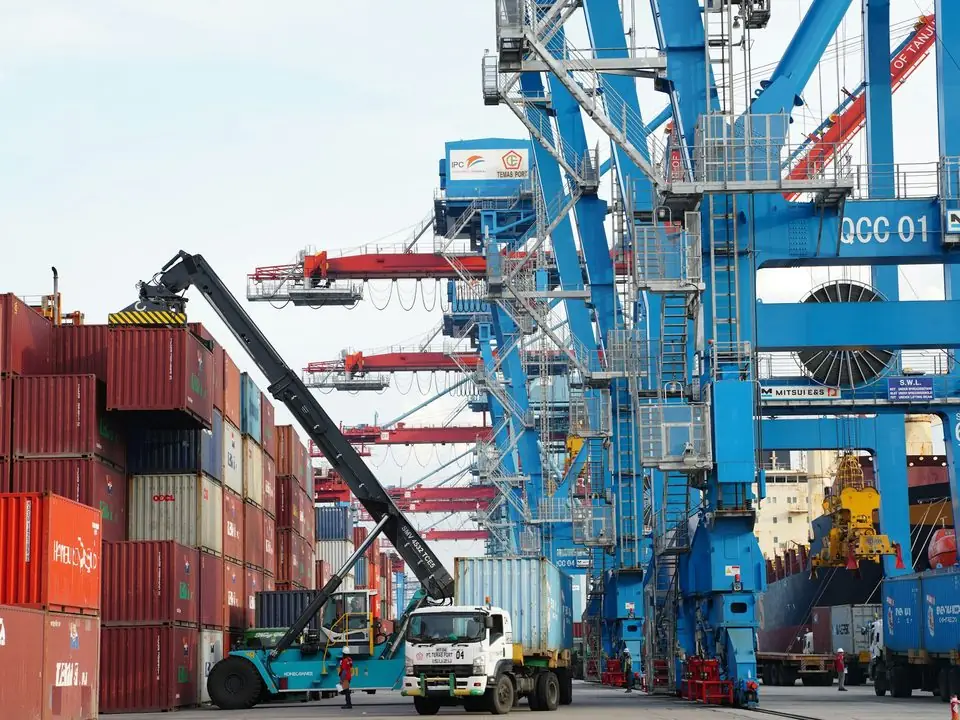
RFID inventory software UAE projects usually start with a frustration that barcodes cannot fix. A fashion retailer at Dubai Mall needs to count thousands of garments overnight. A 3PL in Dubai South needs to confirm every carton on an outbound pallet without breaking it down. An oilfield services company in Abu Dhabi needs to know which tools and cylinders left the yard and which came back.
RFID tags can be read in bulk, at a distance and without a clear line of sight. A handheld reader can capture hundreds of tags in seconds, and fixed readers at dock doors can record movements as goods pass. The trade-off is cost per tag, reader hardware, and the work of integrating reads into your ERP, because none of the mainstream ERPs treats a raw RFID read as a stock transaction on its own.
We are honest about fit. If you move a few hundred order lines a day, barcode scanning is often enough. RFID earns its cost where counts are frequent and large, where items are high value or returnable, or where shrinkage and mis-shipments are expensive.
The products we configure, integrate and support on projects like this one.

 Odoo Inventory
 ERPNext
Product names and logos are trademarks of their respective owners and are shown only to identify the software we implement.
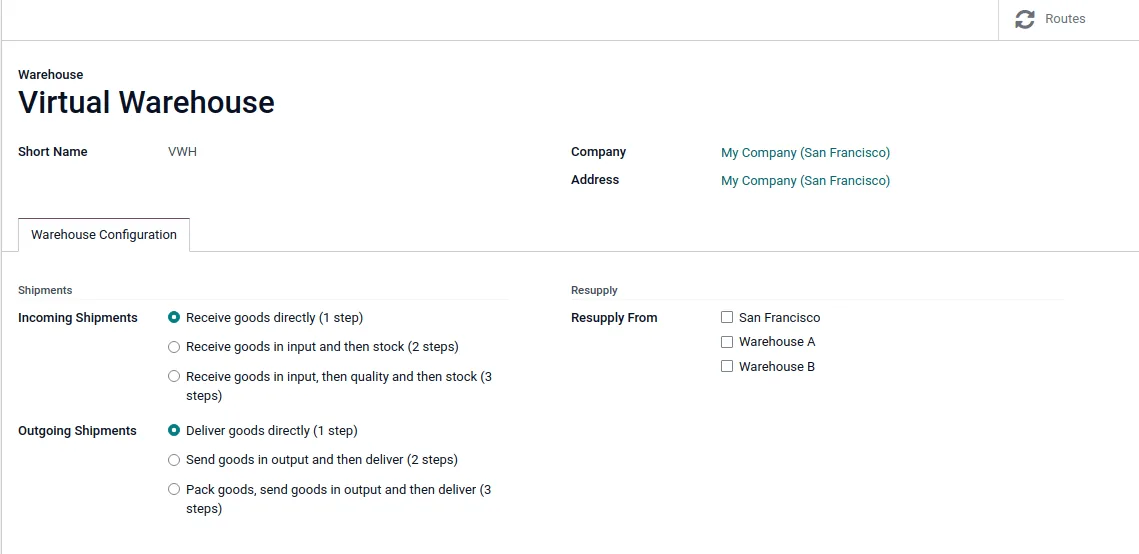
Tag reads only help when they are compared against what the ERP expects. The dashboard shows the differences.
RFID adds a layer between the physical read and the ERP. That layer filters duplicates and decides which transaction to post.
One shared database: every step updates stock, finance and reports in real time.
Most RFID problems come from tag choice and read rules, not from the ERP. These are the areas we plan carefully.
Each tag's unique ID (EPC) is linked to an item, serial, batch or asset in the ERP. Encoding can happen at the supplier, on receipt, or with pre-encoded tags.
Readers pick up the same tag many times and sometimes catch tags from the next aisle. Middleware removes duplicates and applies zone rules before anything reaches the ERP.
Fixed portals suit dock doors and store exits. Handheld readers suit cycle counts and searching for a specific item on the shop floor.
A dock read can confirm a delivery, a count read can propose an adjustment, and an exit read can flag a returnable asset as out. Each needs its own ERP action.
Count differences from RFID are proposed, not posted blindly. A supervisor reviews missing and extra items before stock is adjusted.
Metal, liquids and dense packing reduce read rates. On-metal tags, hard tags and placement tests are part of the pilot, especially for tools and cylinders.
None of the four platforms reads RFID natively out of the box. Each connects through APIs and middleware, with different effort.
| Zoho | Odoo | ERPNext | Dynamics 365 Business Central | |
|---|---|---|---|---|
| Native RFID | No; integration via APIs or Zoho Creator apps | No; integration via custom module or middleware | No; integration via custom app on Frappe | No; integration via partner apps or APIs |
| Where tag IDs live | Custom fields or a Creator app linked to items | Serial or lot numbers, or a custom tag model | Serial No. or a custom doctype | Item tracking or a custom table |
| Posting reads | API calls to create transfers or adjustments | XML-RPC or JSON-RPC calls to stock operations | REST API calls to Stock Entry and reconciliation | API pages or web services to journals |
| Typical use | Asset and tool tracking with light volumes | Warehouse and retail counts with custom logic | Asset and returnable tracking on a tight budget | Larger warehouses with partner RFID solutions |
We design the ERP side and integrate with a chosen RFID hardware and middleware vendor. Reader and tag supply comes from specialist vendors.
An RFID setup combines hardware, edge software and ERP connections.
RFID touches radio regulation as well as tax records. Confirm specifics with vendors and advisors.
Wireless devices sold and used in the UAE are subject to TDRA type approval. Ask your hardware vendor to confirm that readers are approved and configured for the frequency band permitted in the UAE.
Adjustments proposed by RFID counts affect stock and, where goods are written off or used privately, may have VAT implications. Keep approval trails in the ERP and confirm with your tax advisor.
Goods in designated zones and bonded areas must reconcile with customs records. Dock door reads give strong evidence of what physically moved, which helps when quantities are questioned.
If tags stay on goods sold to consumers, consider the UAE Personal Data Protection Law (Federal Decree-Law No. 45 of 2021) where tag data can be linked to individuals. Many retailers use removable tags or deactivate them at sale.
General information, not tax or legal advice. Rules change; confirm current FTA, MOHRE and Ministry of Finance guidance with your advisor.
Connected topics for warehouse and asset tracking.
We configure the system for the rules UAE businesses report against, and test it before go-live.
General information, not tax or legal advice. Confirm current requirements with the FTA, MOHRE or your advisor. See all UAE compliance guides.
On-site workshops in Dubai, Abu Dhabi and Sharjah, and remote or on-site delivery across the Northern Emirates and free zones.
Official sources and references
Facts on this page were checked against these sources in October 2026. Rules change, so confirm current requirements before acting.
Still have a question? Our consultants are happy to help.
Ask an ExpertIt is faster for bulk reads and does not need line of sight, but it costs more per item and needs more integration work. Many UAE businesses use barcodes for most stock and RFID only for high-value, returnable or high-volume count areas.
Usually yes for cardboard and plastic. Metal, liquids and densely packed items can block or reflect signals, so tag choice and placement must be tested during a pilot.
Not natively. Both can receive RFID events through their APIs, typically via middleware that filters reads and calls ERP stock operations. We build and test that link.
Specialist RFID hardware vendors supply tags, readers and often middleware. We work alongside them on the ERP design, data mapping and integration so the reads become usable transactions.
Start with a pilot in one zone, store or asset type. Measure read rates, count time and exception volume before tagging the whole operation.
A pilot with one reader type and one ERP flow often takes 6-10 weeks including hardware testing. Wider rollouts depend on tagging volume and the number of read points.
Related Solutions
Related ERP Platforms
Tell us what you want to track and where, and we will scope a pilot that proves the business case against your ERP.
Dubai, United Arab Emirates