
L
O
A
D
I
N
G


Zoho, Odoo, ERPNext, Dynamics 365 and custom ERP, delivered by one accountable team.

Run your own webstore, Amazon.ae and Noon from one ERP. Orders flow in, stock flows out, and payouts, COD and returns reconcile without spreadsheets.
ERP ecommerce integration connects a UAE seller's webstore, Amazon.ae and Noon to the ERP so there is one product master, one stock figure and one set of accounts. The ERP publishes products, prices and available stock; orders import as sales orders; courier AWBs, tax invoices, payouts, COD and returns reconcile in the ERP. Connectors or middleware are used where native links are missing.
ERP ecommerce integration UAE sellers ask about usually starts with one pain: the same item shows as in stock on the website, on Amazon.ae and on Noon, but there are only four units on the shelf in Al Quoz. Integration connects every online channel to the ERP so there is one product master, one stock figure and one set of books. Orders arrive in the ERP as sales orders, the warehouse picks and packs from them, and the ERP pushes available quantity back to each channel.
Most UAE ecommerce businesses sell through more than one channel: a branded store on Shopify, WooCommerce or Magento, one or two marketplaces, sometimes Instagram or WhatsApp orders keyed in by hand, and a showroom POS. Each channel has its own order IDs, fee structure, payout cycle and return rules. Without integration, someone downloads order reports every morning, retypes them, and finance rebuilds sales from payout statements at month end.
This page covers the platform-neutral design of an online channel integration: what should sync, in which direction, and how often. For a specific storefront see our pages on Shopify integration and WooCommerce integration; for marketplaces see Noon integration. The wider picture of connecting ERP to other systems is on our ERP integrations hub.
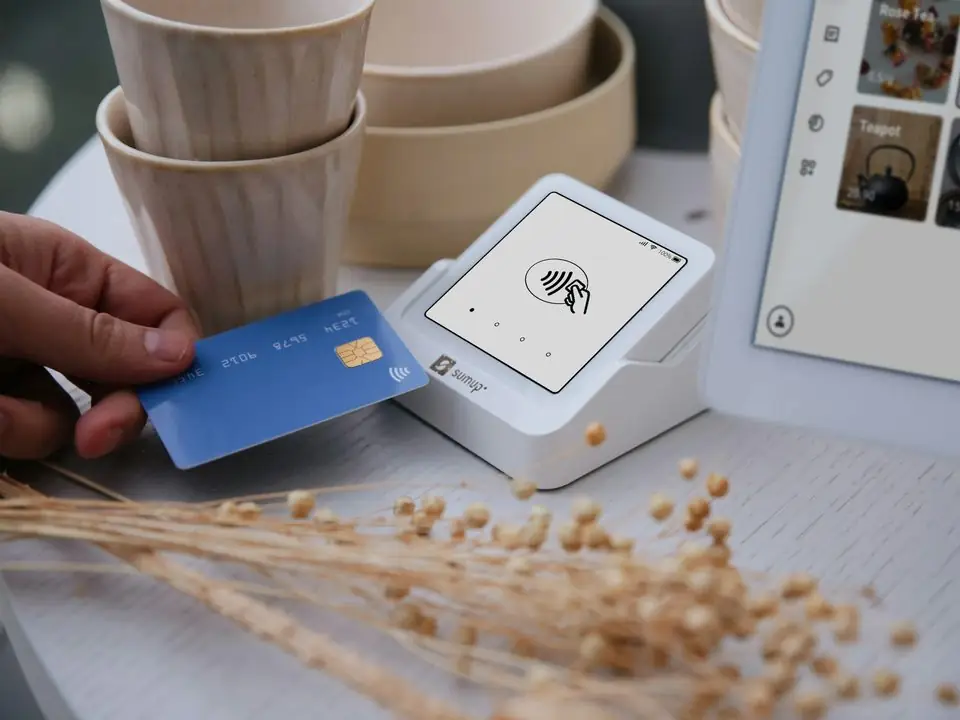
These are the problems we hear from UAE online retailers, distributors with a B2C store, and brands selling on marketplaces.
White Friday, Ramadan and Dubai Shopping Festival push order volumes up fast. Stock updated by hand once a day means cancelled orders, marketplace penalties and unhappy customers.
Staff copy orders from the store admin, Seller Central and the Noon seller portal into the ERP or a sheet. Typos in addresses and SKUs turn into failed deliveries and wrong picks.
Couriers remit cash-on-delivery collections in batches, net of their charges. Without order-level matching, finance cannot tell which orders were paid, refused or still with the driver.
A payout is sales minus commission, fulfilment fees, refunds and adjustments. Booking only the net amount understates revenue and hides the VAT-relevant fee invoices.
Returned items sit in a corner without a credit note or a stock receipt. The website still shows them as sold out while the cost sits in the wrong account.
Price changes made in the ERP do not reach the store, or a promotion on one channel is not reflected in margin reports, so nobody knows which channel is actually profitable.
A typical order-to-cash cycle for a UAE multichannel seller, with the ERP as the system of record for stock, pricing and accounting.
One shared database: every step updates stock, finance and reports in real time.
Directions and frequencies below are common defaults. The right settings depend on order volume, the API limits of each channel, and whether you use marketplace fulfilment.
| Data | Direction | Trigger / frequency | Notes |
|---|---|---|---|
| Products, variants and SKUs | ERP to channel | On create or change | ERP holds the master; channel-specific titles and images can stay in the store |
| Prices and promotions | ERP to channel | On change or scheduled | Keep VAT-inclusive display prices consistent with the ERP price list |
| Available stock | ERP to channel | Near real time or every few minutes | Available = on hand minus reserved minus safety buffer per channel |
| Orders and customers | Channel to ERP | Webhook or polling every few minutes | Map channel order ID, payment method (prepaid, COD, BNPL) and shipping method |
| Fulfilment status and tracking | ERP to channel | On dispatch | Courier AWB number and tracking link sent back to the order |
| Payouts and settlement reports | Channel to ERP | Per payout cycle | Split into gross sales, commission, fees, refunds and reserves |
| COD remittances | Courier to ERP | Per remittance file | Match by AWB or order number; flag short-paid and refused orders |
| Returns and refunds | Both ways | On return request and receipt | Stock back to a quarantine location until inspected; credit note in ERP |
| Marketplace-fulfilled stock | Channel to ERP | Daily inventory report | Track stock held in marketplace warehouses as a separate location |
The method depends on the ERP and the channel. Native connectors cover common storefronts on some platforms; marketplaces usually need an API-based connector or middleware. For platform specifics see Odoo ecommerce integration, ERPNext ecommerce integration and Zoho Inventory ecommerce integration.
We treat the integration as part of order-to-cash design, not as a plugin install.
List every channel, fulfilment model (own warehouse, 3PL, marketplace-fulfilled), payment method and return policy. Each combination needs its own posting rule.
Agree one SKU per sellable item, map variants and bundles, and fix duplicate listings before anything syncs. Most integration errors start here.
Decide how payouts, fees, COD and refunds post, and set up clearing accounts per channel so each payout reconciles to zero.
Run a sandbox or low-volume test with prepaid, COD, partial refund and full return scenarios, including an order placed during a stock-out.
Switch channels on one at a time, starting with the smallest, and monitor the sync log and error queue daily for the first weeks.
These are configuration considerations, not tax advice. Confirm the treatment for your business model with your tax advisor.
Webstore prices are normally shown VAT-inclusive. The ERP should back out 5% VAT correctly, apply your TRN on tax invoices, and treat exports outside the UAE according to the rules that apply to them.
Commission and fulfilment fees are purchases from the marketplace, usually with their own tax invoices. Booking them separately keeps input VAT recoverable and revenue reported gross.
Under Ministerial Decisions 243 and 244 of 2025, in-scope invoices move to the PINT AE format through an Accredited Service Provider, with phased dates from 1 January 2027. Current guidance focuses on B2B and B2G; check the latest MoF/FTA guidance for how online sales are treated.
Keep orders, invoices, payout statements and courier remittances for at least five years, as required for tax records, with a link from each invoice to its source order.
General information, not tax or legal advice. Rules change; confirm current FTA, MOHRE and Ministry of Finance guidance with your advisor.
Results depend on data quality and order volume, but these are the improvements online sellers usually aim for.
Stock is pushed from one figure, so channels stop selling units that are already reserved elsewhere.
Orders land in the warehouse queue as they are placed, without a morning of data entry first.
Gross sales, fees, returns and delivery costs post per channel, which feeds the margin reports our ERP for ecommerce companies page describes.
Payouts and COD remittances clear against invoices through clearing accounts instead of being rebuilt at month end.
We configure the system for the rules UAE businesses report against, and test it before go-live.
General information, not tax or legal advice. Confirm current requirements with the FTA, MOHRE or your advisor. See all UAE compliance guides.
On-site workshops in Dubai, Abu Dhabi and Sharjah, and remote or on-site delivery across the Northern Emirates and free zones.
Official sources and references
Facts on this page were checked against these sources in October 2026. Rules change, so confirm current requirements before acting.
Still have a question? Our consultants are happy to help.
Ask an ExpertThe ERP should be the master for stock and cost, because it sees every channel, the showroom and the warehouse. The store and marketplaces receive available quantity from the ERP. The store can stay the master for marketing content such as descriptions and images.
For most UAE sellers, every few minutes or event-driven is enough. Fast-moving catalogs with flash sales need near real-time updates and a safety buffer per channel. Very frequent full-catalog syncs can hit channel API limits, so we sync changes only.
Yes, if the courier provides a remittance file or API with AWB or order numbers. The ERP matches each line to an open invoice, posts courier charges separately, and lists refused and short-paid orders for follow-up.
Those usually come in as manual or semi-automated orders. A simple order form or our WhatsApp integration can create a draft sales order so stock is reserved immediately.
Not always. If your ERP has a reliable native connector for your store, start there. Middleware or a custom service makes sense when you combine several marketplaces, a 3PL and custom posting rules.
We implement Zoho, Odoo, ERPNext and Dynamics 365, and the right fit depends on channels, volume and complexity. Odoo suits sellers who want the store and ERP in one system, Zoho Inventory suits smaller multichannel catalogs, and ERPNext or Dynamics 365 suit larger operations with custom flows.
Related Solutions
Related Industries
Related ERP Platforms
Related Guides
Tell us your channels, couriers and order volume, and we will map an integration plan that fits your ERP.
Dubai, United Arab Emirates