
L
O
A
D
I
N
G


Zoho, Odoo, ERPNext, Dynamics 365 and custom ERP, delivered by one accountable team.

Galvanizing, powder coating, heat treatment, CNC machining or garment stitching sent to outside workshops still belongs to you. Track every kilo out and every piece back, and cost the operation correctly.
Material sent for job work such as galvanizing, powder coating or CMT stitching should move in the ERP to a subcontractor stock location you still own, not be written off as consumed. A subcontract purchase order linked to the work order covers the service. On return, the ERP records processed goods, yield, scrap and leftovers, matches the invoice to the PO and adds the service cost to the finished item.
An ERP for subcontract manufacturing in the UAE handles the part of production you do not do in-house. A steel fabricator in Mussafah sends beams for hot-dip galvanizing, an aluminum fabricator sends profiles for powder coating, a furniture maker in Al Quoz sends panels for veneer pressing, and a garment unit in Ajman sends cut pieces to a CMT workshop for stitching. The material leaves your gate, gets processed by someone else, and comes back as a different item.
In most companies that movement is tracked with a gate pass and a handwritten delivery note. The subcontractor's invoice arrives weeks later, nobody checks the returned weight against what was sent, and the stock report still shows the material in your store or shows it as consumed. The result is unexplained stock differences, overpaid job work and finished goods that cost more than the costing sheet says.
This page is about outsourcing operations as the buyer of the service. If you are the factory making whole products for brand owners, read ERP for contract manufacturing. For in-house operations on the shop floor see work order management.
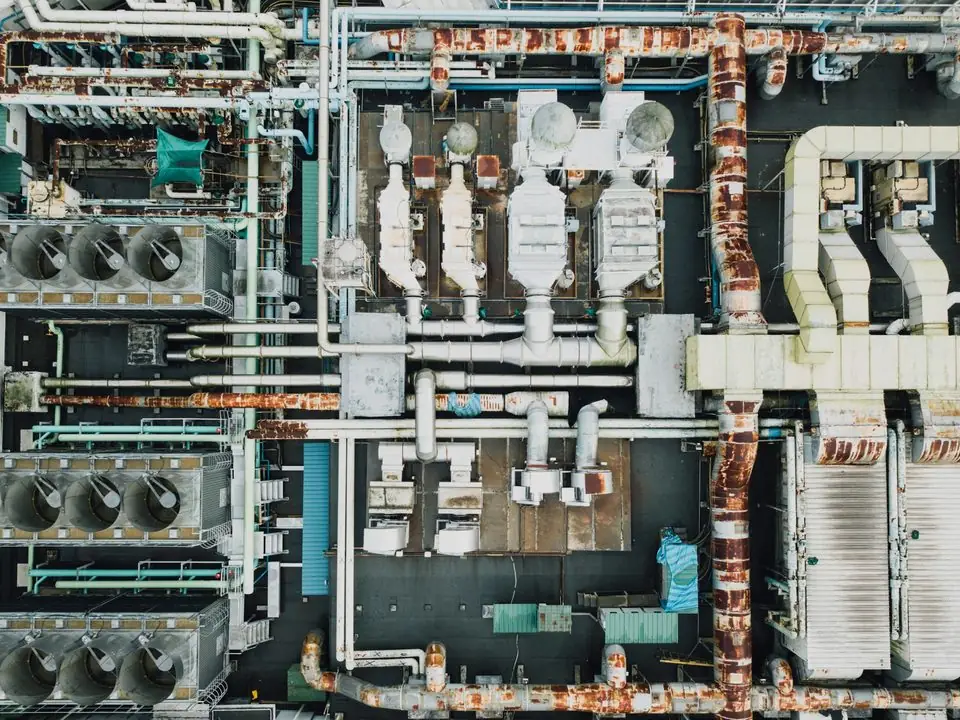
These are the gaps we find when outside processing runs on gate passes, phone calls and supplier invoices.
Material is written off when it leaves the store, so nobody knows how much is still at the coater or galvanizer. At year-end the physical count and the books disagree.
Galvanizing adds zinc weight and machining removes metal. Without an expected yield, the returned quantity is accepted as it is and losses are never questioned.
The subcontractor bills per kilo, per piece or per square meter. If there is no service PO and receipt, AP pays whatever quantity is on the invoice.
Planners do not know when processed parts will come back, so assembly is scheduled on a guess and the line stops when parts are late.
The coating charge is booked to a general expense account, so the cost of each finished item is understated and pricing decisions use the wrong number.
Rejected coating thickness or poor stitching is discovered at assembly or at the customer site, after the subcontractor has already been paid.
The flow we configure for UAE manufacturers that outsource one or more operations.
One shared database: every step updates stock, finance and reports in real time.
Subcontracting sits between purchasing, inventory and manufacturing, so all three must be configured together.
BOMs or routing steps marked as outside operations, with the subcontractor, the service item and the expected yield.
A PO for the service with the price per piece, kilo or square meter, raised from the work order or the plan.
A stock location per subcontractor so material sent out stays in your inventory until it is consumed.
Transfer documents with weights, lot numbers and vehicle details printed as the delivery note that leaves with the truck.
Receipt of processed goods with quality checks such as coating thickness, hardness or stitch count before acceptance.
Expected versus actual output, with scrap and leftover material returned or written off with approval.
Subcontractor invoice matched against the service PO and the accepted quantity before payment.
Material, in-house labor and subcontract charges combined in the cost of the finished or semi-finished item.
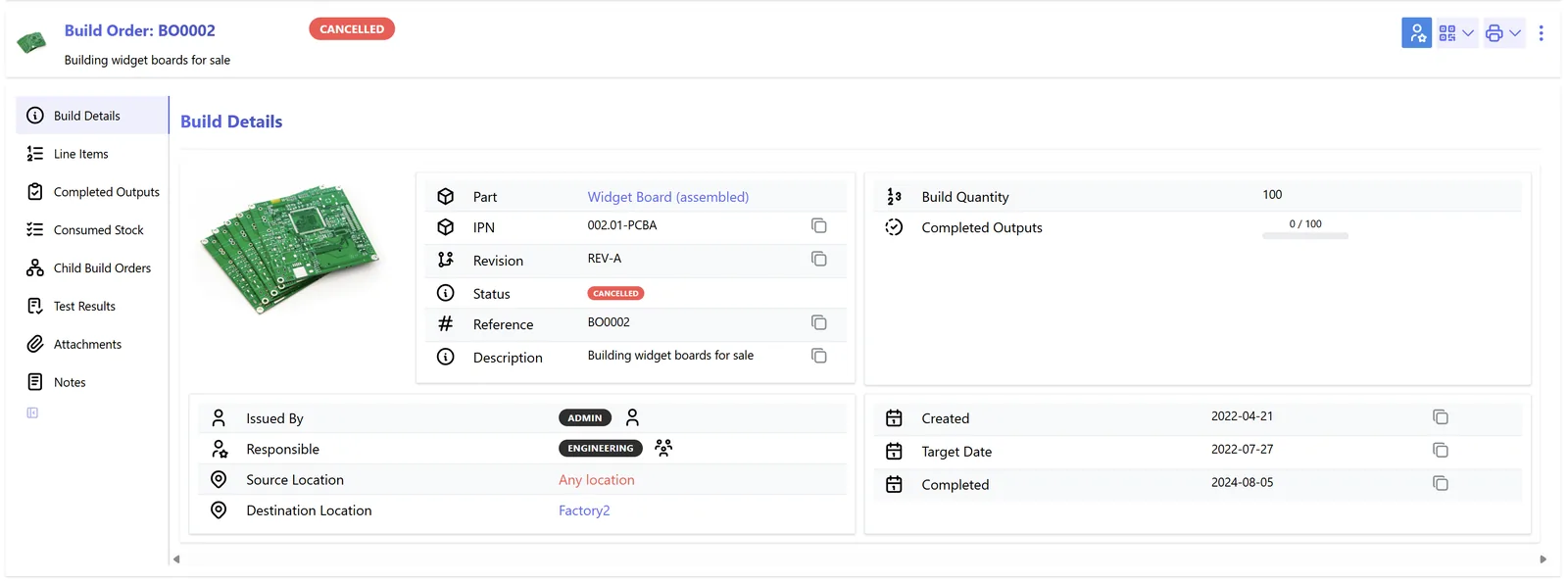
Planners, the purchase team and the plant manager need one view of what is out, what is late and what it costs.
Native support differs widely. Confirm the details for your edition and version before deciding.
| Zoho | Odoo | ERPNext | Dynamics 365 | |
|---|---|---|---|---|
| Native subcontracting | Not native in Zoho Inventory; built in Zoho Creator or handled with transfer orders and service POs | Subcontracting option in Manufacturing with BoM type Subcontracting | Subcontracting Order and Subcontracting Receipt in recent versions | Business Central supports subcontract work centers and a subcontracting worksheet |
| Stock at subcontractor | Separate warehouse per subcontractor | Subcontractor location with resupply routes | Supplier warehouse on the subcontracting order | Transfer to a subcontractor location; confirm setup with your partner |
| Service PO | Purchase order for a service item | PO for the subcontracted product triggers component resupply | Purchase Order with subcontracted item creates the Subcontracting Order | Purchase order created from the subcontracting worksheet for the routing operation |
| Receipt and consumption | Manual adjustment or custom app logic | Receipt of finished product consumes components at the subcontractor | Subcontracting Receipt consumes supplied items and books the service cost | Output posting on the routing operation when the PO is received |
| Subcontractor portal | Possible with Zoho Creator portals | Subcontractor portal for recording production | Supplier portal with limited views | Typically via Power Apps or a partner extension |
| Best suited to | Light outside processing with few subcontractors | Factories with regular outsourced assemblies | Fabricators and garment units needing native job work at low licence cost | Larger plants with routings and many outside operations |
We implement Zoho, Odoo, ERPNext and Dynamics 365 and recommend by fit.
Most data comes from inside the ERP, but a few outside tools make the process faster.
Moving goods to another company's premises raises tax and documentation questions. Confirm the treatment for your situation with your tax advisor.
The subcontractor's charge is usually a taxable supply of services at 5%, and you recover input VAT with a valid tax invoice that shows their TRN. Sending your own material for processing without a change of ownership is generally not a sale, but keep transfer documents to show that ownership stayed with you.
When material moves between a free zone factory and a mainland subcontractor, customs documents and VAT rules for designated zones may apply. Record the exit and return documents against the transfer.
Subcontractor invoices will arrive as structured PINT AE e-invoices through Accredited Service Providers, phased by revenue from 1 January 2027 and 1 July 2027. Matching them to service POs will become easier if POs are already in the ERP. Check the latest Ministry of Finance and FTA guidance.
Stock held at subcontractors is still your inventory for financial statements and corporate tax. Year-end confirmations from each subcontractor should match the subcontractor locations in the ERP.
General information, not tax or legal advice. Rules change; confirm current FTA, MOHRE and Ministry of Finance guidance with your advisor.
Benefits clients look for. Results depend on recording every transfer and receipt in the system.
Stock at each subcontractor is visible and can be confirmed against their count.
Invoices are checked against the PO price and the accepted quantity before payment.
Outsourced operations appear in item cost instead of general expenses.
Yield, rejection and delivery performance per subcontractor support sourcing decisions.
Ranges for adding subcontracting to an existing or new ERP. Many subcontractors or weighbridge integration add time.
Durations are typical ranges; your plan is agreed after discovery.
List outsourced operations, subcontractors, pricing units and how material moves today.
Set up subcontractor locations, service items, BOMs or routings, POs and inspection steps.
Count and confirm material currently at each subcontractor and load it to their locations.
Run one operation, such as galvanizing or coating, end to end before adding others.
Compare actual yields and costs with standards and adjust BOMs and prices.
We configure the system for the rules UAE businesses report against, and test it before go-live.
General information, not tax or legal advice. Confirm current requirements with the FTA, MOHRE or your advisor. See all UAE compliance guides.
On-site workshops in Dubai, Abu Dhabi and Sharjah, and remote or on-site delivery across the Northern Emirates and free zones.
Official sources and references
Facts on this page were checked against these sources in October 2026. Rules change, so confirm current requirements before acting.
Still have a question? Our consultants are happy to help.
Ask an ExpertNo. It should move to a subcontractor location that is still part of your inventory. It is consumed only when the processed item is received back, which keeps stock values and year-end counts correct.
Set the expected output on the subcontract BOM or routing, for example a zinc pickup allowance, and record the actual weight on receipt. The ERP then shows the variance by job and by subcontractor. Our steel manufacturing ERP page covers weight-based items in more detail.
Odoo and ERPNext both have native subcontracting flows that consume components at the subcontractor on receipt, and Business Central supports subcontract operations on routings. Zoho usually needs a custom app. See Odoo for manufacturing companies and ERPNext for manufacturing.
Yes. Cut pieces go to the CMT unit as a transfer, the stitching charge is a service PO per piece, and finished garments come back by size and color. Rejects and missing pieces are recorded on receipt. See ERP for garment manufacturing.
Open subcontract POs carry a promised return date, so planning can treat outsourced parts like any other supply. Late returns show on the dashboard and can be chased before assembly is affected. Repeated delays are also a downtime cause worth tracking, as covered in ERP for manufacturing downtime.
Usually production planning raises the requirement, purchasing issues the service PO, stores handles transfers and receipts, and QC accepts the output. The manufacturing manager reviews yield and cost by subcontractor each month.
Related Solutions
Related Industries
Related ERP Platforms
Share how you send work to subcontractors today and we will map a subcontracting flow on the ERP that fits your factory.
Dubai, United Arab Emirates










