L
O
A
D
I
N
G


Zoho, Odoo, ERPNext, Dynamics 365 and custom ERP, delivered by one accountable team.

Excavators idle on one site while another hires the same machine at market rates. Equipment management in the ERP shows where every asset is, what it costs and which project should pay for it.
Construction equipment management in an ERP keeps a register of owned and hired plant with location, operator and status, schedules preventive maintenance by hours or calendar, tracks inspection certificates and registrations, verifies hire-in invoices against delivery and off-hire records, and charges equipment cost to projects. UAE contractors avoid hiring machines they already own idle on another site.
Construction equipment management in the UAE covers a mixed fleet: owned excavators, loaders and generators, tower and mobile cranes on long-term hire, scaffolding and formwork moving between jobs, and pickups and buses that carry crews from labor accommodation to site. A mid-size contractor might run this across Dubai South, Abu Dhabi industrial areas and a few villa projects in Sharjah at the same time.
The plant manager's week usually involves chasing hour-meter readings by phone, booking a service before a machine breaks down in the summer heat, renewing third-party inspection certificates for lifting equipment, and arguing with project managers about who pays for a generator that sat idle. Hire-in invoices arrive from rental companies with day counts that nobody can verify, and fuel purchased by site staff is booked to general overheads.
This page covers the equipment register, allocation, utilization, maintenance and cost recovery. If your business rents equipment out to others as its main activity, see ERP for equipment rental companies. Labor and operators are covered under construction workforce management.
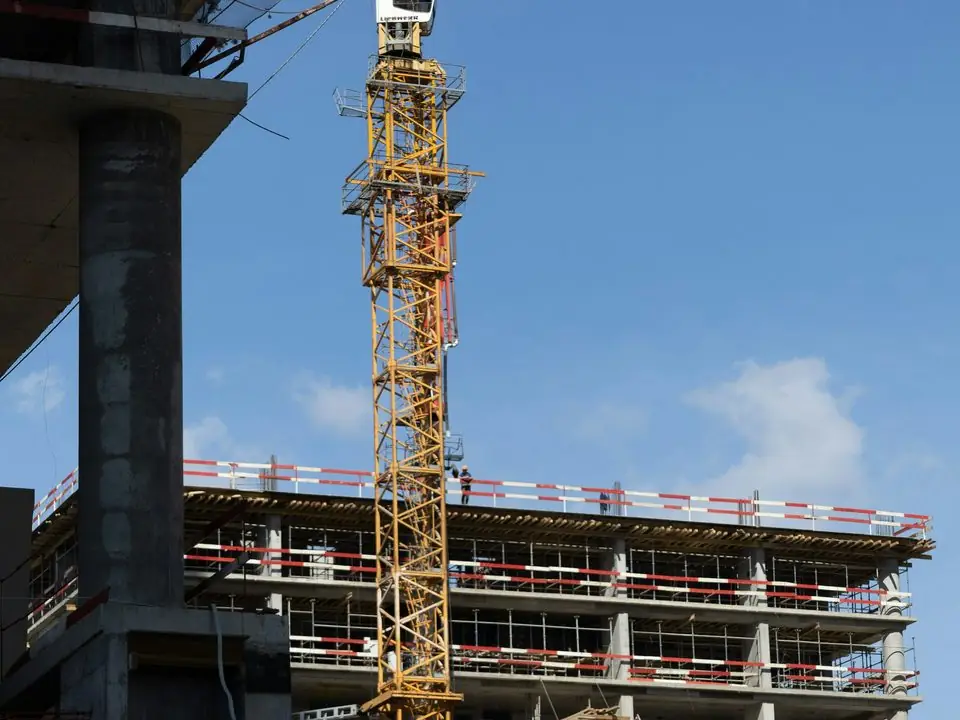
Each of these hides cost inside overheads or inflates hire bills.
Machines move between sites on a phone call with no transfer record. Projects hire externally while an owned unit stands idle elsewhere.
Rental invoices bill for days the equipment was off-hired or broken down. Without delivery and return records, the AP clerk pays what is invoiced.
Services are skipped during busy periods, and a failed hydraulic pump stops a pour. Repair costs and downtime both rise.
Lifting equipment inspection certificates, vehicle registrations and insurance lapse without warning. A site inspection can then stop work.
Depreciation, fuel and repairs sit in head-office overheads. Project margins look better than they are, and tenders are priced with wrong plant rates.
Diesel bought in cash or by card is not linked to a machine or hour-meter reading, so consumption anomalies go unnoticed.
The same flow works for owned and hired-in equipment; only the cost source differs.
One shared database: every step updates stock, finance and reports in real time.
Most contractors combine fixed assets, maintenance and project costing rather than buying a separate fleet system.
Each machine with make, model, serial, capacity, location, operator and status, linked to its fixed asset record.
Capitalization, depreciation schedules and disposal for owned plant, posted to the ledger.
Preventive plans by hours or calendar, breakdown requests, job cards and spare parts consumption.
Rental agreements with rate, start date, off-hire date and supplier, matched to rental invoices.
Foremen or operators record hour-meter readings, fuel and idle reasons from a phone.
Internal hire rates per hour or day charged to project cost codes automatically.
Inspection certificates, registrations and insurance with alerts before expiry.
Diesel and parts issued against a machine, so consumption per hour can be compared.
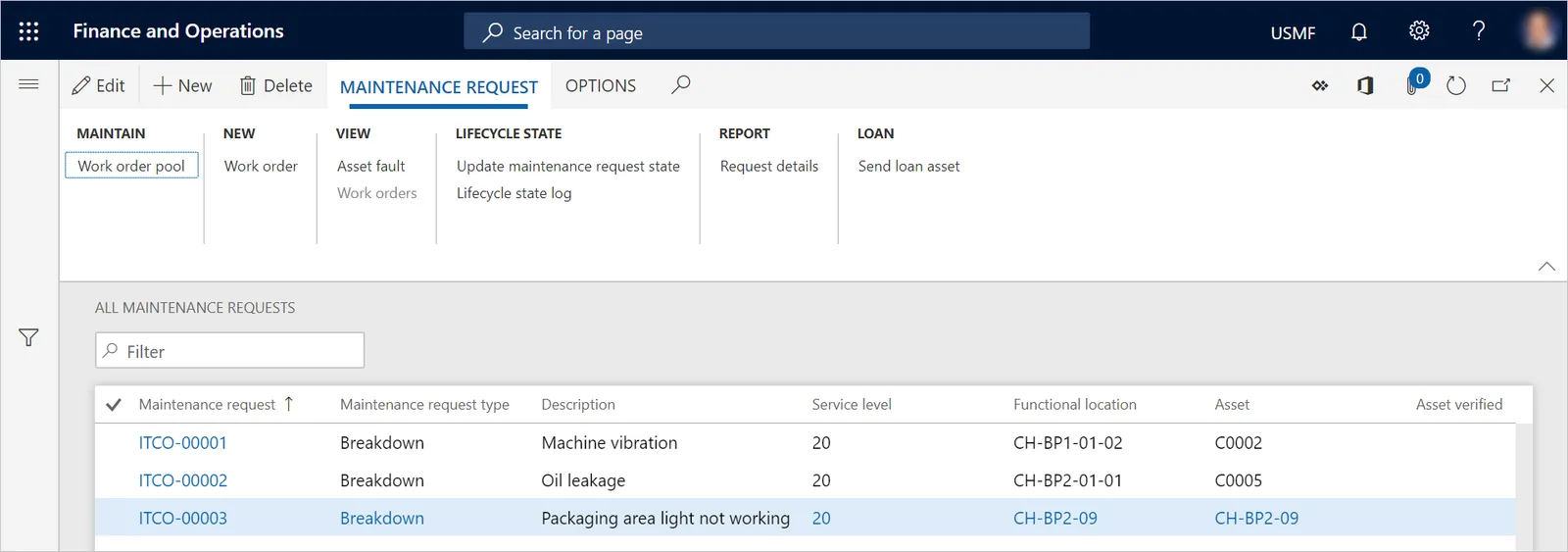
The goal is to see utilization and cost in one place, so allocation decisions are based on data.
All four can manage this process; the effort lies in mobile logging and the internal hire charge. Confirm features for your edition.
| Zoho | Odoo | ERPNext | Dynamics 365 | |
|---|---|---|---|---|
| Asset register | Fixed assets in Zoho Books; detailed register often built in Zoho Creator | Equipment in the Maintenance app linked to Assets in Accounting | Asset DocType with location, custodian and movements | Fixed Assets in Business Central; resources for equipment |
| Maintenance | Custom app in Zoho Creator or third-party integration | Maintenance app with preventive requests and calendar | Asset Maintenance and Asset Repair | Fixed asset maintenance; deeper needs via extensions or Field Service |
| Hour and fuel logs | Zoho Creator mobile forms | Custom fields or a small module; Fleet app for vehicles | Custom DocType or Asset Maintenance logs | Resource time sheets or extensions |
| Charging projects | Manual journals or Creator automation to Zoho Books | Analytic distribution to project accounts | Timesheet or journal costing to project | Resource usage posted to jobs at a unit cost |
| Vehicle fleet | Integration with fleet tools | Fleet app for vehicles, contracts and odometer | Vehicle and Vehicle Log DocTypes | Typically via extensions |
| Typical fit | Small fleets, custom forms | Mixed fleets with maintenance focus | Cost-conscious firms needing asset control | Larger groups on Microsoft |
Manual logs are the weak point, so connections that capture data automatically pay off.
These are the points finance and HSE usually raise. Confirm tax treatment with your advisor.
Hire-in charges, repairs and fuel are generally standard-rated at 5%. Recording the TRN and tax invoice against each machine supports input tax recovery.
Accounting depreciation on plant feeds the financial statements used for the 9% corporate tax computation, so the asset register must reconcile to the ledger.
Lifting equipment typically needs periodic third-party inspection, and vehicles need valid registration and insurance. Store certificates with expiry alerts and check current authority requirements.
Asset purchase, disposal and hire records count as business records; keep them for at least 5 years under UAE rules.
General information, not tax or legal advice. Rules change; confirm current FTA, MOHRE and Ministry of Finance guidance with your advisor.
Outcomes depend on how consistently sites log usage.
Idle owned equipment is visible before a project hires the same item externally.
Hire days are checked against delivery, off-hire and breakdown records.
Preventive maintenance by hours keeps critical plant available.
Projects carry their share of equipment cost, which also improves plant rates in future estimates.
Typical ranges; a full physical verification of equipment often takes longest.
Durations are typical ranges; your plan is agreed after discovery.
Count and tag every owned and hired-in item, with location and condition.
Load the register, link to fixed assets and agree internal hire rates.
Set service intervals, inspection schedules and expiry alerts.
Roll out daily logs for hours, fuel and idle reasons on pilot sites.
Post internal hire to projects and review with project managers.
We configure the system for the rules UAE businesses report against, and test it before go-live.
General information, not tax or legal advice. Confirm current requirements with the FTA, MOHRE or your advisor. See all UAE compliance guides.
On-site workshops in Dubai, Abu Dhabi and Sharjah, and remote or on-site delivery across the Northern Emirates and free zones.
Official sources and references
Facts on this page were checked against these sources in October 2026. Rules change, so confirm current requirements before acting.
Still have a question? Our consultants are happy to help.
Ask an ExpertMost contractors base it on depreciation, finance cost, insurance, maintenance and a utilization assumption, sometimes benchmarked to market hire rates. The ERP applies the rate; finance should agree the method once and review it annually.
Yes. All four platforms support mobile forms or apps where an operator or foreman records hour-meter readings, fuel and idle reasons. Photos of the meter reduce disputes.
Record each hire-in as a contract with rate and dates, log delivery and off-hire, and match the rental invoice to those records before payment. The hire then flows into construction procurement and the project budget.
Not to start. Many contractors begin with manual daily logs and add telematics for high-value machines, where location and engine hours sync automatically.
Vehicles are part of it, but construction plant needs hour-based maintenance, site allocation and project charging. Dedicated fleet management software is useful if you run a large vehicle fleet alongside plant.
Odoo combines Maintenance, Fleet and project accounting well; ERPNext has a strong asset module at low cost; Business Central suits Microsoft shops; Zoho needs Zoho Creator for most of it. See Odoo for construction or Zoho for construction for platform detail.
Related Solutions
Related Industries
Related ERP Platforms
We will map your current equipment tracking and show how utilization, maintenance and project charging would run in an ERP.
Dubai, United Arab Emirates