
L
O
A
D
I
N
G


Zoho, Odoo, ERPNext, Dynamics 365 and custom ERP, delivered by one accountable team.

Safety stock protects sales when demand spikes or a shipment is late. An ERP helps you size the buffer per item, hold it in the right place and see when it is actually used.
Safety stock in an ERP is a buffer sized per item and location from both demand variability and supplier lead-time variability, with higher service levels for critical items. UAE businesses face demand spikes around Ramadan, Eid and Dubai Shopping Festival and supply delays at Jebel Ali or Khalifa Port, so buffers should be reserved from normal sales, tracked when used and recalculated quarterly.
ERP for safety stock management UAE is about deciding how much extra stock to hold as insurance, and proving that the insurance is worth its cost. Safety stock is the quantity you plan never to touch in a normal cycle. It is consumed only when demand is higher than expected or when a supplier delivers late.
UAE businesses face both risks. Demand jumps around Ramadan, Eid, Dubai Shopping Festival, school terms and large project awards. Supply risk is just as real: a large share of goods is imported by sea, and a vessel delay, a customs hold at Jebel Ali or Khalifa Port, or a supplier holiday in the country of origin can add days or weeks. A contractor waiting for imported fittings or a pharmacy chain waiting for a regulated product cannot simply buy elsewhere tomorrow.
The answer is not more stock everywhere. It is a buffer sized for each item's variability and importance, held at the right location. This page covers how to calculate and govern safety stock. How it feeds the reorder trigger is covered under minimum stock levels, and items that make sense to manufacture in advance are discussed in make-to-stock manufacturing.
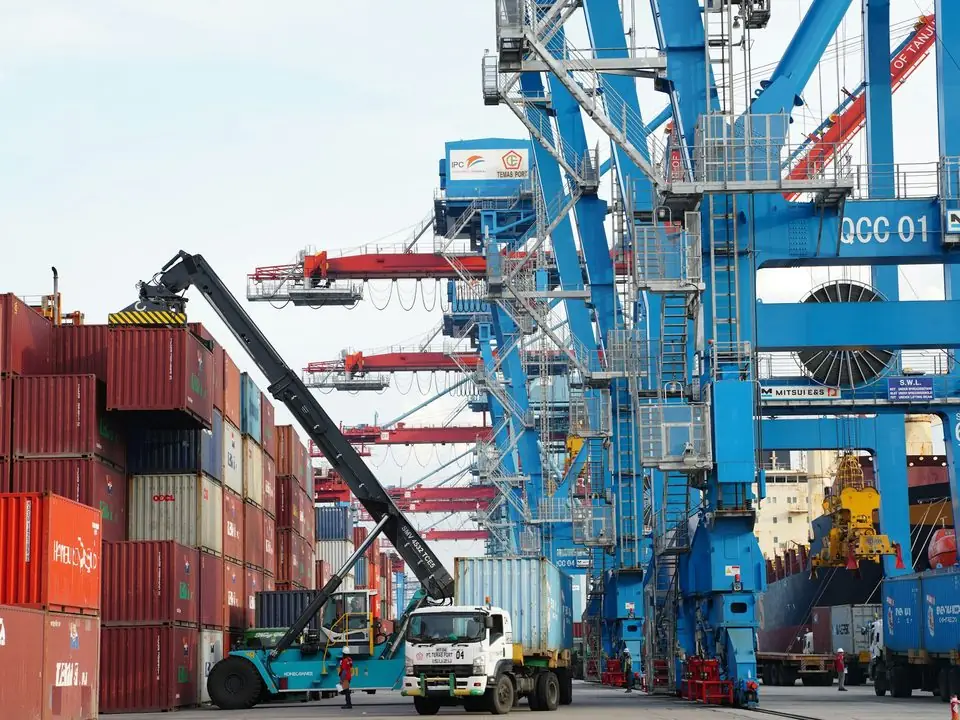
Buffers that are never measured either protect nothing or quietly absorb working capital.
A rule such as two weeks of extra stock for everything overprotects stable items and underprotects volatile ones. Cash ends up in the wrong products.
Calculations often use average demand variability only. For imported goods, the bigger risk is the shipment that arrives ten days late.
Sales and branches see the buffer as free stock and promise it to customers. When the late container arrives, there is nothing left to protect.
Nobody has agreed which items must almost never run out and which can occasionally be short. Without that, every buffer is a negotiation.
When an item declines, its safety stock remains on the shelf. Over time it ages and shows up in stock aging reports as slow-moving.
This cycle ties the buffer to measured risk and checks whether it is doing its job.
One shared database: every step updates stock, finance and reports in real time.
Safety stock is a parameter, but managing it well draws on several modules.
Safety stock quantity or safety lead time per item and location, where the platform supports it.
Promised versus actual receipt dates per supplier, the raw data for lead-time variability.
Daily or weekly demand per item and location to measure how much it swings.
Planning engines that respect safety stock when proposing purchases or production.
Rules that stop sales orders from consuming the buffer without approval.
Stock below safety level, buffer usage events and excess buffer by value.
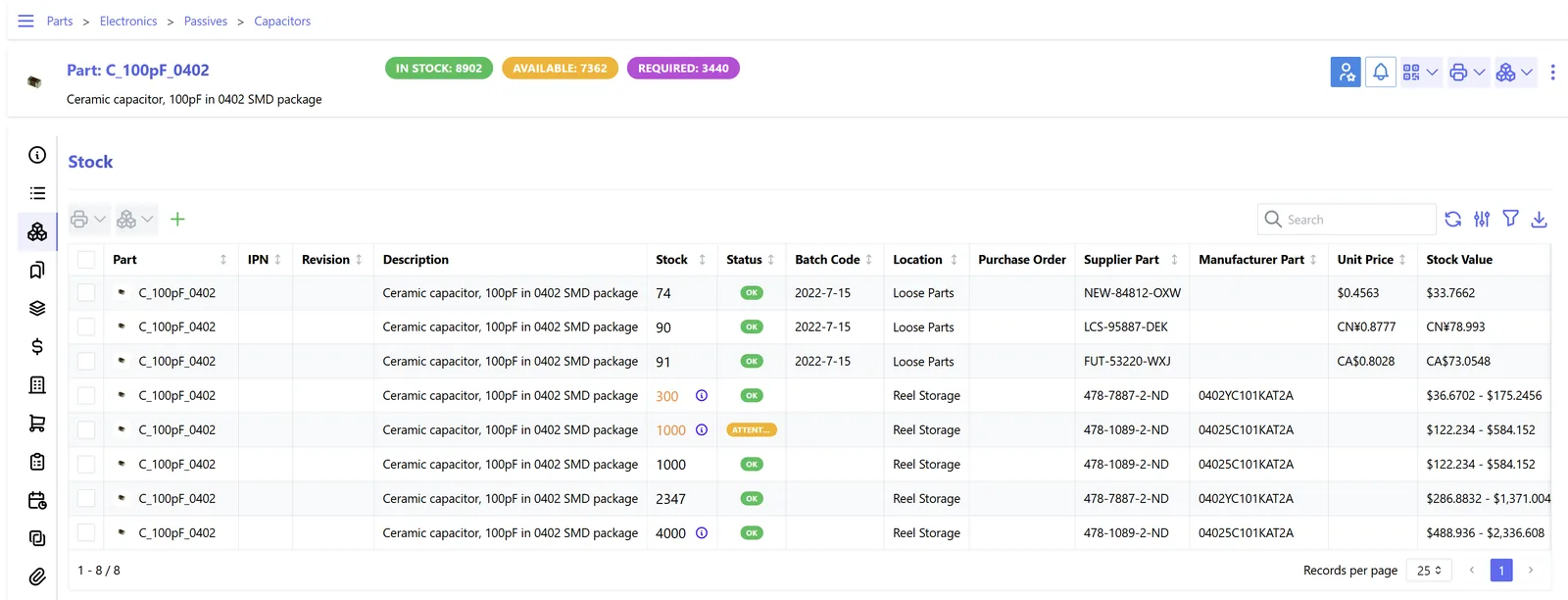
The point of the dashboard is to show when the buffer was used and whether it was enough.
Not every platform has an explicit safety stock field. Where it does not, the buffer is built into the minimum. Verify for your version.
| Zoho | Odoo | ERPNext | Dynamics 365 | |
|---|---|---|---|---|
| Explicit field | No dedicated field in Zoho Inventory; included in the reorder level | Usually included in the minimum of the reordering rule | Safety stock field on the item, used in planning | Safety stock quantity and safety lead time on item / SKU (Business Central) |
| Lead-time buffer | Not native | Purchase security lead time setting | Lead time on item | Safety lead time |
| Per-location buffers | Through per-warehouse reorder levels where available | Via per-location reordering rules | Via warehouse-level reorder rows | Via stockkeeping units |
| Calculation support | Reports plus analytics or a custom function | Forecast in replenishment report; custom report for formula | Custom report or script | Planning parameters and worksheets |
| Protecting the buffer | Process control | Reservation rules and custom checks | Custom validation | Availability warnings and planning |
For heavy planning needs we may add a calculation report or BI model on top of the ERP.
Safety stock needs variability data, which often lives outside the stock module.
Buffers are a commercial choice, but they interact with tax and regulatory rules. Confirm specifics with your advisor.
Large buffers on declining items lead to obsolescence provisions, which affect accounting profit and corporate tax computations. Keep documented reasons.
Holding buffer stock in a designated zone warehouse can have VAT implications when goods move to the mainland. Plan the location with your tax advisor.
Medicines, food and cosmetics need buffers that respect expiry. Use FEFO picking so older batches leave first.
Planning records, receipts and adjustments support your stock figures and must be kept for at least five years.
General information, not tax or legal advice. Rules change; confirm current FTA, MOHRE and Ministry of Finance guidance with your advisor.
The aim is protection where it matters and less cash where it does not.
High service levels where a shortage stops a project or loses a key customer.
Low-value, low-risk items carry small buffers or none.
Unreliable lead times show up in data, helping buyer negotiations.
Safety stock is recalculated instead of quietly turning into slow stock.
On an existing ERP, the work is mostly data analysis and agreement. It often takes 4-8 weeks.
Durations are typical ranges; your plan is agreed after discovery.
Demand by item and location, and receipt history against promised dates.
Agree segments and target service levels with sales and operations.
Compute buffers, compare with current stock and review the cash impact.
Update ERP settings, build the monitoring dashboard and set the review rhythm.
We configure the system for the rules UAE businesses report against, and test it before go-live.
General information, not tax or legal advice. Confirm current requirements with the FTA, MOHRE or your advisor. See all UAE compliance guides.
On-site workshops in Dubai, Abu Dhabi and Sharjah, and remote or on-site delivery across the Northern Emirates and free zones.
Official sources and references
Facts on this page were checked against these sources in October 2026. Rules change, so confirm current requirements before acting.
A common formula multiplies a service-level factor by the variability of demand during the lead time, and adds a term for lead-time variability. For simple items, many companies start with a number of days of average demand and refine with data.
No. The minimum is the reorder trigger: expected demand during lead time plus safety stock. Safety stock is only the buffer part.
Not necessarily. Items bought to order, very slow movers or items with reliable local supply may need little or none. Focus buffers on critical and volatile items.
Usually centrally, because one buffer protects all branches. Hold it at branches only where transfer time is too long for the service you promise. See inventory replenishment for how branches are refilled.
Use reservation rules or availability checks that show safety stock as protected, with approval needed to release it. This differs by platform and may need configuration.
Quarterly is common, plus after any major supplier change. Use stock counts and reconciliation to make sure the underlying figures are right.
Related Solutions
Related Industries
Related ERP Platforms
We will analyze your demand and supplier lead times and propose safety stock by item segment.
Dubai, United Arab Emirates










