L
O
A
D
I
N
G


Zoho, Odoo, ERPNext, Dynamics 365 and custom ERP, delivered by one accountable team.

Manufacturers sell specifications, samples and capacity, not just products. A manufacturing CRM keeps the technical detail, costing and delivery promise tied to each customer.
A CRM for UAE manufacturers manages the technical sales process from RFQ to repeat order: drawings and specifications on the opportunity, engineering feasibility review, cost-based quotes from the BOM and routing, sample or trial batch approval by the customer's quality team, framework agreements and call-off orders. Odoo and ERPNext link CRM to manufacturing in one database; Zoho needs custom apps.
A plastics converter in Sharjah, a steel fabricator in Mussafah, a food producer in Dubai Industrial City or a packaging plant in KIZAD sells very differently from a trader. A typical deal starts with an RFQ that includes drawings, a specification sheet or a target price. Engineering checks feasibility, costing builds a price from the bill of materials and routing, a sample or trial batch may be needed, the customer's quality team approves it, and only then does a framework agreement or first order arrive. The deal may then run for years as call-off orders. A CRM for manufacturing in the UAE has to manage that technical, multi-department process, not just a list of contacts.
In most plants, this information sits in different places: the RFQ in the sales engineer's email, the costing in a spreadsheet owned by finance, sample status on a whiteboard in the lab, and the delivery promise based on what the production manager said in a corridor. When the customer asks why the quote changed or when the trial batch will ship, nobody has a single answer.
This page covers the commercial side up to the confirmed order and the repeat-business cycle after it. For production planning, BOMs and shop-floor control see ERP for manufacturing companies and our walkthrough of manufacturing ERP processes.
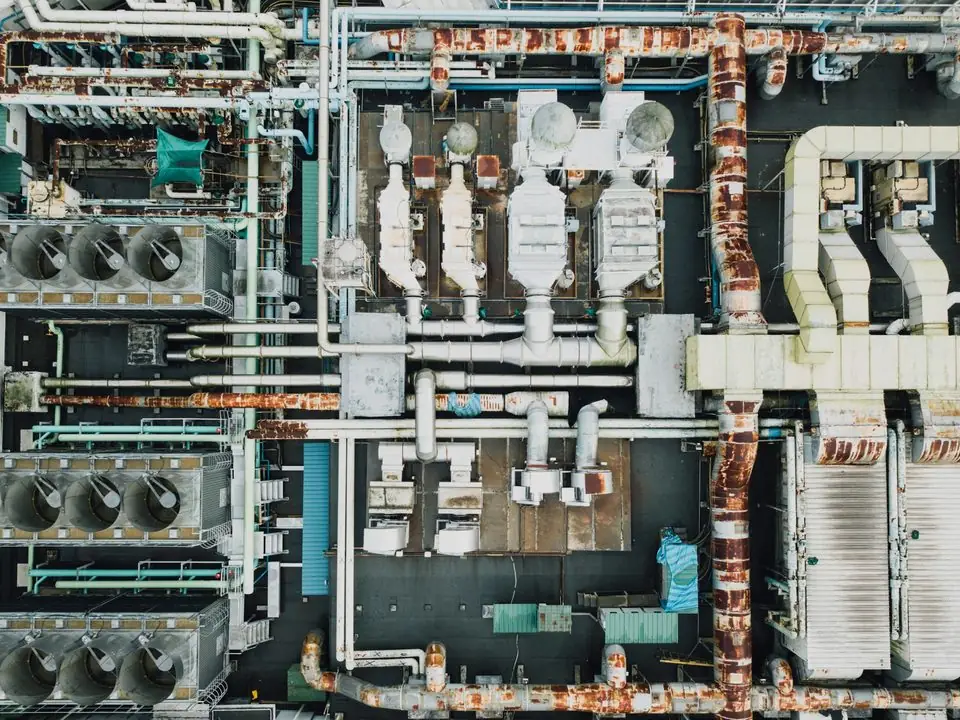
These issues sit between sales, engineering, costing and production, which is why a contact-only CRM does not fix them.
Drawings and revised specifications arrive by email in several versions. Quotes are sometimes priced on an outdated revision, and the error appears only at production.
Raw material prices for resin, steel, aluminum or packaging change monthly, but costing spreadsheets are updated irregularly. Margins erode without anyone noticing until the year-end review.
Customers ask where their samples are. Sales has to walk to the lab or the production floor to find out, and approvals are recorded on email if at all.
Salespeople commit lead times without checking machine capacity or raw material availability, which creates rush orders, overtime and late deliveries.
Sales through GCC distributors and export agents are recorded only as invoices. There is no view of their pipeline, stock or end customers.
Annual contracts with agreed prices and volumes are not monitored, so the company misses price review dates and volume shortfalls.
Engineering, costing and quality each have a step, so the deal moves without chasing people for updates.
One shared database: every step updates stock, finance and reports in real time.
These work best when CRM shares items, BOMs and costs with the manufacturing ERP.
RFQ details, drawings, material grades, tolerances and packaging requirements stored with revision numbers on the opportunity.
Feasibility and tooling questions assigned to engineering with due dates, and their answers recorded on the deal.
Quote prices built from current BOM material costs, conversion cost and target margin, with approval when margin falls below the floor.
Sample requests with quantity, dispatch date, courier reference and customer feedback, linked to quality results.
Sales sees material availability and planned load before promising a date, or requests a date from planning.
Agreed prices, annual volumes, validity and review dates per customer, with alerts when call-offs lag behind the forecast.
Distributors and dealers as accounts with territories, targets, price levels and reported pipeline.
Customer complaints logged against the account and batch, feeding quality investigations and account reviews.
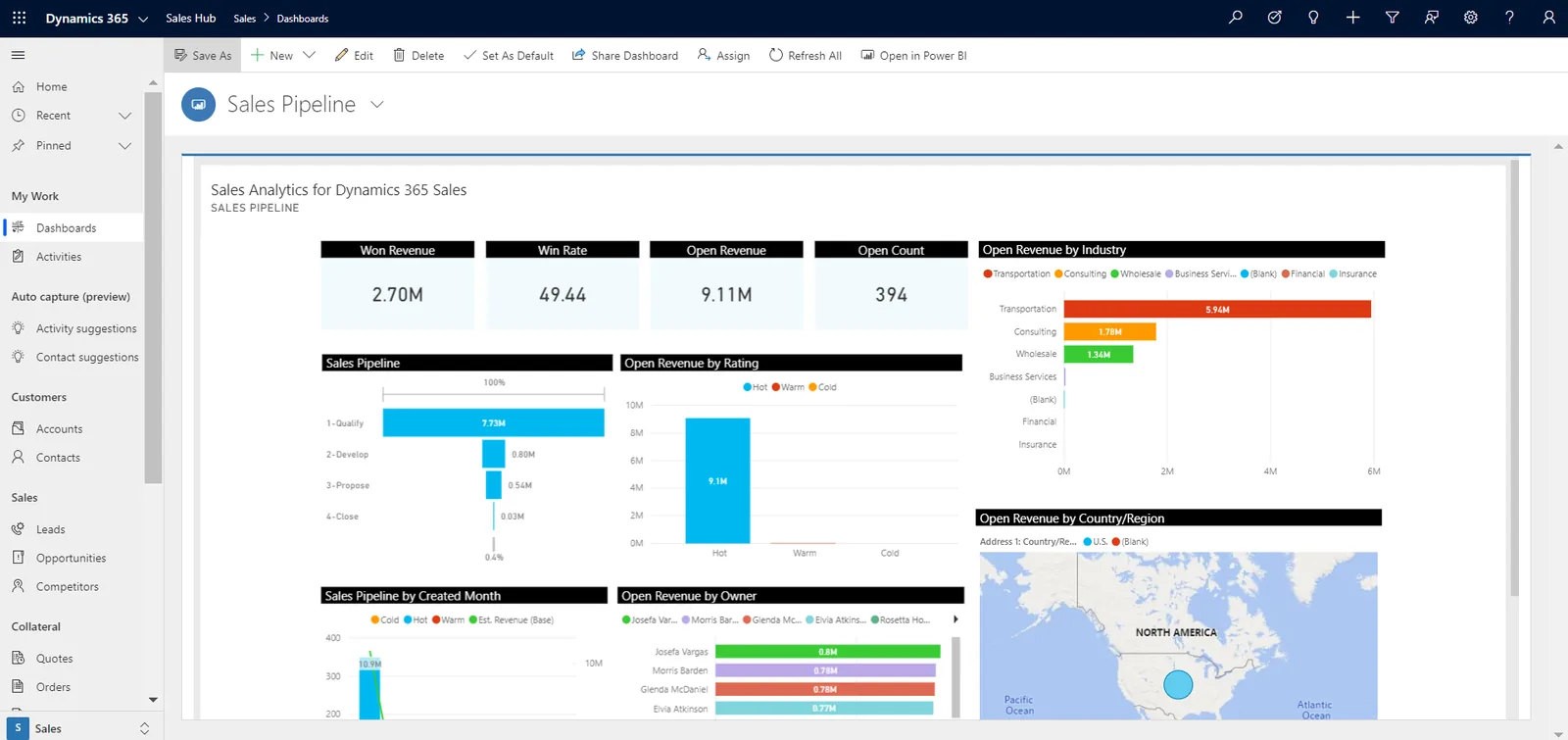
Built for the weekly meeting between sales, planning and the plant manager.
The key difference is how close CRM sits to BOMs, costing and capacity. Confirm features against your edition.
| Zoho | Odoo | ERPNext | Dynamics 365 | |
|---|---|---|---|---|
| CRM to production link | Zoho CRM with Zoho Inventory; production needs custom apps or a partner solution | CRM, Sales and Manufacturing apps share products and BOMs | CRM, Selling and Manufacturing in one system | Dynamics 365 Sales with Business Central manufacturing or Supply Chain Management |
| Cost-based quoting | Custom calculations in CRM or Creator | BOM cost and product cost available to sales; configurators via apps | BOM cost and valuation rate visible to selling | Standard cost and BOM in the ERP; quote via integration |
| Sample tracking | Custom module with Blueprint | Custom stage or Quality app link | Custom DocType or quality inspection link | Custom table with Power Automate |
| Delivery promise | Manual or via custom integration | Forecasted quantity and lead times on quotes | Projected quantity and production plan | Available-to-promise and capable-to-promise in the ERP |
| Best fit | Light assembly or packaging firms wanting fast CRM | SMEs wanting CRM and MRP in one database | Cost-sensitive plants with a technical partner | Larger multi-site manufacturers |
Each link removes a manual check that delays a quote.
These touch quotes, orders and customer data. Confirm tax treatment with your advisor.
Local supplies are standard rated at 5%, and exports of goods outside the UAE can qualify for zero rating with proper export evidence. Set tax codes on customer and delivery types so quotes and invoices stay consistent.
Plants in or selling to designated zones such as KIZAD or Jebel Ali Free Zone may face specific VAT rules on goods movement. Capture customer location type at account creation.
Some products need conformity marking or certification before sale in the UAE. Record certificate references on the product or opportunity so sales does not quote items that are not yet approved.
Tax invoices will move through Accredited Service Providers from 2027 based on revenue thresholds. Clean customer TRNs and addresses in CRM support that; check the latest MoF and FTA guidance.
General information, not tax or legal advice. Rules change; confirm current FTA, MOHRE and Ministry of Finance guidance with your advisor.
Typical improvements once RFQs, costing and samples are in one flow. No promised percentages.
Prices reflect this month's material costs, with approval when margin drops below target.
Sales checks material and capacity before committing, reducing rush orders.
Everyone sees sample status and the next action, so trials do not stall.
Export and GCC distributor activity is tracked, not just their invoices.
Indicative ranges; the costing and production integration drives most of the variation.
Durations are typical ranges; your plan is agreed after discovery.
Walk through the RFQ, costing, sample and order process with sales, engineering, planning and quality.
RFQ stages, engineering tasks, sample tracking, framework agreements and approval rules.
Connect BOM costs and stock or configure the shared modules; see Odoo Manufacturing or ERPNext Manufacturing for the production side.
Import customers, distributors, open RFQs and active agreements.
Train sales and support teams, then review RFQ cycle times in weekly meetings.
We configure the system for the rules UAE businesses report against, and test it before go-live.
General information, not tax or legal advice. Confirm current requirements with the FTA, MOHRE or your advisor. See all UAE compliance guides.
On-site workshops in Dubai, Abu Dhabi and Sharjah, and remote or on-site delivery across the Northern Emirates and free zones.
Official sources and references
Facts on this page were checked against these sources in October 2026. Rules change, so confirm current requirements before acting.
Still have a question? Our consultants are happy to help.
Ask an ExpertIf the ERP's sales module covers RFQs, samples and agreements well, that may be enough. Many plants find the ERP handles orders but not the pre-order work with engineering and customer quality teams, which is where a CRM layer adds value.
Yes. The quote can calculate the price from cost and target margin in the background, showing sales only the selling price and a warning when it falls below the floor. Managers see the full breakdown.
Each RFQ stores the specification and revision, and the quote is costed from a draft BOM. When the order is won, the BOM becomes the production BOM. Our page on ERP for make-to-order manufacturing covers the production side.
Plants wanting CRM and MRP in one system often choose Odoo for manufacturing or ERPNext. Companies already on Zoho can extend Zoho CRM with custom apps. We implement all of them and recommend by your production model.
Yes, through a partner portal or a shared form, depending on the platform. Distributors update opportunities and stock, giving you visibility of end-customer demand in their territories.
It helps. Complaints linked to accounts and batches show which customers are at risk and feed quality investigations, so account managers know before a renewal conversation.
Related Solutions
Related Industries
Related ERP Platforms
We will map your RFQ-to-order process and show how CRM links to costing and production.
Dubai, United Arab Emirates