L
O
A
D
I
N
G
Zoho, Odoo, ERPNext, Dynamics 365 and custom ERP, delivered by one accountable team.

Modules are the building blocks of an ERP. This explainer covers what each one handles, how they pass data between them, and what they are called on the main platforms.
ERP modules are functional areas, such as finance, sales, purchasing, inventory, HR and payroll, and CRM, that each own their own documents and reports but share one database. Specialist modules like projects, point of sale and manufacturing are added when the process is core to how a UAE business earns money. Finance belongs in phase one because every other module posts to it.
An ERP module is a functional area of the system, such as accounting, inventory or payroll, with its own screens, documents and reports but sharing one database with every other module. Having ERP modules explained properly matters because module choices drive scope, licensing and project length. Buy too few and teams keep spreadsheets alongside the ERP; buy too many at once and the go-live becomes unmanageable.
The modules are not islands. Sales creates demand that inventory must fulfil; inventory triggers purchasing; purchasing creates payables for finance; HR feeds payroll costs into the ledger. In a UAE context, finance also has to carry VAT codes, corporate tax records and soon e-invoicing data, which means every other module must capture the right fields at source.
This page explains what each module does and how it hands data on. For our service view of module rollouts, see ERP modules we implement; for the mechanics of postings between modules, see how ERP works.
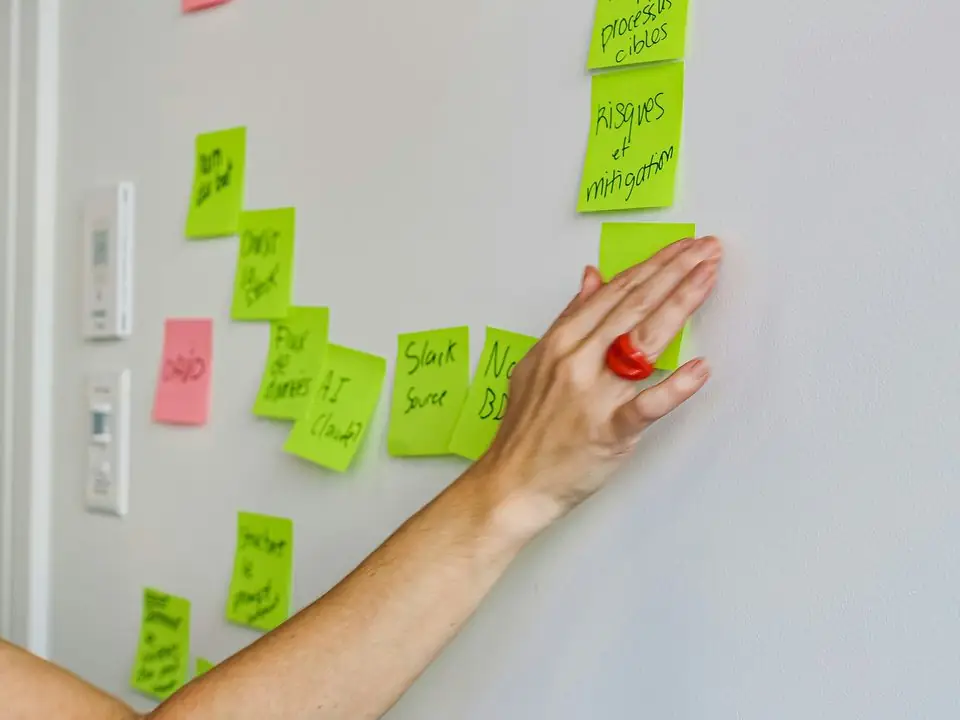
Nearly every ERP project in the UAE includes some combination of these. Each paragraph names the documents the module owns and what it hands to the next one.
Chart of accounts, journals, AR, AP, bank reconciliation, fixed assets, budgets, VAT returns and financial statements. It receives postings from every other module and is where VAT and corporate tax records come together.
Leads, opportunities, quotations, sales orders, price lists and discounts. It passes confirmed orders to inventory for delivery and to finance for invoicing. A full CRM is covered in CRM software.
Purchase requisitions, RFQs, supplier comparison, POs and supplier bills with matching. It sends expected receipts to the warehouse and approved bills to AP. See procurement software.
Items, warehouses, bin locations, GRNs, delivery notes, transfers, batches, serials, expiry and stock valuation. Every movement also updates inventory value in the ledger.
Bills of materials, routings, work orders, material consumption, WIP and production costing. Needed if you make, assemble or kit products; our MRP software page goes deeper.
Employee records, documents and visa expiry dates, leave, attendance, payroll, WPS SIF files and gratuity accruals. Payroll posts salary cost to the ledger by department or project.
These modules matter for particular industries or business models. Add them when the process is core to how you earn money, not just because they are available.
Budgets, tasks, timesheets, project purchases and progress billing for contractors, consultancies and fit-out firms.
Store and restaurant checkout linked to stock and accounting, with cash-up and card reconciliation.
Online store or marketplace orders flowing into sales and inventory without re-keying.
Preventive maintenance schedules, breakdown work orders, spare parts and asset depreciation.
Inspection plans at receipt and production, non-conformance records and batch holds.
Technician scheduling, mobile job sheets, parts used and customer sign-off for service companies.
Tickets and SLAs linked to customer, contract and invoice history.
Central storage for contracts, trade licenses and supplier documents, with approval flows and expiry alerts.
Names differ, which confuses comparisons. This table maps the module areas to the usual product or app names. Availability varies by edition and changes over time, so confirm for your edition.
| Module area | Zoho | Odoo | ERPNext | Dynamics 365 |
|---|---|---|---|---|
| Finance | Zoho Books | Accounting (Invoicing in Community) | Accounts | Business Central finance; Dynamics 365 Finance for larger groups |
| Sales and CRM | Zoho CRM, Bigin | CRM and Sales apps | CRM and Selling | Dynamics 365 Sales; sales orders in Business Central |
| Purchasing | Purchase orders and bills in Zoho Books / Inventory | Purchase app | Buying | Purchasing in Business Central; procurement in Supply Chain Management |
| Inventory | Zoho Inventory | Inventory app (with barcode) | Stock | Inventory and warehousing in Business Central or Supply Chain Management |
| Manufacturing | Basic assemblies; deeper needs often via Zoho Creator | Manufacturing (MRP) app | Manufacturing | Business Central manufacturing; Supply Chain Management for complex production |
| HR and payroll | Zoho People, Zoho Payroll (check UAE availability) | Employees, Time Off, Payroll | Frappe HR (HRMS) | Human resources capabilities; UAE payroll typically through a partner solution |
| Projects | Zoho Projects | Project and Timesheets | Projects | Project Operations; jobs in Business Central |
| Service and helpdesk | Zoho Desk, Zoho FSM | Helpdesk, Field Service | Support / Helpdesk app | Customer Service, Field Service |
Indicative only. Product names, packaging and features change; check the vendor's current documentation.
Practical takeaways from module scoping workshops with UAE SMEs and mid-size firms.
We configure the system for the rules UAE businesses report against, and test it before go-live.
General information, not tax or legal advice. Confirm current requirements with the FTA, MOHRE or your advisor. See all UAE compliance guides.
On-site workshops in Dubai, Abu Dhabi and Sharjah, and remote or on-site delivery across the Northern Emirates and free zones.
Official sources and references
Facts on this page were checked against these sources in October 2026. Rules change, so confirm current requirements before acting.
For most small trading or service companies: finance, sales, purchasing and, if you hold stock, inventory. CRM and payroll often follow in a second phase. The exact set depends on where the most manual effort sits today.
Often yes. Odoo is sold by app or user depending on the plan, Zoho apps can be bought individually or as Zoho One, ERPNext modules are part of the open-source product, and Dynamics 365 is licensed by application and user type. Check current licensing terms.
They can, through integrations, but you lose some of the single-database benefit. Mixing is common for specialist needs such as a dedicated warehouse system or payroll provider.
Both exist. Many ERPs include a CRM module, while stand-alone CRMs integrate with ERP. Our page on ERP vs CRM explains when each approach makes sense.
As few as needed to run an end-to-end process without spreadsheets. For a trader that usually means finance, sales, purchasing and inventory together. Adding everything at once raises risk.
No. Most modules work well with configuration alone. Customize only where a process gives you a competitive edge or a compliance need cannot be met by standard settings.
Related Solutions
Related Industries
Related ERP Platforms
We can map your processes to modules and suggest a phased scope that fits your team and budget.
Dubai, United Arab Emirates