L
O
A
D
I
N
G


Zoho, Odoo, ERPNext, Dynamics 365 and custom ERP, delivered by one accountable team.

Connect the demand plan, supplier commitments, containers on the water and stock in every warehouse, so decisions are made on one set of numbers.
Supply chain managers in the UAE need an ERP that links demand planning, supplier lead times and scorecards, inbound shipment and clearance tracking, landed cost allocation, multi-warehouse stock positioning across free zone and mainland sites, and service level tracking. One set of numbers answers whether stock will cover Ramadan or summer peaks, which supplier is late and when containers will be received.
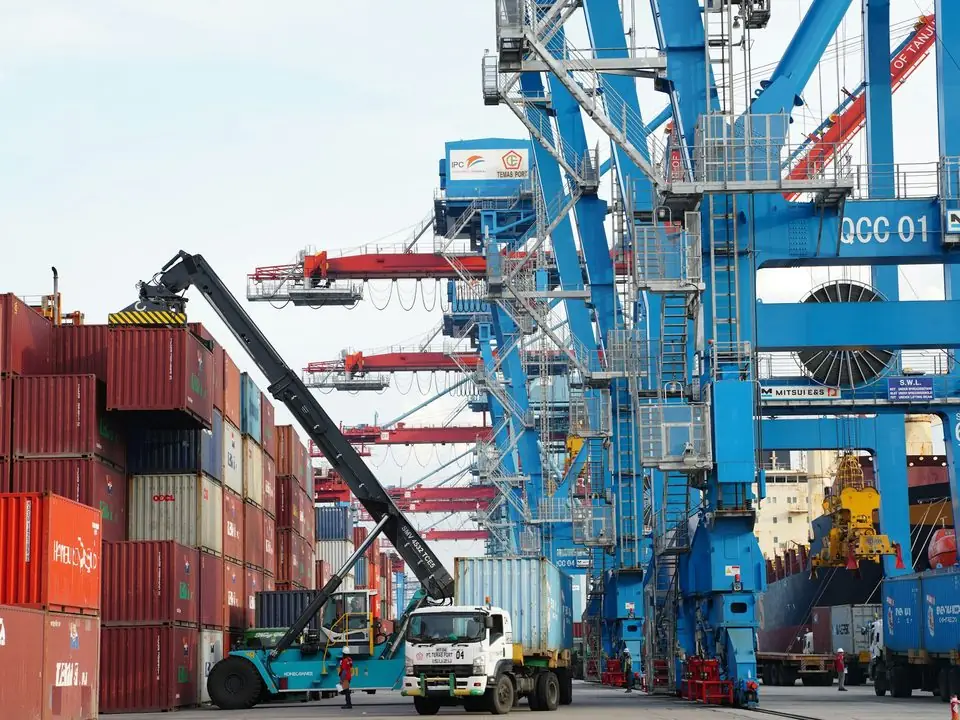
ERP for supply chain managers in the UAE has to cover a longer chain than most markets. A distributor or manufacturer here typically imports from China, India, Europe or the US, clears goods through Jebel Ali, Khalifa Port or Dubai airport, holds stock in a free zone and a mainland warehouse, and then sells across the GCC. The supply chain manager sits across all of it: the demand plan, supplier performance, inbound shipments, stock positioning and service level to customers.
The working week is spent answering the same questions in different forms. Will we have enough for Ramadan or the summer peak? Which supplier is late again? When will the containers on that vessel be cleared and received? Why is one warehouse out of stock while another holds three months' cover? Without an ERP, answers come from buyers' email threads, forwarder spreadsheets and a stock report that is a day old.
This page is written for that role. It is different from the procurement manager who runs buying and approvals, the warehouse manager who runs receiving and picking, and the inventory manager who owns stock accuracy. The supply chain manager connects their work into one plan.
These are the problems that keep a supply chain manager reactive instead of planning ahead.
The demand forecast is a spreadsheet updated once a quarter by sales. It ignores seasonality around Ramadan, Eid and summer, and it never reaches the reorder points buyers actually use.
Supplier lead times in the item master were entered years ago. Real lead times, including sailing, customs clearance and port congestion, are much longer, so safety stock is always wrong.
Shipment status sits with the freight forwarder. The team learns about delays when a customer complains, and nobody can tell sales what is arriving next week.
One warehouse is overstocked while another is short, so the business places a new import order instead of a transfer. Free zone and mainland stock is often tracked in separate files.
Freight, insurance, duty and clearing charges arrive on separate invoices weeks after the goods. Margins are calculated on supplier price only, which hides the true cost of a product.
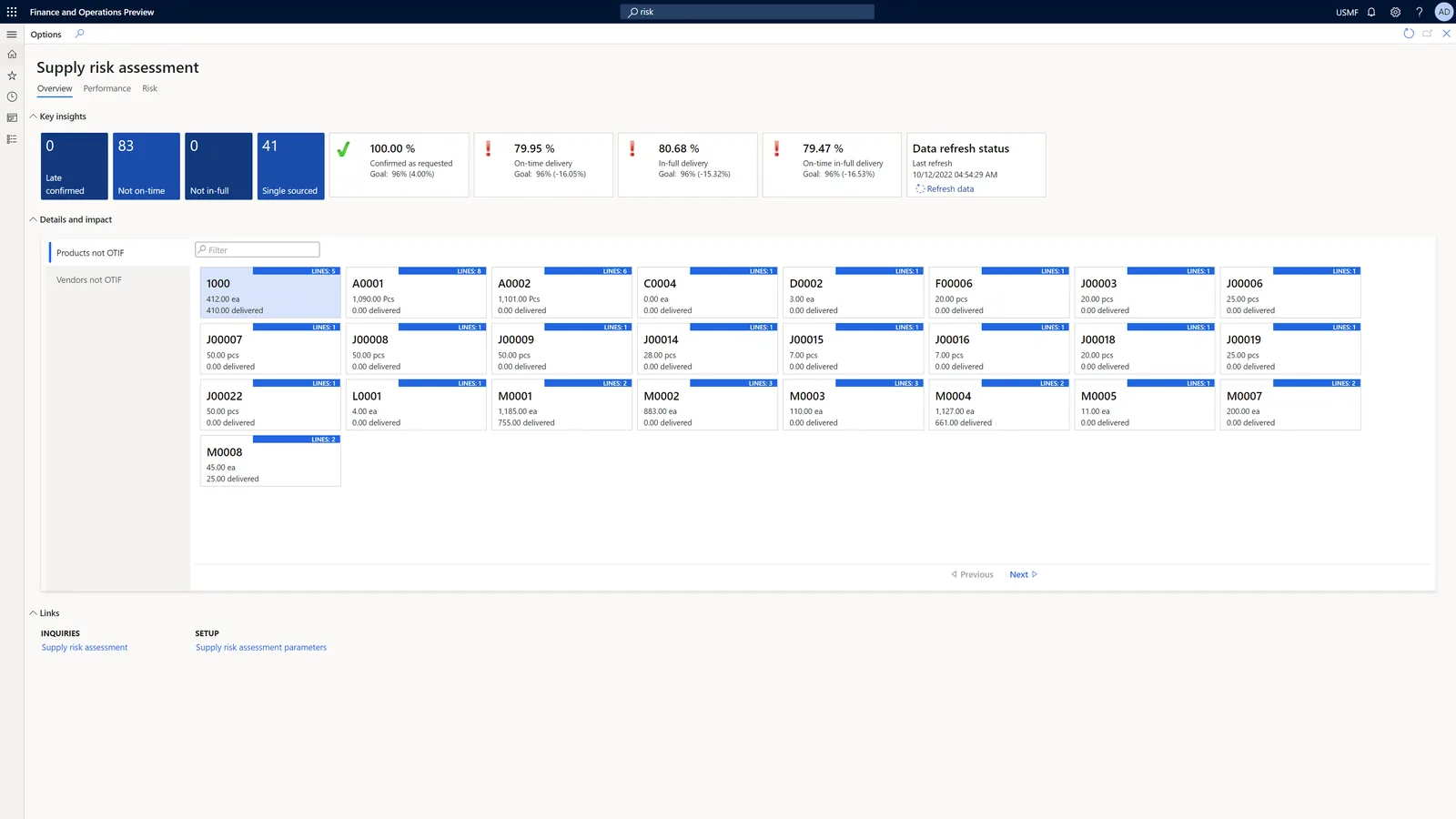
A planning and execution view that combines sales, purchasing, shipments and stock in one place.
Each turns a recurring manual analysis into a screen the team can trust.
Forecasts by item and location from sales history, adjusted for seasonality and promotions, that drive reorder points. See ERP for demand planning for the method.
Actual lead time and on-time rate calculated from PO date to GRN date, per supplier, so safety stock reflects reality.
Purchase orders grouped into shipments with container, BL, vessel, ETA and clearance status, updated by the team or the forwarder.
Freight, insurance, duty and clearing charges allocated to received items by value, weight or quantity. More on this in landed cost software.
Stock and cover per warehouse, with transfer suggestions between free zone and mainland sites before a new order is placed.
OTIF, fill rate and backorders by customer and channel, linked back to the shortage that caused each miss.
A simple S&OP-style loop that the ERP supports with live data at each step.
One shared database: every step updates stock, finance and reports in real time.
We implement all four platforms and recommend by the complexity of your network, not by brand.
| Zoho | Odoo | ERPNext | Dynamics 365 | |
|---|---|---|---|---|
| Replenishment | Reorder points and multi-warehouse in Zoho Inventory | Replenishment report with min/max and forecasted quantities | Reorder levels per warehouse with auto material requests | Master planning and demand forecasting in Supply Chain Management |
| Inbound shipments | Purchase receives; shipment tracking usually via Zoho Creator or custom fields | Receipts, dropship and multi-step routes; container tracking typically custom | Purchase Receipt; shipment tracking via custom doctype | Inbound loads and transportation management in SCM |
| Landed cost | Landed cost allocation in recent Zoho Inventory editions; confirm for yours | Landed Costs in Inventory valuation (Enterprise) | Landed Cost Voucher | Landed cost module in SCM |
| Supplier performance | Reports from bills and receives | Purchase analysis with on-time delivery reporting | Supplier Scorecard | Vendor performance and collaboration |
| Best fit | Trading SMEs with simple import flows | Distributors and manufacturers wanting one integrated suite | Cost-conscious importers comfortable with configuration | Multi-entity, multi-country supply chains |
Confirm features for your edition. For enterprise planning depth, read Dynamics 365 Supply Chain in the UAE.
These shape how imports and stock moves are set up in the ERP. Confirm the treatment with your tax advisor and customs broker.
Each import has a customs declaration with HS codes and duty paid. Storing the declaration number and duty amount on the shipment links customs data to stock and landed cost.
VAT-registered importers generally account for import VAT under the reverse charge in their VAT return. The ERP should capture the declaration data needed for that return.
Moving goods between a designated free zone warehouse and the mainland can change VAT treatment. Separate warehouses per zone keep these movements visible.
Purchase, customs and stock records should be kept for at least 5 years. Attach BLs, invoices and declarations to the shipment record rather than shared folders.
General information, not tax or legal advice. Rules change; confirm current FTA, MOHRE and Ministry of Finance guidance with your advisor.
We configure the system for the rules UAE businesses report against, and test it before go-live.
General information, not tax or legal advice. Confirm current requirements with the FTA, MOHRE or your advisor. See all UAE compliance guides.
On-site workshops in Dubai, Abu Dhabi and Sharjah, and remote or on-site delivery across the Northern Emirates and free zones.
Official sources and references
Facts on this page were checked against these sources in October 2026. Rules change, so confirm current requirements before acting.
Still have a question? Our consultants are happy to help.
Ask an ExpertFor most UAE SMEs and mid-size distributors, ERP replenishment with good forecasts and real lead times is enough. Specialist planning tools make sense for very large SKU counts or multi-echelon networks, and they still need the ERP as the source of stock and orders.
Yes, through a supplier portal, an email-to-record rule or an API if the forwarder offers one. Many teams start with manual updates by a logistics coordinator and automate later.
Set the planning logic to check stock in other warehouses before suggesting a new purchase. Transfers then appear as suggestions alongside purchase proposals, and the planner chooses.
Supply chain looks across suppliers, shipments and stock positions; operations runs day-to-day execution across departments. See ERP for operations managers for that view.
In a manufacturing business, yes: the supply plan feeds the MRP, which plans work orders and raw materials. The plant view is covered in ERP for manufacturing managers.
Inventory, purchasing and multi-warehouse setup often takes 2-4 months. Demand planning and shipment tracking usually follow once a few months of clean transaction history exist.
Related Solutions
Related Industries
Related ERP Platforms
Related Guides
Walk us through your suppliers, ports and warehouses, and we will map the planning view your team needs on the right platform.
Dubai, United Arab Emirates